You notice it during a nappy change or a sleepy bedtime feed. A tiny white edge has appeared on your baby's gum. It's exciting, a little surprising, and it often brings the same next thought. Do I need to find a dentist already?
That's usually when parents type “infant dentist near me” and start scrolling through maps, clinic names, and opening hours. If you're in Dulwich Hill, Marrickville, Petersham, Lewisham, Summer Hill, or nearby, you're probably not looking for a directory. You're looking for reassurance. You want to know when to go, what happens, whether your baby is too young, and how to make the whole thing feel calm.
Your Baby's First Tooth and Your First Question
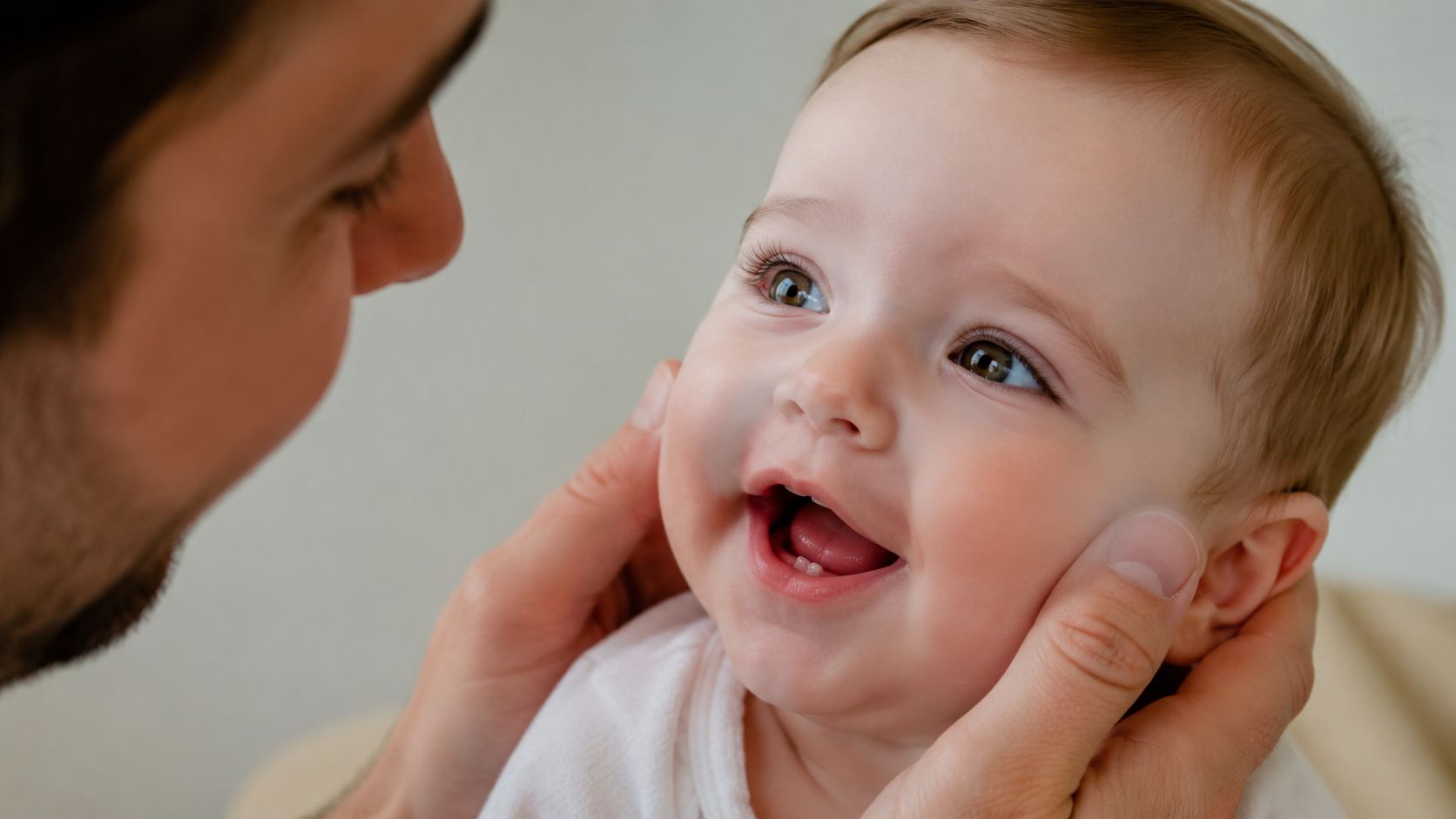
A first tooth can arrive with very little fanfare. One day your baby is dribbling more than usual, chewing on everything, and waking unsettled. The next day, there it is. Then the questions begin.
Should you brush it now? Is teething causing all this fussiness? Do babies really need a dentist before they can even talk?
Many parents are unsure about timing. The Australian Dental Association recommends a first dental visit by 12 months of age, yet the Australian Institute of Health and Welfare reports that a low percentage of young children access preventive dental care, suggesting many parents are still unsure when to start, as noted in this guidance on first visits for children.
If you're also trying to work out whether that first tooth is early, late, or right on time, a simple baby teething timeline can help you place what you're seeing in context.
What parents often worry about
- “My baby only has one tooth”. That's often exactly when families should start thinking about a first visit.
- “There's no problem yet”. That's a good time to go, because infant dental care is mainly about prevention.
- “I don't want to overreact”. Booking an early check isn't overreacting. It's getting clear advice before small concerns become bigger ones.
Practical rule: If your baby has a tooth, or is approaching their first birthday, it's reasonable to look for a dental home now rather than waiting for pain or visible decay.
For Inner West parents, that early visit isn't about putting your child through something medical and stressful. It's usually a short, gentle appointment centred on questions, habits, and making sure everything is developing as expected.
Why Early Dental Visits Matter for Your Infant
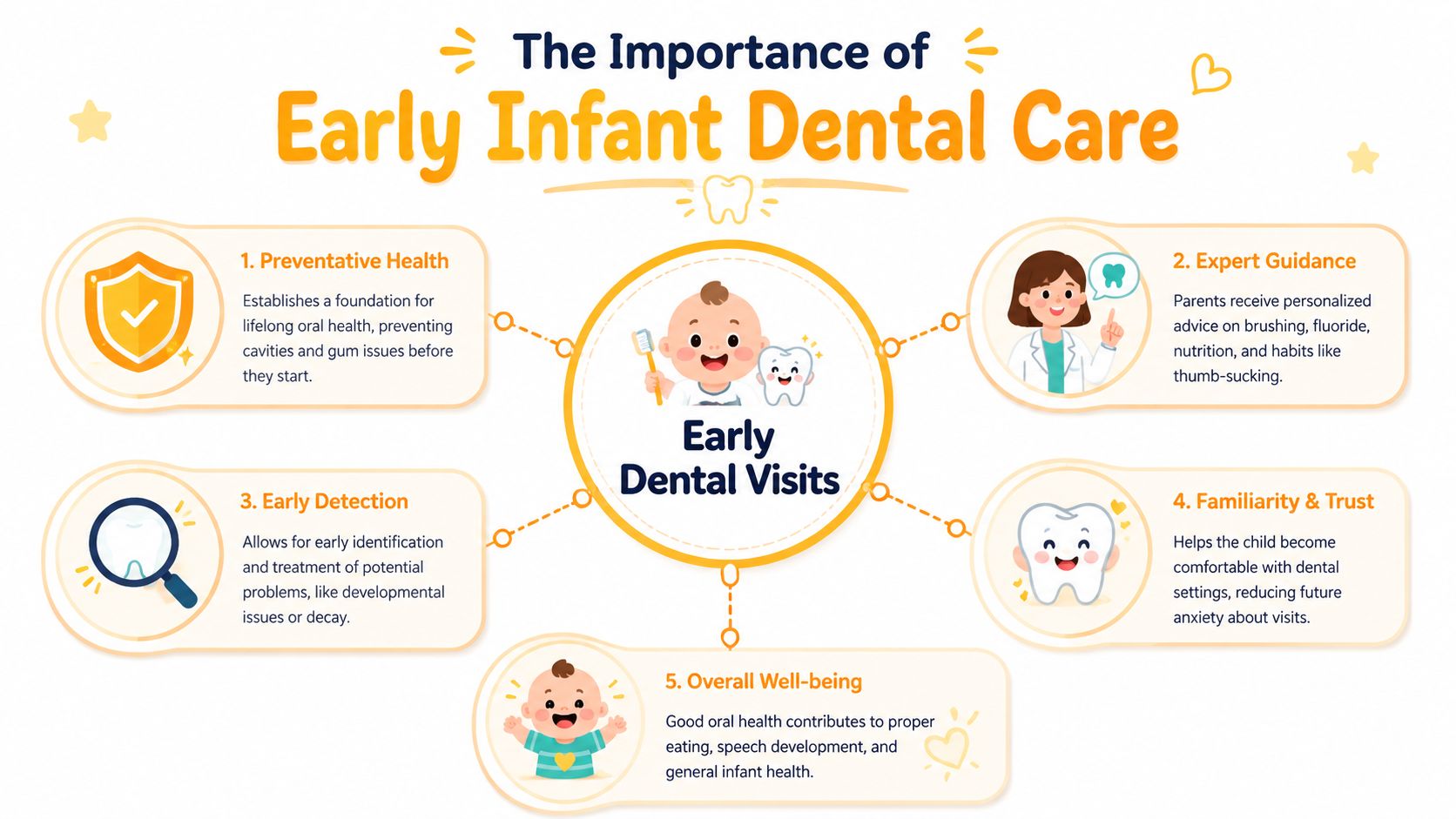
A baby's first dental appointment works a bit like setting a health baseline. Your dentist looks at what's normal for your child now, so future changes are easier to spot early.
In Australia, public health services recommend a baby's first dental visit by 12 months of age because the first year is a critical window to detect feeding-related risks and enamel defects before they require significant treatment, according to this overview of infant oral health timing.
What a dentist is looking for early on
The first visit is rarely about drilling, fillings, or anything dramatic. It's usually about spotting patterns and guiding parents.
- Feeding habits: Frequent night feeding, prolonged bottle use, or sweetened drinks can raise decay risk.
- Early enamel concerns: Some babies show weak spots, rough enamel, or marks that need monitoring.
- Cleaning technique: Parents often need practical help with brushing a moving, wriggly baby.
- Oral habits: Thumb-sucking, dummy use, and mouth habits can be discussed without judgement.
- Eruption patterns: A dentist can check whether teeth seem to be coming through in a way that looks healthy and expected.
Why prevention works better than waiting
Once a baby's teeth are in the mouth, they can collect plaque just like adult teeth. That surprises many parents. A small area of early damage can be easy to miss at home because baby teeth are tiny, children don't usually explain discomfort clearly, and feeding patterns can hide the signs.
Early visits help parents make small changes at the easiest time to make them.
That might mean adjusting how the bottle is used, learning how much toothpaste to apply, or understanding when a mark on a tooth is something to watch. Those simple conversations often matter more than any treatment.
If you'd like a broader overview of children's oral health as your baby grows, this guide to paediatric dental care is a helpful next read.
The long-term benefit
An infant who starts dental visits early doesn't need to “perform” at the appointment. They just become familiar with the setting, the people, and the routine. That familiarity can make later check-ups feel much more ordinary.
What Happens at an Infant's First Dental Appointment
Most parents feel better once they can picture the visit. The unknown is often the stressful part.
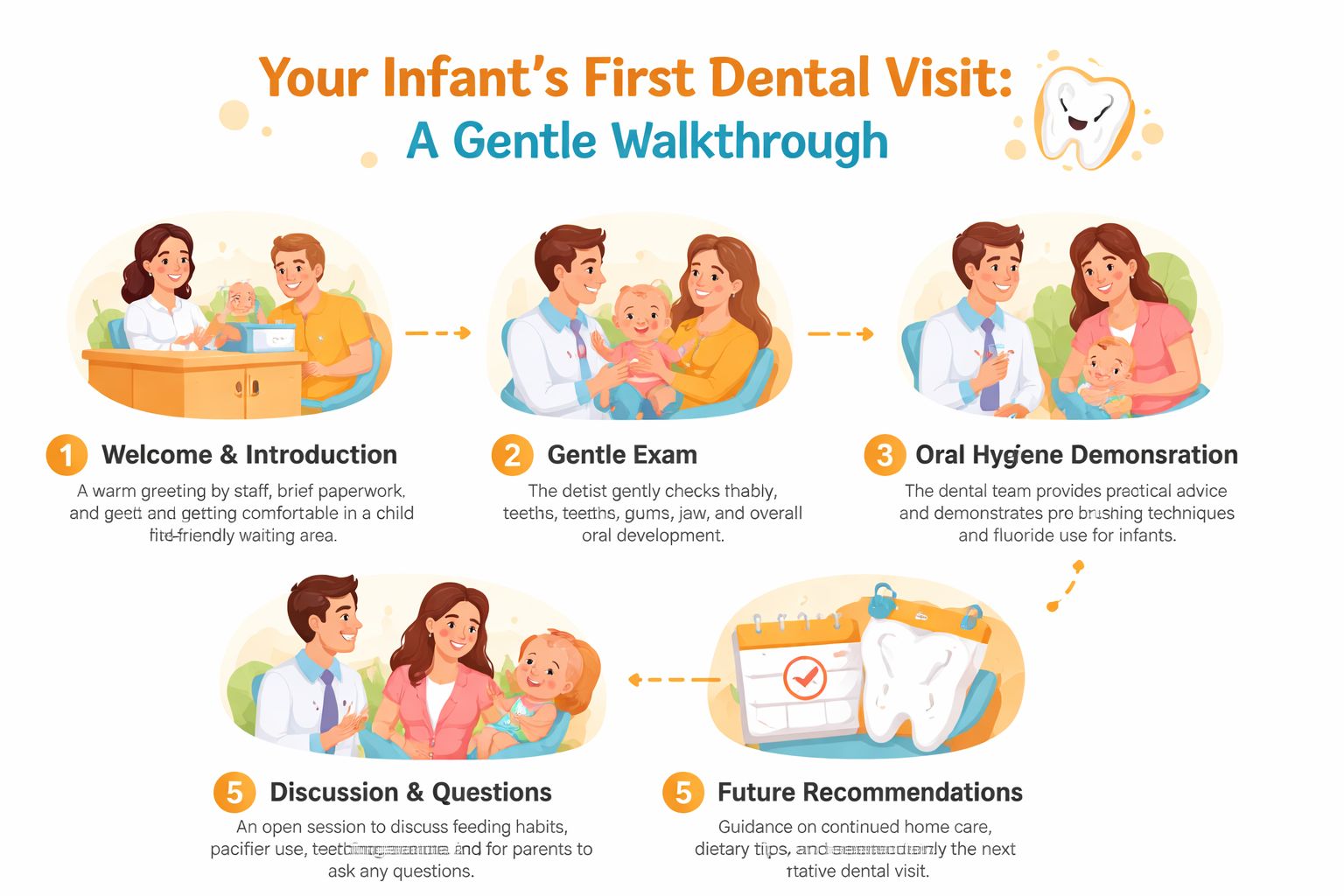
When you arrive, you'll usually spend more time talking than doing. For a baby, a first appointment is often brief and flexible. If your child needs a cuddle halfway through, that's normal. If they cry for a moment, that's normal too.
The lap-to-lap check
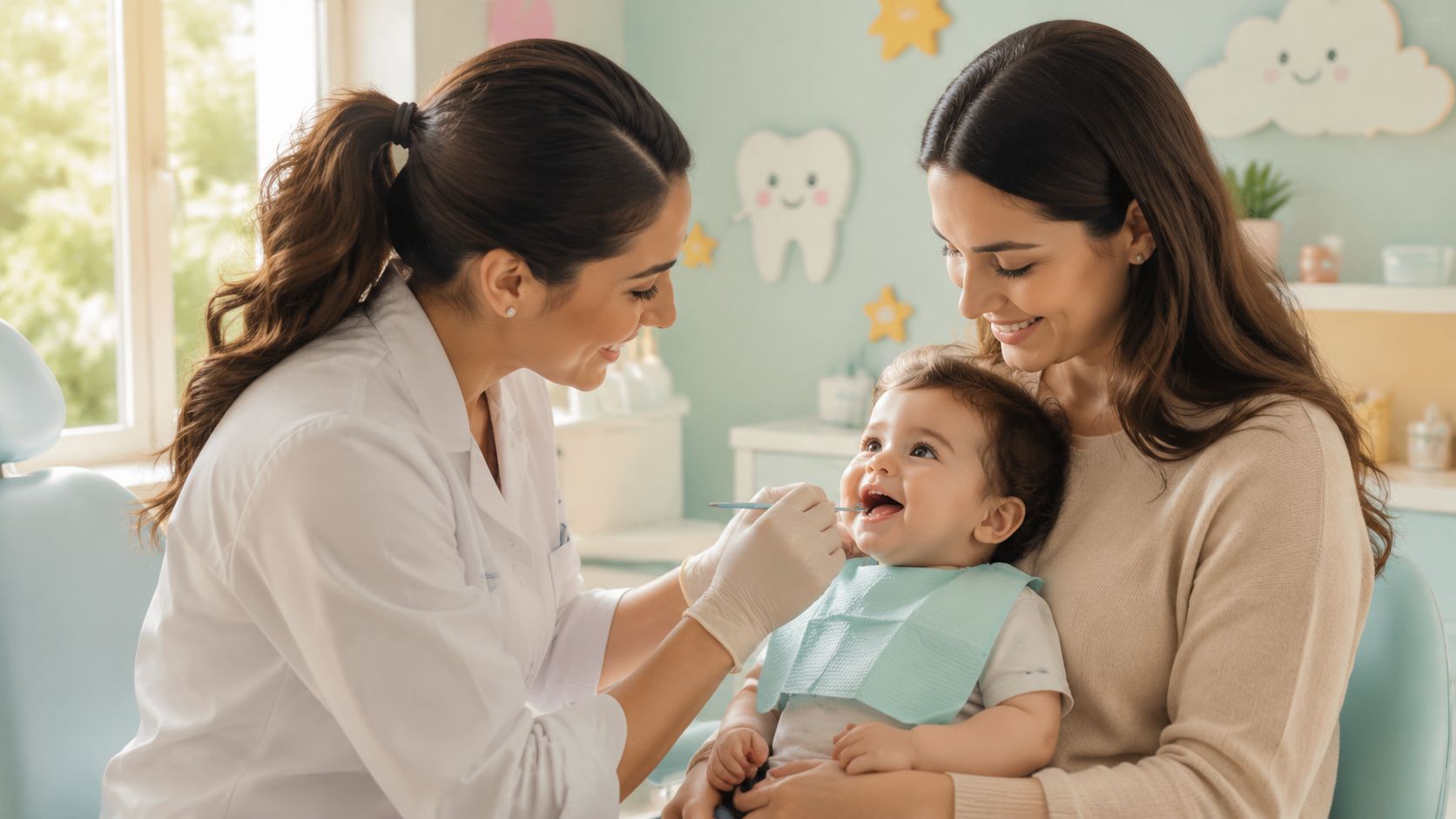
Many infant exams use a lap-to-lap position. You sit facing the dentist with your baby on your lap, then gently lower your baby so their head rests near the dentist while their body stays close to you. It sounds more awkward than it is. In practice, it's secure and comforting.
During that check, the dentist may look at:
- Teeth that have erupted
- Gums and soft tissues
- Tongue and lips
- Jaw development
- Any visible white, brown, or chalky areas
- Signs of rubbing, ulceration, or trauma
What parents are usually shown
A good infant visit is interactive. You're not expected to already know how to do everything perfectly.
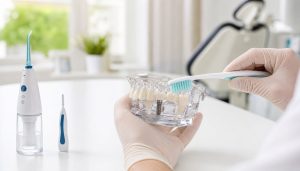
The dental team may demonstrate how to lift the lip gently to look at the front teeth, how to angle a baby toothbrush, and how to clean the gumline where plaque often sits. They may also ask about feeding to sleep, dummies, teething discomfort, and whether your child has had any bumps to the mouth.
For a simple overview of how preventive visits fit into regular care, you can also read about a dental check-up and clean.
Later in the visit, many parents find it helpful to watch a quick example of how baby oral checks are approached in a calm setting.
Some babies sit quietly. Some protest. A successful first visit isn't measured by silence. It's measured by a gentle exam, clear guidance, and a parent who leaves knowing what to do next.
What the appointment usually feels like
It often feels closer to a coaching session than a dental procedure. Parents leave with advice, reassurance, and a clearer sense of what's normal for their child.
Choosing the Right Infant Dentist in the Inner West
Typing “infant dentist near me” into a search bar gives you convenience. It doesn't always give you confidence.
Parents of infants often seek reassurance about access and continuity of care, looking for a paediatric-friendly clinic that can manage everything from routine reviews and teething guidance to potential developmental concerns. That need is often unmet by simple business listings, as described in this discussion of what parents actually look for.
What to look for beyond the map pin
A nearby clinic is helpful, but location alone doesn't tell you how the team works with babies.
Ask yourself:
- Does the clinic see babies under one? Some practices are very comfortable with infant visits. Others mostly see older children.
- Do they communicate clearly with parents? You want a dentist who explains things in plain language and welcomes questions.
- Is the atmosphere calm? For infants, a rushed or noisy environment can make a simple visit harder.
- Can the clinic follow your child over time? Continuity matters. It's easier when the same practice can monitor changes as your child grows.
- Do they handle anxious families kindly? Sometimes the nervous one is the parent, not the baby.
Helpful questions to ask when booking
| Question | Why it matters |
|---|---|
| Do you see infants for first dental visits? | Confirms the team is comfortable with very young children |
| What does the first appointment involve? | Helps you know what to expect |
| Can my baby stay with me the whole time? | Reassures you about comfort and positioning |
| Do you give feeding and brushing advice? | Shows the visit is preventive, not just observational |
| Do you offer ongoing family care? | Supports continuity as your child gets older |
If you also like checking how adults who work with children are screened in broader care settings, this explainer on understanding CRB and DBS checks gives a useful example of the kind of safeguarding mindset many parents value, even though dental practices follow their own professional and regulatory standards.
For a local perspective on what to compare when searching, this article on finding a paediatric dentist near me may help you refine your shortlist.
A Gentle Start at The Smile Spot in Dulwich Hill
For Inner West families who want a local option, Children's Dentistry in Dulwich Hill is one place to look when booking an infant's first check. The clinic provides family dental care in Dulwich Hill and sees children as part of ongoing preventive care, which can be useful if you'd prefer one practice for different stages of your child's development.
Dr. Dimitrios Thanos has led the practice as principal dentist since 1996, and the clinic serves families across Dulwich Hill, Marrickville, Earlwood, Ashfield, Summer Hill, Lewisham, Petersham, and Hurlstone Park. Practical details matter when you've got a baby, so late evening and Saturday hours, online booking, and acceptance of most private health funds can make appointments easier to organise.
Why continuity can make life simpler
A first infant visit is only one moment. What many parents want is a place they can return to for routine checks, cleaning advice, and later childhood care without having to start over with a new team each time.
That continuity can help with:
- Familiar faces: Children often settle better when the setting stays consistent.
- Better context: A dentist who saw the early eruption pattern can compare changes over time.
- Easier family logistics: Parents can often coordinate their own care and their child's care in one clinic.
Help with preventive access
The Australian Government's Child Dental Benefits Schedule provides up to approximately AUD $1,095 over two years for eligible children, highlighting the national focus on early preventive care, as noted in this summary of CDBS support.
That doesn't mean every infant will qualify, and eligibility should always be checked directly. It does mean early dental care in Australia is supported at a policy level, not treated as something to postpone until a problem appears.
A good first dental home should feel manageable for parents. Clear fees, practical booking options, and a team that's comfortable with children all make that easier.
How to Prepare for a Successful First Dental Visit
Parents often help the appointment go well before they even walk through the door. A little planning can change the whole feel of the visit.
Simple things that make a big difference
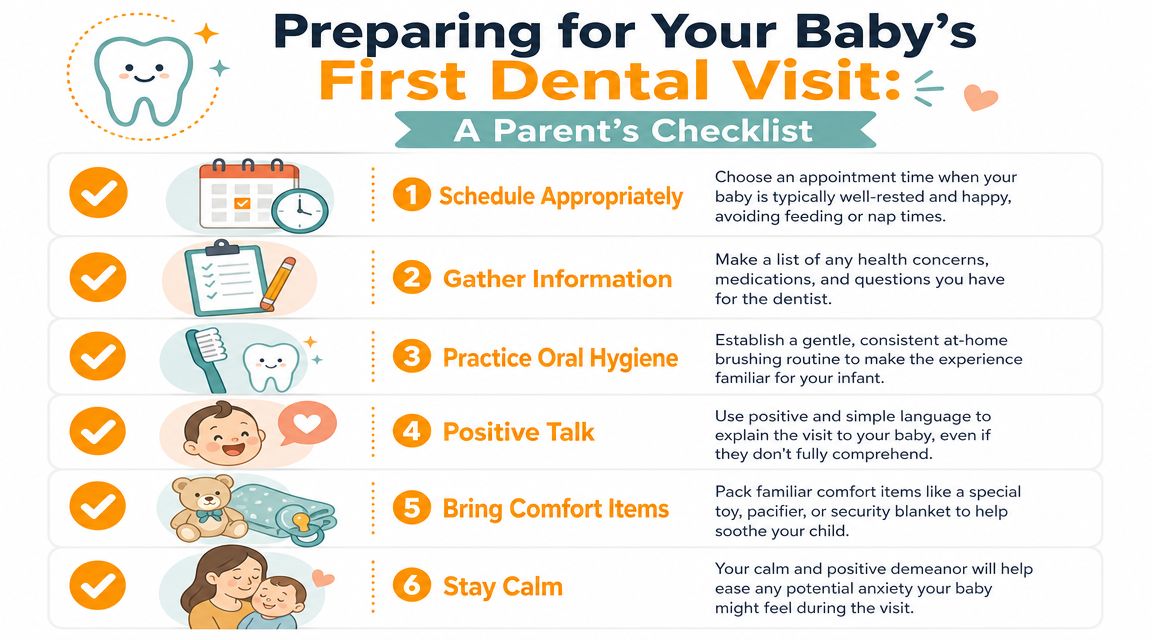
Choose a time when your baby is usually settled. For many families, that means after a nap and not right when a feed is due. An overtired, hungry baby has a much harder job.
Bring the basics you'd take anywhere with your baby, plus anything that helps you answer questions. That might include a dummy, comfort toy, spare nappy, feeding notes, or a list on your phone of anything you've noticed, such as white marks on a tooth or bleeding when brushing.
Your First Dental Visit Checklist
| Preparation Step | Why It Helps |
|---|---|
| Schedule during your baby's happier time of day | A rested baby is often easier to examine |
| Feed them beforehand, if timing allows | Hunger can make the visit harder |
| Pack a comfort item | Familiar objects can settle a baby quickly |
| Write down your questions | It's easy to forget them once you're in the room |
| Keep your language upbeat | Babies often respond to your tone and body language |
| Allow extra time getting there | Rushing raises stress for everyone |
A calm, reassuring approach at home can also help. You don't need to “prepare” a baby with lots of explanation. A warm tone is enough. If you're an anxious dental patient yourself, this guide to finding a gentle dentist near me may help you feel more settled before your child's appointment too.
What not to do
- Don't promise treats for coping. It can make the visit sound like something scary to get through.
- Don't use words like “hurt” or “needle” unless there's a real reason to discuss them. For a routine infant visit, those words usually aren't needed.
- Don't worry if your baby cries. Crying is communication, not failure.
Frequently Asked Questions About Infant Dental Care
Do I need a specialist paediatric dentist for my baby
Not always. Some general family dentists are very comfortable seeing infants and providing early preventive care. The important question is whether the clinic regularly sees babies, explains things clearly, and offers a gentle approach for young children.
What's the best way to clean my baby's first teeth
Use a soft baby toothbrush and a small smear of fluoride toothpaste, following the advice given by your dentist for your child's age and risk level. Brush gently along the gumline and front and back of the tooth. If your baby resists, that's common. Short, consistent attempts are usually better than trying to force a perfect clean.
When should I worry about teething
Mild fussiness, drooling, and chewing are common. If your baby seems very distressed, has feeding difficulty, or you notice swelling, unusual marks, or trauma in the mouth, it's worth getting advice. Teething can overlap with other issues, so it's reasonable to ask.
Is thumb-sucking always a problem
In infancy, it's usually something to monitor rather than panic about. Your dentist can tell you what looks age-appropriate and what might need watching as your child gets older.
What if my baby cries at the appointment
That's completely normal. Infants cry for all sorts of reasons, including tiredness, hunger, stranger awareness, or being asked to sit still. A first dental visit can still be successful even with a few tears.
If you're ready to book your baby's first check or want advice from a family dental clinic in the Inner West, The Smile Spot offers online booking and family-focused care in Dulwich Hill.