
Gum health plays an essential role in protecting teeth and maintaining a healthy smile. Gum surgery in Dulwich Hill may be recommended when gum disease, gum recession, or uneven gum tissue begins to affect oral health.
Dulwich Hill dentist treatment focuses on improving gum health while protecting the teeth and surrounding structures. Modern techniques allow gum procedures to be performed carefully and comfortably, supporting long-term oral health.
Gums provide support and protection for the teeth. When gum tissue becomes damaged or recedes, it can expose the tooth roots and increase the risk of sensitivity, infection, and further gum problems.
Dentists may recommend gum surgery for several reasons, including:
Patients experiencing these concerns can explore available treatments through a dental clinic serving Dulwich Hill.
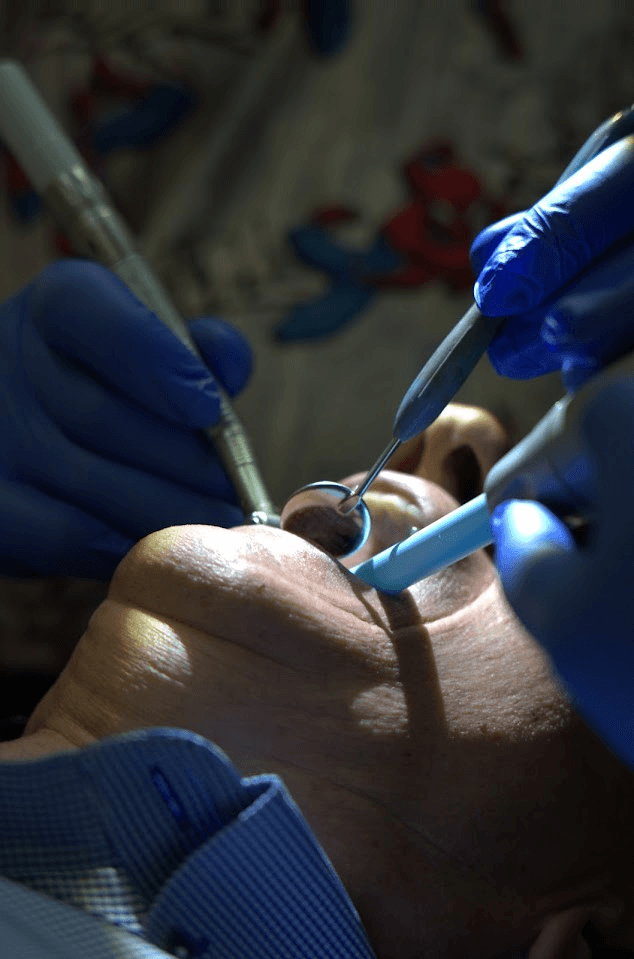
Different gum conditions require different types of treatment. Dentists assess the condition of the gums before recommending the most suitable procedure.
Some common procedures include:
These treatments help improve gum stability and protect the underlying tooth structure.
Gum surgery procedures are carefully planned to ensure effective treatment and patient comfort. The dentist usually uses a local anaesthetic to numb the area before the procedure begins.
During treatment, the dentist may:
Some patients worry about procedures that involve cutting the gum, but modern dental methods are designed to minimise discomfort and support proper healing.
You can view real treatment results through the before-and-after gallery.
Good oral hygiene is important after gum surgery to protect the results and prevent future gum problems. Dentists provide personalised advice to support healing and long-term gum health.
Patients are usually advised to:
If you are experiencing gum discomfort or would like to discuss treatment options, you can contact the dental team.
If you’re experiencing discomfort, bleeding gums, or have been advised to consider gum surgery, taking the next step early can help protect your smile long-term. Our team focuses on gentle, personalised care to ensure you feel informed and comfortable throughout your treatment.
Book a consultation today to discuss your options and get a tailored treatment plan designed for lasting results.
Gum surgery is a dental procedure used to treat gum disease, repair gum recession, or reshape gum tissue. These treatments help restore healthy gums and protect the teeth.
Gum surgery may be recommended when gum recession exposes tooth roots, when gum disease damages the tissue, or when gum shape affects the appearance of a smile.
Dentists evaluate the condition of the gums before recommending treatment.
Most gum surgery procedures are performed with a local anaesthetic to keep the patient comfortable. Some mild soreness may occur after treatment, but recovery is generally manageable.
Gum augmentation surgery is a procedure used to rebuild gum tissue that has receded. This helps protect tooth roots and improve the appearance of the gum line.
Recovery time varies depending on the procedure performed. Many patients return to normal activities within a few days, while complete healing may take several weeks.
Maintaining good oral hygiene and attending regular dental visits helps reduce the risk of gum disease returning. Dentists provide guidance to help patients maintain healthy gums.

The Smile Spot – Affordable Family Dentist, providing dental services at Dulwich Hill, Marrickville, Canterbury, Sydenham, Petersham, Lewisham, Summer Hill, Enmore, New Town, Earlwood, Wolli Creek, Bardwell Park, Arncliffe, Kogarah, Rockdale, Banksia, Bexley, Bexley North, Tempe, St. Peters, Erskineville, Sydney, Leichardt, Inner West.
Mon - Tue : 9 am -8 pm
Thu : 9 am -8 pm
Fri - Sat : 9 am -3 pm
Closed on Wednesdays and Sundays
Comprehensive Care Package includes examination, X-rays (as many as required), scale/clean and Fluoride treatment at $240 , For children under the age of 17 years $180.



