
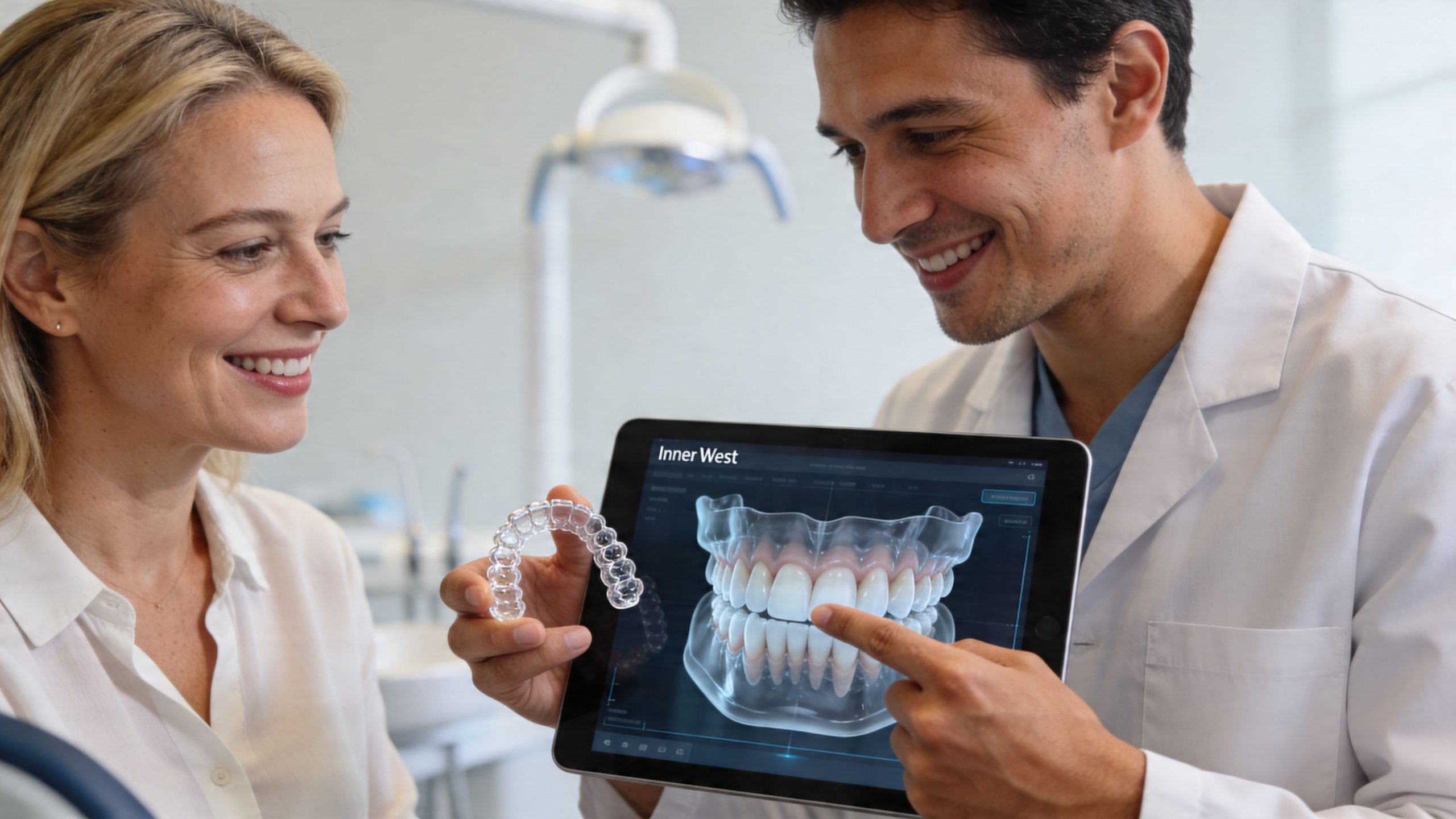
School drop-off is done, you are back in the car, and a quick search for one smile orthodontics turns into a bigger family question. Who can guide you from the first check to a straight, healthy smile without making the process feel confusing, expensive, or spread across several clinics?
For Inner West families, that question is practical, not cosmetic. A teenager may be asking about clear aligners before high school photos. A younger child may have crowding that your dentist has started to watch. An adult may have put this off for years because the options all seem hard to compare.
The clinic name One Smile Orthodontics may lead you to Annandale. At the same time, many local families are looking for something broader. They want one trusted place nearby, one clear plan, and one team that can explain each step in plain language. That is where a family-focused practice in Dulwich Hill can make the whole process feel easier to handle, especially if you are weighing both affordability and newer digital technology.
Orthodontic treatment works a bit like planning a home renovation. Before anyone starts, you want to know what needs fixing, how long it should take, what it may cost, and who will be coordinating the job. Teeth are no different. Clear answers early on help families avoid the feeling of being passed from one opinion to another with no real roadmap.
Cost is often one of the first concerns, and that is sensible. If payment options are already on your mind, this guide to dentists with payment plans near me can help you compare what affordable care may look like in a local setting.
A good start should leave you feeling informed, not rushed. That is the standard many families in the Inner West are searching for, whether they began with a search for One Smile Orthodontics in Annandale or are considering The Smile Spot in Dulwich Hill as their long-term partner for a complete smile transformation.
Starting Your Journey to a Straighter Smile in the Inner West

When people search for one smile orthodontics, they may be looking for a specific clinic name in Annandale. But the phrase also reflects something bigger. Most patients want one clear path, one trusted team, and one smile that feels healthy, straight, and natural.
That matters in the Inner West, where life is busy. Parents are juggling school pick-ups, work, sport, and weekend catch-ups. Adults are trying to fit appointments around commutes and meetings. Orthodontic treatment has to work in real life, not just on paper.
What patients usually worry about first
Some concerns come up almost every day:
- Will I need braces or aligners
- How long will it take
- Will it hurt
- Can I afford it
- Do I need a specialist orthodontist or can my regular dentist help
None of those questions are silly. In fact, they’re the right questions.
Many people don’t need more information. They need clearer information.
A good orthodontic journey should feel organised from the start. You should understand what’s happening, why it’s recommended, and what your alternatives are. If a plan sounds rushed or vague, it’s fair to pause and ask more.
Why adults are asking about orthodontics more often
Adults often assume teeth straightening is mainly for teenagers. It isn’t. Many people in their 20s, 30s, 40s and beyond start treatment because they’ve noticed crowding, bite problems, old relapse after childhood braces, or they want more confidence in photos and conversation.
In practical terms, modern orthodontics is easier to fit into adult life than many people expect. Clear aligners, digital scans, and more efficient follow-up visits have changed the experience. That doesn’t mean every case is simple, but it does mean the process is usually less intimidating than people imagine.
Braces vs Clear Aligners Which Is Right for You
Some people think braces and clear aligners do exactly the same thing in different packaging. That’s not quite right.
A simple way to think about it is this. Braces are like fixed train tracks. They stay attached and guide movement continuously. Clear aligners are more like a series of custom-made transparent trays that nudge teeth through planned stages.
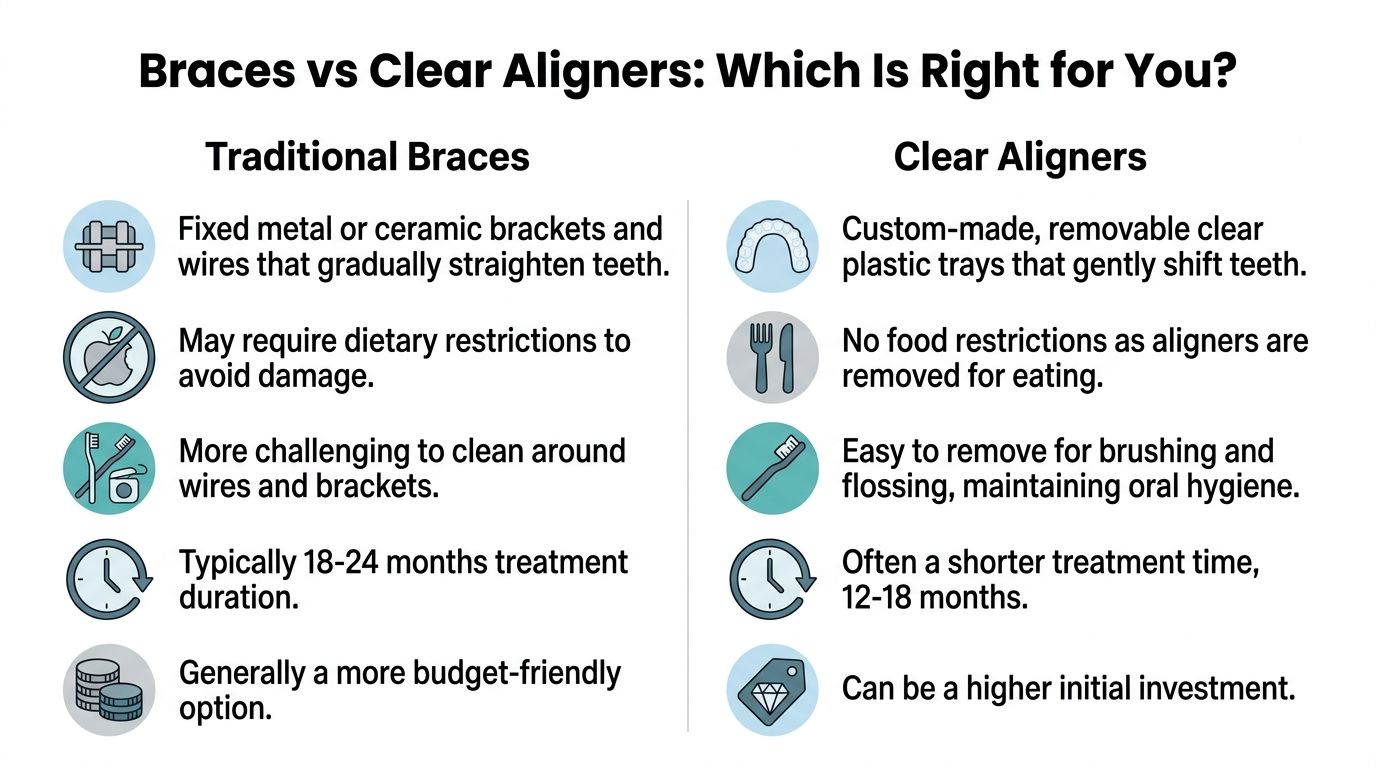
Quick comparison braces vs clear aligners
| Feature | Traditional Braces | Clear Aligners (e.g. Invisalign) |
|---|---|---|
| Appearance | More visible | Very discreet |
| How they work | Fixed brackets and wires | Removable custom trays |
| Eating | Some foods should be avoided | Removed for meals |
| Cleaning | More fiddly around brackets and wires | Easier to brush and floss normally |
| Discipline needed | Less dependent on patient remembering to wear them | Works best when worn exactly as instructed |
| Best for | Often a strong option for more complex movement | Often ideal for mild to moderate cases and image-conscious adults |
| Comfort | Can feel rough or tight after adjustments | Usually smoother, with pressure when changing trays |
| Lifestyle fit | Good for patients who want a fixed system | Good for patients who value flexibility |
When braces often make more sense
Braces can be an excellent option when a case is more complex, when tooth movements need tight control, or when a patient is likely to struggle with wearing removable aligners consistently.
They’re also helpful for children and teens who might lose trays or forget to put them back in after meals. Because braces stay on the teeth, the treatment keeps working without relying as much on day-to-day compliance.
Common reasons someone may lean toward braces include:
- Complex movement needs that require firm, fixed control
- Younger patients who may not manage removable appliances reliably
- No temptation to remove them during the day
- Budget planning where a simpler fixed option may suit the family better
When clear aligners are often the better fit
Clear aligners appeal to adults and teens who want a more subtle treatment option. They’re removable, which makes eating easier and daily brushing much simpler.
That flexibility comes with responsibility. If aligners spend too much time in a case instead of on your teeth, progress slows.
Practical rule: If you like flexibility and know you’ll follow instructions carefully, aligners can be a very good match.
Patients often like aligners because they suit work meetings, social events, and active routines. They’re also popular with adults planning a broader smile upgrade, especially if they’re thinking ahead about whitening or cosmetic refinements after straightening.
The decision most people actually make
Very few people choose by appliance alone. They choose by lifestyle.
If you don’t want to think about taking trays in and out, braces may suit you better. If appearance matters a lot and your case is suitable, clear aligners may feel far easier to live with.
Your clinician should assess more than crooked front teeth. They should look at bite, crowding, spacing, jaw relationship, gum health, existing fillings or crowns, and how realistic each option is for your day-to-day routine.
How Digital Scanners and 3D Planning Create Better Smiles
Modern orthodontics feels very different from the old image many people still carry around. The biggest shift is often the first appointment. Instead of biting into trays of messy impression material, many clinics now use digital scanning.
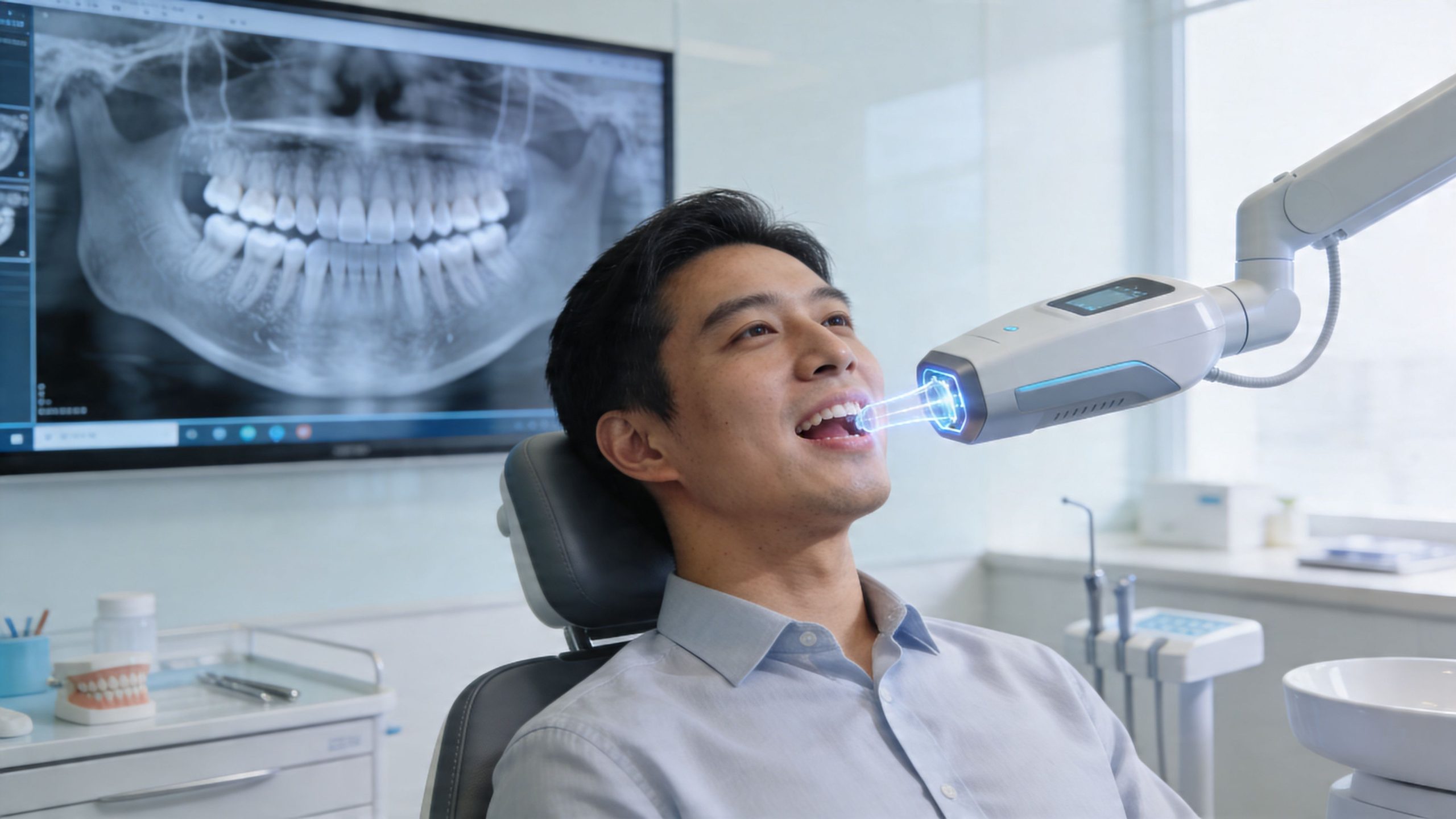
One benchmark example in Sydney is the use of the iTero 3D Digital Scanner by modern providers such as One Smile Orthodontics in Annandale. According to its treatment information, advanced intraoral scanners like iTero capture over 20,000 images per second, can reduce chair time by up to 50% compared with traditional impressions, and can cut production time for custom appliances from weeks to as little as 48 hours (onesmileortho.com/treatments).
What a digital scan actually does
A digital scanner creates a detailed 3D model of your teeth and gums. The scanner wand moves around your mouth, collecting images rapidly. Software then turns those images into a visual map that your clinician can assess on screen.
That means you can often see:
- Crowding and spacing more clearly
- Bite relationships from multiple angles
- Wear patterns that may affect planning
- A projected treatment sequence for aligner cases
For patients, the comfort difference is usually the first thing they notice. No goo. Less gagging. Fewer retakes.
Why the planning side matters
A straighter smile isn’t just about lining up the front teeth. Planning has to account for how upper and lower teeth meet, how much space exists, and whether movement is likely to be stable long term.
With 3D planning, patients can often view a virtual simulation before treatment begins. That changes the conversation. Instead of trying to interpret technical terms, you can see what your clinician means.
This short video gives a useful visual sense of how digital dental technology fits into treatment planning.
The same digital workflow also connects with how custom appliances are made. If you’re curious about the manufacturing side, this overview of 3D printing in the medical market helps explain why digital models can speed up production and improve consistency across healthcare devices.
Better for comfort, speed, and confidence
The core value of digital orthodontics is simple. It makes treatment easier to understand and often easier to tolerate.
Seeing your teeth on screen tends to reduce anxiety. People stop guessing and start understanding.
For parents, that can mean clearer conversations about a child’s bite or crowding. For adults, it often means more confidence before committing to aligners or braces. Technology doesn’t replace clinical judgement, but it does make the journey more transparent.
Choosing Between a Specialist and Your Family Dentist for Ortho
This is one of the most common points of confusion. People often assume orthodontic treatment only belongs in a specialist orthodontic clinic. Sometimes that’s true. Often, it depends on the case.
An orthodontist is a dentist who has completed additional specialist training focused on tooth movement, bite correction, and jaw relationships. That training makes orthodontists especially well suited to highly complex cases, severe bite issues, and treatment that may involve surgery or advanced mechanics.
A general dentist can also provide orthodontic treatment in suitable cases, particularly when they have the right training, case selection skills, and digital planning systems.
When a specialist is usually the right choice
There are situations where specialist care is the obvious path.
These may include:
- Complex jaw discrepancies that may need surgical input
- Severe bite problems involving multiple planes of movement
- Impacted teeth requiring advanced coordination
- Cases with unusual growth patterns in younger patients
If a case falls into that category, a good general dentist should say so clearly and refer appropriately.
Why integrated care appeals to many families
For a large number of patients, the question isn’t “who is better” in the abstract. It’s “who can provide the right treatment while also managing the rest of my dental health properly.”
That’s where a family practice can be very practical. One team already knows your history, your fillings, your gum condition, your child’s check-up patterns, and any habits like grinding or clenching that may affect planning.
If you’re comparing convenience as well as clinical fit, this article on how to find your family dentist near me in Dulwich Hill may help you think through what long-term care under one roof looks like.
The best question to ask at a consultation
Don’t start by asking, “Do you offer braces?”
Ask this instead: “Is my case appropriate for treatment here, and if not, who should I see?”
That question tells you a lot. A trustworthy clinician won’t force every case into one system. They’ll explain the limits, the alternatives, and whether your treatment would benefit from specialist involvement.
What to Expect Your Step-by-Step Patient Journey
Orthodontic treatment feels much less daunting when you know what the path looks like. Most journeys follow the same broad stages, even though the details differ from patient to patient.

Step one is the consultation
This visit is about listening before planning. You might say your front teeth overlap, your child’s bite looks off, or you’ve noticed old orthodontic relapse.
At this stage, the clinician usually gathers records, examines your bite, and discusses what bothers you most. If your routine care hasn’t been up to date, it’s common to make sure the basics are stable first. A recent checkup and clean can be an important foundation before teeth movement starts.
Step two is planning your options
At this stage, the treatment recommendation takes shape. You’ll usually be shown the problem areas, your available options, and the likely pros and compromises of each approach.
One person may hear, “Clear aligners are a strong option here.” Another may hear, “Braces will control this movement more predictably.” Neither answer is good or bad. It just means the treatment is being matched to the case.
A proper planning discussion should cover:
- The main issue that needs correcting
- The appliance choice and why it suits your case
- Your responsibilities during treatment
- Likely maintenance needs such as hygiene and reviews
- Retention after treatment, because teeth can move back without it
Step three is fitting braces or starting aligners
This appointment is usually easier than people expect.
For braces, brackets are bonded onto the teeth and wires are placed. You may feel pressure and tightness afterwards, especially over the first few days. Soft foods help.
For aligners, you’ll receive your first trays, learn how to insert and remove them, and get clear instructions on wear. Speaking may feel a little different for a short time, but most patients adapt quickly.
The first week is usually about adjustment, not difficulty. The routine becomes normal faster than most people expect.
Step four is your progress phase
This is the middle stretch. It’s less dramatic, but it’s where the work happens.
Review visits check tooth movement, bite changes, and appliance condition. If you’re wearing braces, wires may be adjusted. If you’re in aligners, new trays or refinements may be discussed.
This stage also brings up practical coaching:
- Cleaning properly around brackets or attachments
- Managing sore spots or rubbing
- Remembering wear time if you’re using aligners
- Protecting progress by following food and care advice
Step five is the final reveal and retention phase
When active treatment ends, patients often focus on how their teeth look. Clinically, though, retention matters just as much.
Teeth have a memory for their old positions. Retainers help hold the new result while supporting structures settle. If patients ignore this stage, even beautifully finished treatment can drift.
Some people also choose to finish with whitening or other cosmetic refinements once alignment is complete. That can be a sensible sequence because straightening first allows any final aesthetic work to be planned more precisely.
Understanding Orthodontic Costs and Financing in Dulwich Hill
A lot of Inner West parents reach the same point. They’ve decided treatment would help, their child is ready, and then the practical question lands. How much is this going to cost, and can we fit it into family life without stress?
That concern is reasonable. Orthodontic care is rarely a small expense, and many families need clear numbers before they can make a confident decision. The helpful part is that cost usually becomes less confusing once you break it into pieces, just like reading a treatment plan one step at a time instead of staring at one large total.
Why one patient’s fee won’t match another’s
Orthodontic fees vary because the work varies.
Straightening a few crowded front teeth is different from correcting a bite that affects how the back teeth meet. Braces and clear aligners also involve different materials, different review schedules, and different planning systems. A digital, family-focused clinic in the Inner West should explain those differences in plain language, not bury them inside a quote.
Costs often change based on:
- How complex the tooth movement is
- Whether treatment uses braces or clear aligners
- How long active treatment is expected to run
- Whether retainers and refinement stages are included
- Whether other dental care is needed first, such as fillings, cleans, or extractions
That is why online prices can be hard to compare. One clinic may advertise a low starting figure, while another includes planning, reviews, retainers, and follow-up care in the same quote. They are not always measuring the same thing.
What families in Dulwich Hill should ask about
A good cost discussion should feel like getting a map before a road trip. You want to know the route, the likely stops, and what is already covered.
Ask whether the quoted fee includes records, digital scans, review visits, retainers, emergency appointments, and any likely refinement phase. Ask how private health fund rebates are handled and whether there are separate costs if treatment changes along the way.
This matters in the Inner West, where families are often balancing school fees, rent or mortgage pressure, and multiple children’s health needs at once. A treatment plan that looks manageable on paper can still feel hard if the payment timing is not explained clearly.
Why payment plans matter
Many families are not looking for the lowest headline price. They are looking for a monthly arrangement that fits real life.
That is one reason flexible finance matters. Spreading treatment over instalments can make orthodontics feel more realistic, especially for parents comparing options such as One Smile Orthodontics in Annandale with a local, family-oriented clinic like The Smile Spot in Dulwich Hill. If you’re considering aligners, this guide to an Invisalign payment plan in Sydney explains how staged payments can work in practical terms.
Technology also plays a part here. Clinics that use digital scanners and 3D planning can often show you what is being proposed more clearly, which makes it easier to understand where the fee is going. You are not just paying for an appliance. You are paying for diagnosis, planning, monitoring, and a result that is meant to last.
A fair quote should leave you feeling informed, not rushed. Clarity matters just as much as price.
Taking the First Step to Your New Smile
If you’ve been circling around the idea of treatment for months, the next move doesn’t need to be dramatic. It just needs to be simple.
Book a consultation. Ask the questions you’ve been holding onto. Find out whether your case suits braces, clear aligners, or a different approach altogether. If you’re nervous, start with a clinic known for a calm and supportive experience. This guide on finding a gentle dentist near me can help if comfort is a big part of your decision.
A good first appointment should leave you with clarity, not pressure. You should walk out understanding your bite, your options, and what the journey would involve if you decide to go ahead.
That’s the core promise behind the phrase one smile orthodontics. Not just a brand name, but one well-guided path toward a healthier, more confident smile.
If you’re ready to talk through your options with a local team that understands family dentistry, smile aesthetics, and patient comfort, book a consultation with The Smile Spot. They welcome Inner West families, offer transparent care, and make it easier to start your smile journey with confidence.