
Tooth extraction may be needed when a tooth is badly damaged, infected, painful or loose. The Smile Spot provides careful assessment, clear advice, and gentle care for patients in Dulwich Hill who may need to have a tooth removed.
A tooth extraction may be recommended when a tooth can no longer be safely restored or is putting your oral health at risk. At The Smile Spot, your dentist will first assess the tooth, discuss your symptoms and explain the most suitable options before recommending removal.
Common reasons for tooth extraction in Dulwich Hill include severe decay, advanced infection, dental trauma, gum disease, overcrowding or a tooth that has become too loose to support. Dental extractions may also be needed when a tooth has fractured below the gumline or when there is not enough healthy tooth structure left for a filling, crown or other restoration.
The goal is always to protect your comfort, oral health and long-term function. If removal is the right choice, your dentist will guide you through the process clearly so you know what to expect.

Feeling nervous about a dental extraction is completely understandable. The Smile Spot focuses on calm, supportive care so patients feel informed and comfortable throughout their visit.
Before treatment begins, your dentist will explain what is happening, answer your questions and use local anaesthetic to numb the area. Many people search for pain-free tooth extraction, but no dental procedure should be overpromised. The aim is to provide comfortable, controlled treatment with minimal discomfort wherever possible.
Your dentist will check that the area is numb before proceeding and will let you know what sensations are normal, such as pressure or movement. This clear communication can make the experience feel much less stressful.
There are two main types of tooth removal: simple and surgical.
A simple tooth extraction is usually suitable when the tooth is visible in the mouth and can be removed without making an incision in the gum. This is often the case for teeth that are loose, badly decayed or damaged but still accessible.
A surgical tooth extraction may be needed when a tooth is broken, impacted, partly covered by gum or difficult to access. This type of treatment may involve sectioning the tooth or making a small opening in the gum to remove it safely.
Before any extraction, your dentist may take X-rays to assess the roots, surrounding bone and nearby structures. You will also receive aftercare instructions to support healing once the tooth has been removed.
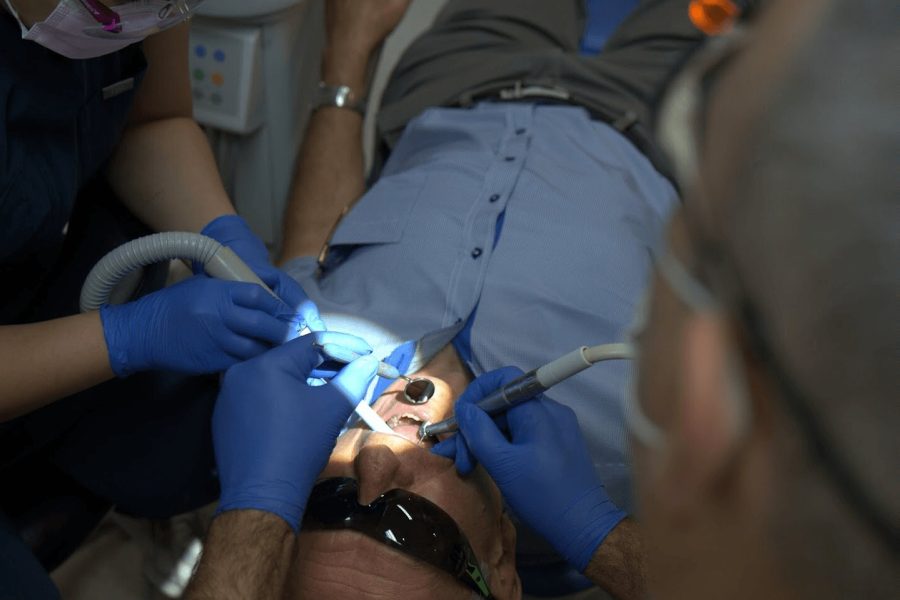
A broken, infected or painful tooth should be assessed as soon as possible. Pain may be caused by deep decay, an exposed nerve, infection, a cracked tooth or pressure around the gum. In some cases, early care may prevent the need for removal. In others, tooth removal may be the safest way to stop pain, infection or further damage.
If you have severe toothache, swelling, facial tenderness or a tooth that has broken suddenly, book an assessment with The Smile Spot. For urgent symptoms, you may also need help from an emergency dentist.
Extractions for broken or painful teeth are carefully planned, with your comfort and safety in mind. Your dentist will explain the cause of the problem and recommend the next step based on your situation.
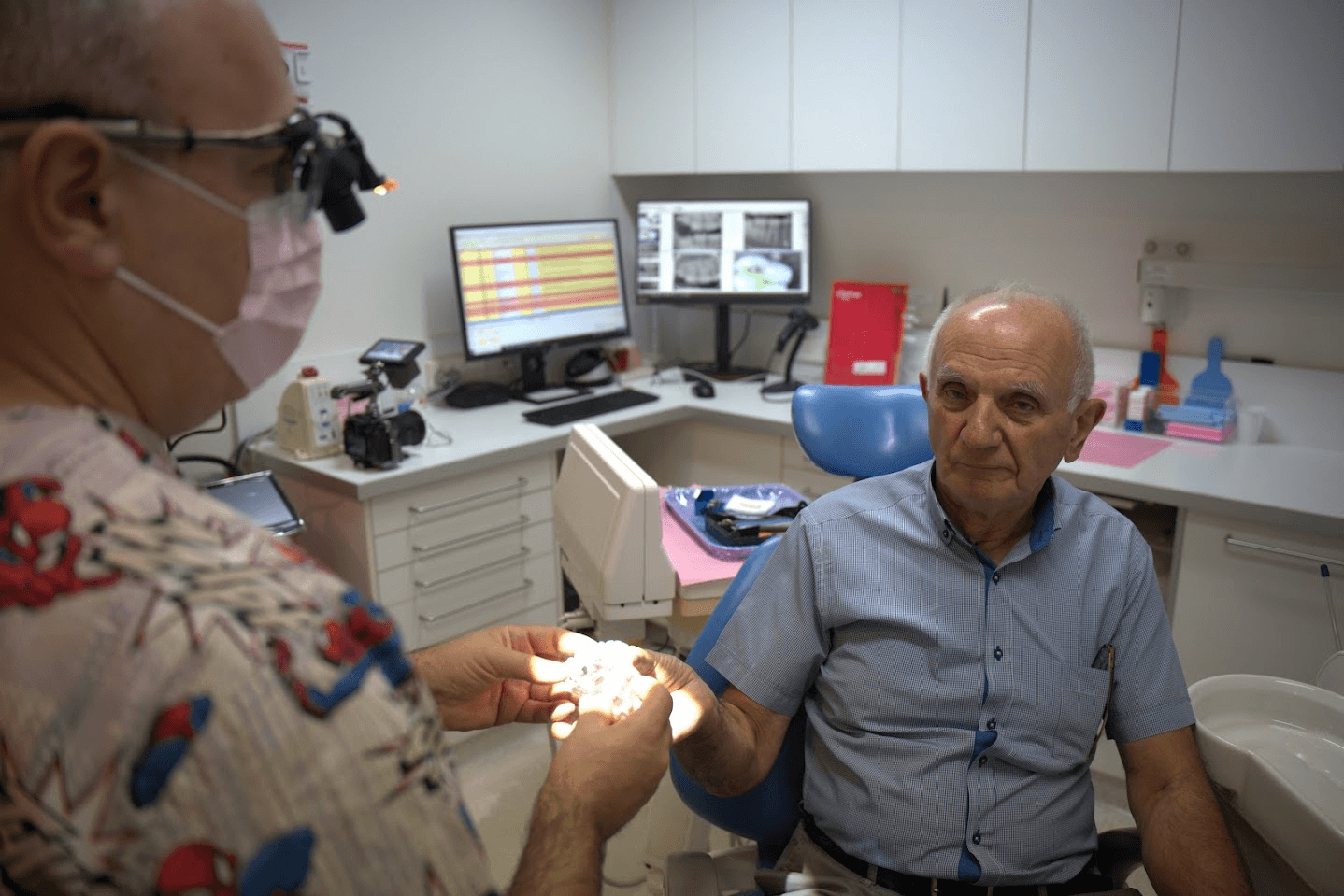
Tooth removal is not always the first option. A dentist will check whether the tooth can be saved before recommending removal. This may include assessing the amount of healthy tooth structure, the extent of infection, gum support and whether the tooth can still function properly.
If the nerve inside the tooth is infected but the tooth structure is strong enough, root canal treatment may be discussed as an alternative. Other options may include a filling, crown or gum treatment, depending on the cause of the problem.
If the tooth cannot be predictably restored, your dentist will explain why extraction may be needed and what replacement options may be suitable afterwards, such as a bridge, an implant or dentures made by our in-house prosthetist.
Back teeth and wisdom teeth can sometimes cause pain, swelling, pressure or repeated gum infections. Wisdom teeth may also become impacted, which means they are trapped under the gum or unable to come through properly.
If you are experiencing pain at the back of the jaw, difficulty opening your mouth, swollen gums or food trapping around a partly erupted tooth, it is worth arranging an assessment. Your dentist can use X-rays to check the position of the tooth and whether removal is recommended.
For wisdom tooth concerns, The Smile Spot also provides dedicated care for wisdom tooth removal in Dulwich Hill.
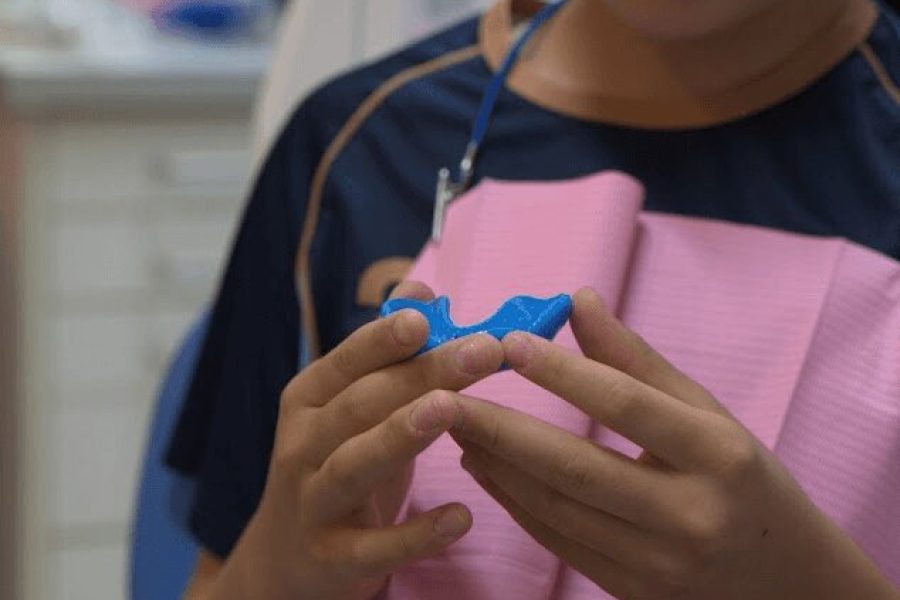
The Smile Spot provides dental care for patients in Dulwich Hill and the surrounding Inner West suburbs. The team focuses on clear communication, modern technology, friendly service and patient-centred care.
Patients choose The Smile Spot for dental extractions because the clinic offers experienced dentists, a calm environment, modern diagnostic technology, clear treatment planning, transparent pricing, friendly staff and late appointments for added convenience.
You can learn more about the clinic and team on the About The Smile Spot page.
Dental crowns typically last between 10 to 15 years, and often longer with proper care. Their lifespan depends on the material used, oral hygiene habits, and whether you grind or clench your teeth. Regular check-ups help ensure your crown remains secure and functional.
The dental crown procedure is generally comfortable. Local anaesthetic is used during tooth preparation, so you shouldn’t feel pain. Some mild sensitivity may occur after treatment, but this usually settles within a few days.
A crown may be recommended if a tooth is cracked, severely decayed, weakened after a root canal, or has a very large filling. Crowns restore strength and protect the remaining natural tooth structure.
Dental crowns can be made from porcelain, ceramic, zirconia, or porcelain fused to metal. Your dentist will recommend the most suitable material based on the tooth’s location, strength requirements, and aesthetic goals.
Yes. Modern crowns are designed to closely match the colour, shape, and translucency of your surrounding teeth. When professionally crafted, they blend seamlessly into your smile.
Care for your crown just like a natural tooth. Brush twice daily, floss carefully around the crown, and attend regular dental visits. Avoid chewing very hard objects to prevent damage.
After a tooth extraction, your dentist will provide instructions to help the area heal properly. Recovery varies depending on the tooth, the complexity of the extraction and your general health, but most patients can return to normal routines within a few days.
Aftercare may include gently biting on gauze, eating soft foods, avoiding hot drinks at first, and not rinsing too vigorously for the first 24 hours. It is also important to avoid smoking, drinking through a straw and disturbing the area with your tongue or fingers, as this can affect the blood clot that supports healing.
Keep the rest of your mouth clean as directed, and contact the clinic if you notice worsening pain, swelling, bleeding, bad taste, or symptoms that do not feel right.
If you have tooth pain, a broken tooth, swelling, or an infection, or think you may need a tooth removed, book an appointment with The Smile Spot. The team will assess your tooth carefully, explain whether it can be saved and provide gentle care if extraction is needed.

The Smile Spot – Affordable Family Dentist, providing dental services at Dulwich Hill, Marrickville, Canterbury, Sydenham, Petersham, Lewisham, Summer Hill, Enmore, New Town, Earlwood, Wolli Creek, Bardwell Park, Arncliffe, Kogarah, Rockdale, Banksia, Bexley, Bexley North, Tempe, St. Peters, Erskineville, Sydney, Leichardt, Inner West.
Mon - Tue : 9 am -8 pm
Thu : 9 am -8 pm
Fri - Sat : 9 am -3 pm
Closed on Wednesdays and Sundays
Comprehensive Care Package includes examination, X-rays (as many as required), scale/clean and Fluoride treatment at $240 , For children under the age of 17 years $180.




