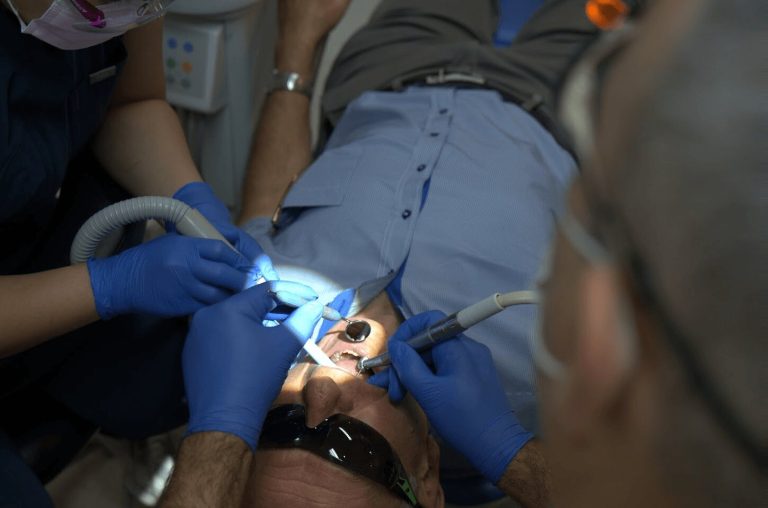
Swollen gums can make brushing, eating, and even speaking feel uncomfortable. You may notice puffiness around one tooth, redness across several areas or tenderness when you clean between your teeth. While mild irritation can sometimes settle, ongoing gum swelling may be a sign that your mouth needs professional attention.
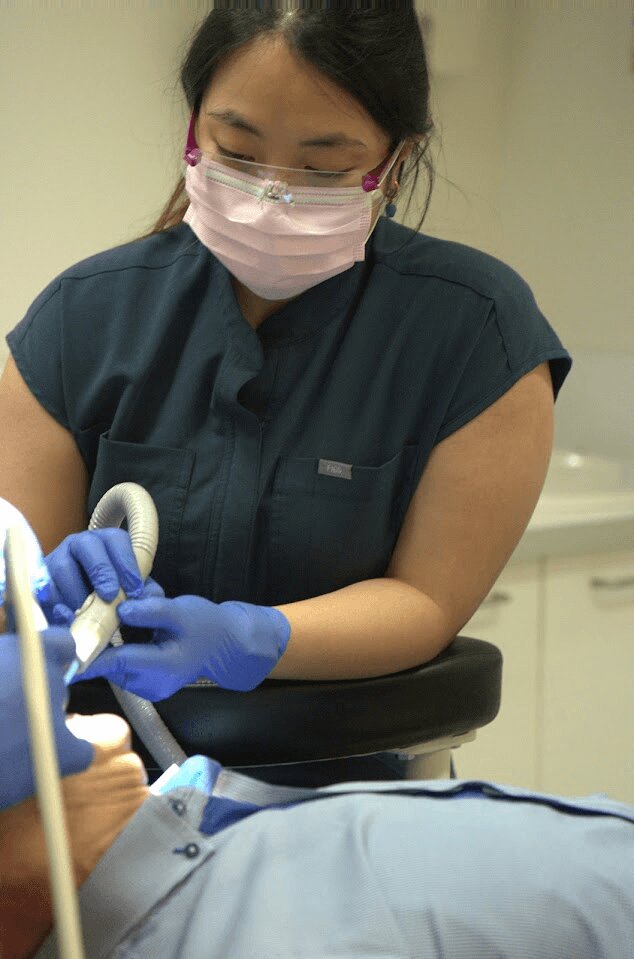
Gum swelling can develop for several reasons. One of the most common is plaque accumulating along the gumline. Plaque contains bacteria that can irritate the gums, causing them to become red, tender or more likely to bleed.
If plaque is not removed effectively, it can harden into tartar. Tartar cannot usually be removed with regular brushing and may continue to irritate the surrounding gum tissue.
Other possible causes include:
The location, severity and duration of the swelling can help your dentist determine what may be happening. A professional assessment is important when symptoms persist, return regularly or are accompanied by pain.
Healthy gums are generally firm and sit closely around the teeth. They should not bleed regularly during brushing or flossing.
Common warning signs of a gum problem include:
Early gum disease may not always cause significant pain. This means a problem can progress even when the symptoms seem manageable. Booking an examination gives your dentist the opportunity to identify changes before they become more difficult to treat.
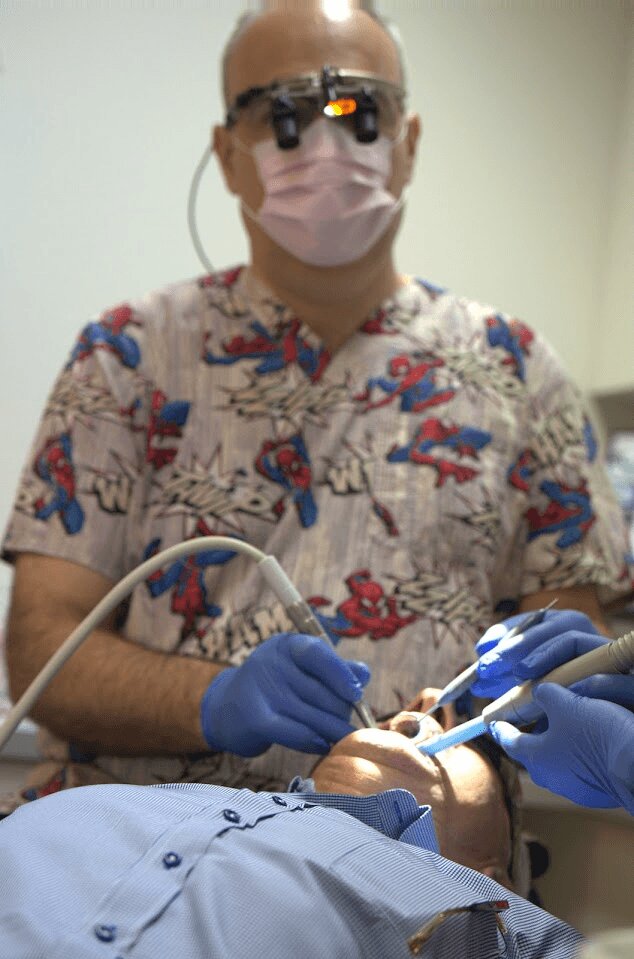
Some gum swelling requires prompt attention, particularly when an infection may be present.
Contact an emergency dentist as soon as possible if the swelling is severe, appears suddenly or is accompanied by:
• Severe or throbbing dental pain
• Facial or jaw swelling
• Pus around a tooth or gum
• Fever or feeling generally unwell
• Difficulty opening your mouth
• Pain when swallowing
• A loose adult tooth
• Swelling following dental trauma
Seek urgent medical assistance if you experience difficulty breathing or swallowing, or if swelling is spreading rapidly through the face, jaw or neck.
Dental infections do not usually resolve permanently without addressing the source. Pain relief may temporarily reduce discomfort, but a dental assessment is still needed.
Your visit begins with a discussion about your symptoms. Your dentist may ask when the swelling started, whether it is painful, if it bleeds and whether you have noticed any other changes.
We then examine your gums, teeth and surrounding tissues. Depending on what we find, we may check the depth of the spaces between your teeth and gums, assess for loose teeth or take dental X-rays.
These steps help us determine whether the problem is related to surface irritation, plaque and tartar, gum disease, decay, an infected tooth or another condition.
Your treatment plan will depend on the cause. We will explain our findings in straightforward language and discuss the recommended next steps before proceeding.
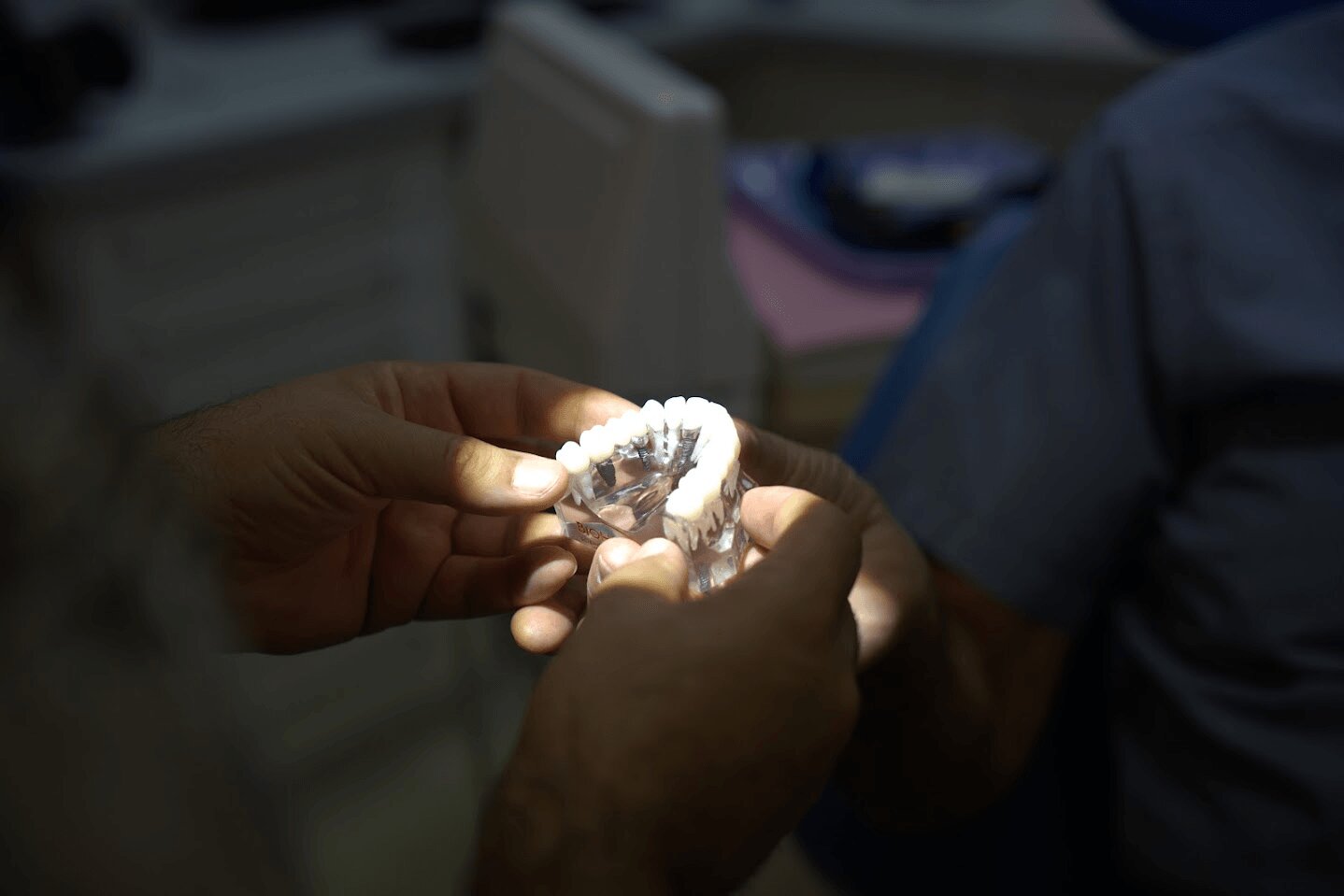
Treatment may be relatively simple when inflammation is identified early. Mild gingivitis can often be managed with professional cleaning, improved home care and ongoing monitoring.
A professional clean removes hardened deposits that cannot be brushed away at home. You can learn more about professional teeth cleaning and how it supports healthier teeth and gums.
If gum disease has progressed beneath the gumline, a deeper clean may be recommended. This treatment focuses on removing bacterial deposits from around the tooth roots and within gum pockets.
Further care may be required when swelling is caused by:
Some patients may also be suitable for targeted periodontal care using dental laser technology. Read about laser gum treatment to understand how this approach may form part of a personalised gum care plan.
Your dentist will recommend treatment based on the condition of your gums, the health of the affected teeth and the severity of your symptoms.
Minor irritation caused by food trapped between the teeth or overly vigorous brushing may improve once the source is removed. However, swelling that lasts more than a few days, keeps returning or occurs with bleeding should not be ignored.
Gum disease can become more difficult to manage as it progresses. In advanced cases, inflammation can damage the structures supporting the teeth.
Waiting for significant pain before booking an appointment may allow a small concern to become more complex. Early care usually provides more treatment options and can help protect your natural teeth.

Good home care can support recovery, but it should not replace a professional assessment when symptoms continue.
Brush twice daily using a soft-bristled toothbrush and fluoride toothpaste. Use gentle circular movements around the gumline rather than scrubbing firmly.
Clean between your teeth each day with floss or interdental brushes. If an area is especially tender, clean it carefully rather than avoiding it completely, unless your dentist has advised otherwise.
You can also:
• Rinse gently with warm salty water
• Drink plenty of water
• Avoid smoking and vaping
• Limit very sugary foods and drinks
• Avoid biting hard foods with the affected area
• Replace a worn or damaged toothbrush
• Follow any cleaning advice provided by your dentist
Do not place aspirin or other medication directly onto the gum. This can damage the tissue. Take over-the-counter medication only as directed and check with your pharmacist or doctor if you are unsure whether it is suitable for you.
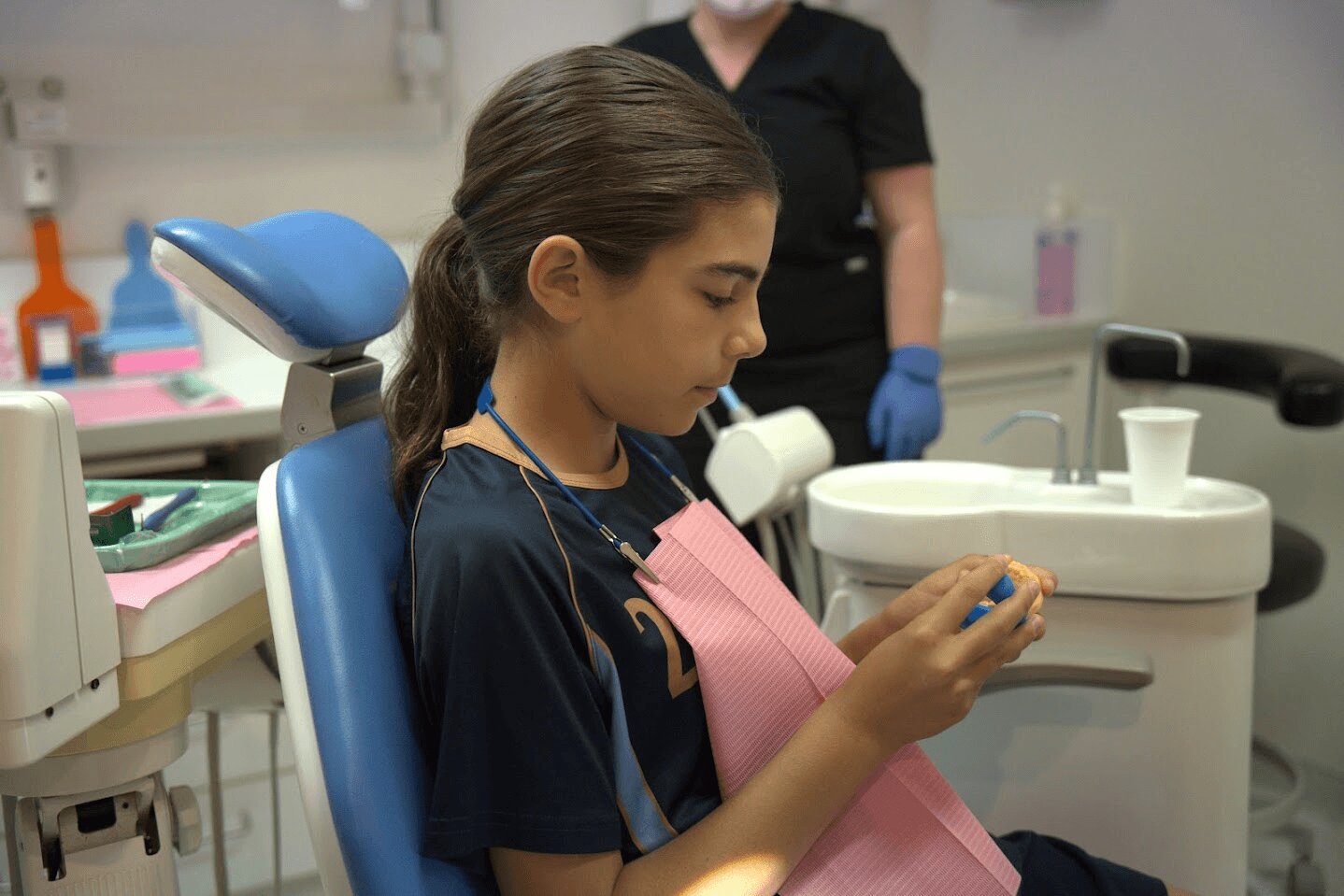
Children can also experience red or puffy gums. Common causes include plaque build-up, food trapped between teeth, teeth erupting, mouth breathing or irritation around a damaged tooth.
A child may not always explain where the discomfort is coming from. They might avoid certain foods, resist brushing or complain that a tooth feels funny.
Our children’s dentistry focuses on gentle assessments and age-appropriate explanations. Early visits can help identify problems while supporting healthy brushing and flossing habits.
Seek prompt advice if your child has significant swelling, fever, facial swelling, severe pain or difficulty eating and drinking.
Bleeding may occur when the gums are inflamed, often due to plaque around the gumline. Brushing too firmly can also contribute. Regular bleeding should be assessed by a dentist.
Stress may affect immune function and oral care habits, which can make some gum problems more difficult to manage. However, persistent swelling still requires a dental assessment to identify the direct cause.
Mouthwash may help reduce bacteria or freshen your mouth, but it cannot remove tartar or treat an underlying infection. It should be used as part of a broader care routine rather than as a substitute for dental treatment.
No. Swelling may also be caused by trapped food, infection, trauma, erupting teeth, dental appliances, medication or other health factors. An examination can help determine the likely cause.
Book an appointment if swelling lasts longer than a few days, returns frequently or occurs with bleeding, pain or bad breath. Seek urgent care for facial swelling, fever, severe pain or difficulty swallowing.
Consistent daily care is one of the best ways to reduce gum irritation. This includes brushing thoroughly, cleaning between the teeth and attending routine dental visits.
During regular examinations, your dentist can check for early inflammation, tartar build-up, gum recession and changes around existing dental work. Professional cleaning also removes deposits from areas that may be difficult to reach at home.
Your dentist or hygienist can recommend a cleaning routine based on your mouth. Some people benefit from interdental brushes, an electric toothbrush or more frequent professional care.
Lifestyle factors can also influence gum health. A balanced diet, good hydration and avoiding tobacco products can support healthier oral tissues.
Gum swelling is often your mouth’s way of signalling that something needs attention. Whether the cause is plaque build-up, gum disease, an infected tooth or local irritation, identifying it early can help prevent further discomfort.
The Smile Spot provides personalised gum assessments and dental care for patients throughout Dulwich Hill and nearby Inner West communities. We take the time to understand your symptoms, examine the affected area and explain your treatment options clearly.
Contact The Smile Spot to arrange an appointment for swollen gums in Dulwich Hill.

The Smile Spot – Affordable Family Dentist, providing dental services at Dulwich Hill, Marrickville, Canterbury, Sydenham, Petersham, Lewisham, Summer Hill, Enmore, New Town, Earlwood, Wolli Creek, Bardwell Park, Arncliffe, Kogarah, Rockdale, Banksia, Bexley, Bexley North, Tempe, St. Peters, Erskineville, Sydney, Leichardt, Inner West.
Mon - Tue : 9 am -8 pm
Thu : 9 am -8 pm
Fri - Sat : 9 am -3 pm
Closed on Wednesdays and Sundays
Comprehensive Care Package includes examination, X-rays (as many as required), scale/clean and Fluoride treatment at $240 , For children under the age of 17 years $180.