You’re probably here because one of two things is happening. Your child has a new tooth and you’re wondering when to book that first visit, or you’ve already had the bedtime brushing standoff and want to know if you’re doing enough.
That’s a very normal place to be.
Paediatric dental care can sound more complicated than it really is. Most parents don’t need a lecture. They need clear advice, practical routines, and a calm explanation of what matters now, what can wait, and what to do if their child is nervous, wriggly, or already saying they hate the dentist.
If you live in Dulwich Hill or the Inner West, there’s another layer to this. Families are juggling school, work, sports, crowded calendars, and sometimes long waits when a child suddenly needs help. A good plan makes all of that easier. The idea isn’t to be perfect. It’s to build habits early, catch problems while they’re still small, and make dental visits feel ordinary rather than scary.
The Foundation of a Healthy Smile
When people hear paediatric dental care, they often think it means checking baby teeth for cavities. It’s much broader than that. It includes watching how teeth erupt, helping children learn to brush well, guiding feeding and snack habits, checking jaw and bite development, managing anxiety, and creating a familiar place your child can return to as they grow.
A simple way to think about it is to picture building a house. The roof gets the attention later, but the foundation decides how stable everything will be. Your child’s early dental habits work the same way. Baby teeth may be temporary, but they help with chewing, speech, spacing for adult teeth, and confidence.
Why baby teeth matter more than parents expect
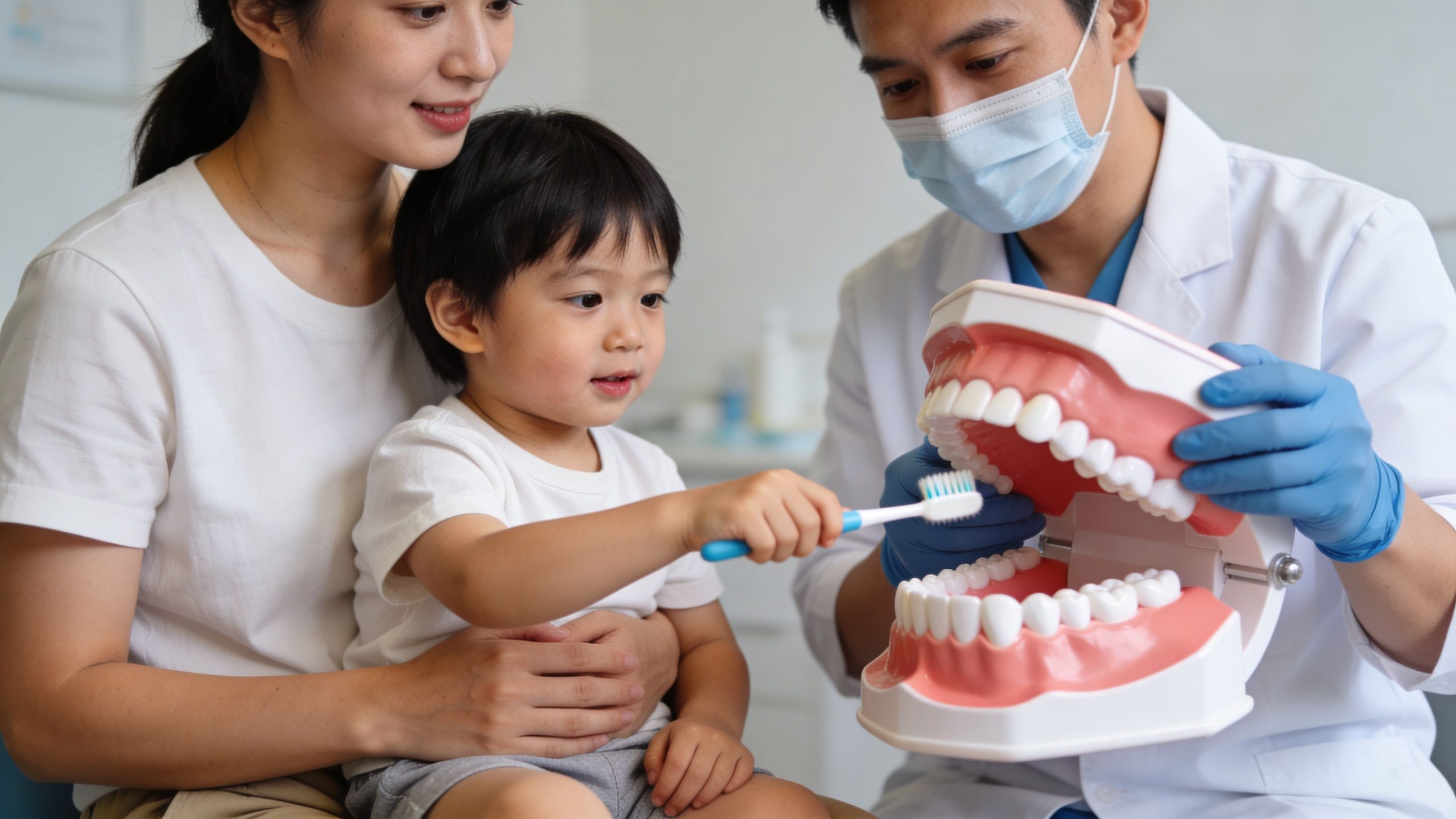
Baby teeth hold space for the adult teeth coming behind them. If one is lost too early because of decay or infection, nearby teeth can drift into the gap. That can create crowding or bite issues later on.
They also affect day-to-day life more than people realise. A sore tooth can make a child avoid crunchy foods, chew on one side, sleep badly, or become grumpy without being able to explain why. It can even affect how confidently they smile or speak.
That’s one reason early care matters so much. Early childhood dental disease is a major public health issue, with 23% of children aged 2–5 with tooth decay coming from high-poverty households, and untreated cavities affect 15% of children aged 5–11 according to children’s dental health data. Those numbers remind us that dental problems in children aren’t rare, and they’re not just cosmetic.
Practical rule: Don’t think of the first dental years as “just the baby teeth stage”. Think of them as training years for a lifetime of oral health.
What a dental home really means
Parents often hear the phrase dental home and assume it means a clinic you visit when something goes wrong. It’s the opposite. A dental home is the place your child knows for routine checks, advice, prevention, and help if a problem appears.
That familiarity matters. Children cope better when the setting, faces, and routine feel known. Instead of meeting the dentist for the first time during pain or an emergency, they learn that the dental chair is another part of staying healthy.
For many families, that starts by finding a gentle dentist near me and making the first appointment low-pressure and positive.
Oral health connects to the rest of health
Parents sometimes separate teeth from the rest of the body. Kids don’t experience it that way. If their mouth hurts, eating becomes harder. If chewing hurts, they may avoid certain foods. If a front tooth is discoloured or broken, they may hide their smile in photos or at school.
Good paediatric dental care supports the basics. Comfortable eating. Clear speech. Better sleep. Less fear around health care. Small routines done early often prevent much bigger treatment later.
That’s why the strongest first step isn’t fancy. It’s consistency. A simple home routine, regular check-ups, and a calm, matter-of-fact approach from parents usually does more good than dramatic last-minute fixes.
Your Child's Dental Visit Timeline
A lot of parents feel unsure because nobody hands you a map. You notice a first tooth, buy a tiny toothbrush, then wonder what comes next. The timeline is quite manageable once you break it into stages.
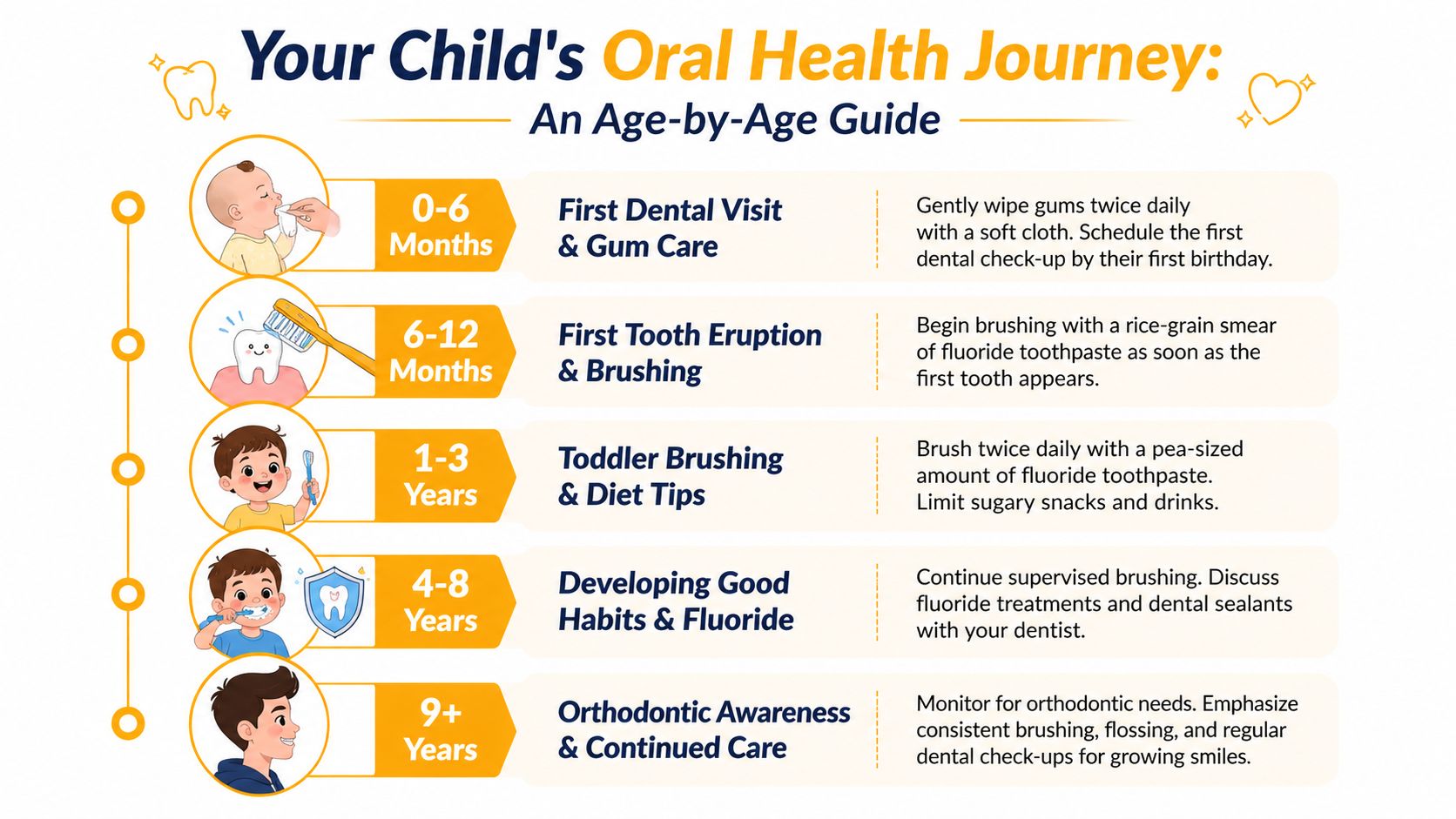
The first visit is usually around the first birthday, or when the first tooth appears. That first appointment is often short and gentle. For a baby, it may involve a quick look at the teeth and gums, a check for normal development, and a conversation with the parent about feeding, brushing, dummy habits, and what to expect next.
What visits look like as your child grows
With toddlers and preschoolers, the appointment becomes more interactive. They may sit on your lap, practise opening wide, count teeth, and start getting used to simple polishing or a very light clean if appropriate. At this age, just learning that the visit is safe is a big win.
By school age, children usually have a better sense of routine. Dental visits often focus on checking how adult teeth are coming in, watching the bite, cleaning the teeth, reviewing brushing and flossing, and discussing preventive options like fluoride or sealants if needed. If a child has crowding, mouth breathing, thumb sucking, or a bite concern, this is also the stage where those patterns become easier to spot early.
| Age Group | Recommended Visit Frequency | Key Focus Areas at The Smile Spot |
|---|---|---|
| 0–2 years | Regular check-ups as advised by your dentist | First tooth assessment, feeding guidance, gum and tooth cleaning tips, habit review |
| 2–5 years | Regular check-ups as advised by your dentist | Brushing coaching, cavity checks, familiarisation, diet discussion, simple preventive care |
| 6+ years | Regular check-ups as advised by your dentist | Cleaning, eruption checks, bite monitoring, sealant and fluoride discussions, sports protection |
A simple way to picture the journey
Think of each stage like a school transition.
- Baby stage means the parents do almost all the work. The dental team mostly guides you.
- Toddler and preschool stage is about cooperation and repetition. Children start participating, but still need close help.
- School-age stage adds responsibility. Your child can learn skills, but they still need supervision and regular professional checks.
That progression makes appointments feel less mysterious.
The easiest dental visit is usually the one that happens before there’s pain, swelling, or a rushed need to fix something.
If you’re due for a routine check-up and clean, it helps to treat it like any other health appointment. Book ahead, choose a time when your child is usually rested, and avoid building it up as something frightening or special.
What parents often worry about unnecessarily
Many parents fear their child won’t sit still, won’t open their mouth, or will cry. That can happen, and it doesn’t mean the appointment has failed. Young children often need a few visits to learn the rhythm.
Success doesn’t always look like a perfect exam. Sometimes success is walking into the room, sitting in the chair for a minute, or letting the dentist count a few teeth. Those small steps build trust, and trust makes future care much easier.
At-Home Oral Care for Every Age
Most dental health happens at home, not in the clinic. That’s especially important now, because 75% of children aged 1–17 received preventive dental care in the past year, down from 80% in 2018–2019, according to annual preventive dental care data. When preventive visits drop, home care matters even more.
Parents often ask for the one perfect routine. There isn’t one. There is a routine that fits your child’s age, ability, and temperament. That’s the one that works.
Infants
Before teeth appear, oral care still counts. Wipe the gums gently with a soft, clean cloth after feeds or as part of the bedtime routine. This gets your baby used to mouth care and helps parents build the habit early.
When the first tooth erupts, switch from wiping to brushing. Use a very small smear of fluoride toothpaste and a soft baby toothbrush. The goal at this stage isn’t a dramatic scrub. It’s gentle removal of milk residue and plaque from the gumline and tooth surface.
A few infant habits are worth watching:
- Bedtime feeding patterns can leave milk or other liquids around the teeth for long periods.
- Frequent sipping through the day can keep sugars in contact with teeth.
- Sharing spoons or cleaning dummies with your mouth can pass bacteria from adult to child.
Toddlers
Toddlers want independence before they have the hand skills for it. That’s why brushing often turns into “I do it” followed by twenty seconds of chewing the toothbrush.
Let them have a turn first. Then ensure thorough brushing yourself. A helpful phrase is, “Your turn, then my turn.” It avoids a power struggle while keeping the teeth properly cleaned.
Useful toddler strategies include:
- Keep it short and calm. You don’t need a dramatic negotiation every night.
- Use position rather than force. Many parents find brushing easier with the child leaning back against them so they can see properly.
- Make the order predictable. Same bathroom, same song, same sequence. Toddlers cope better when they know what’s coming.
If your toddler resists brushing, the problem usually isn’t stubbornness. It’s that they want control and the task feels strange or boring.
Young children
School-aged children often look capable well before they are thorough. They can hold the brush, but they still miss the back teeth, the gumline, and the inside surfaces. That’s why supervision matters for longer than most parents expect.
At this age, think of yourself as the quality checker. Your child can brush first, and you can finish or inspect. Flossing becomes important once teeth touch closely together, because a toothbrush can’t clean between tight contacts.
A practical home routine looks like this:
- Brush morning and night with fluoride toothpaste.
- Slow down at the back molars, where food and plaque collect most easily.
- Check the gumline, not just the visible front of the teeth.
- Floss where teeth touch.
- Offer water after snacks when brushing isn’t possible.
Food, drinks, and the hidden routine
Parents usually focus on how much sugar their child eats. Timing matters too. Teeth cope better with sweets eaten with a meal than with constant grazing through the day. Every sip of sweet drink or nibble of sticky snack gives mouth bacteria another chance to produce acid.
That doesn’t mean food has to become stressful. It means pattern matters. Regular meals, water between them, and fewer frequent sugary exposures is a much friendlier setup for teeth.
If you’re also trying to build healthier family routines overall, these childhood health and activity ideas are useful because oral health and general health usually improve together when families focus on habits rather than rules alone.
When home care isn’t going smoothly
If brushing ends in tears every night, simplify. Use a smaller brush. Try brushing earlier in the evening before your child is overtired. Let them choose the brush colour. Count teeth out loud. Brush in front of a mirror. Some children do better standing, others lying down.
The key is not to quit because the routine is messy. Most children become easier to brush once the habit is steady and parents stay matter-of-fact.
Proactive Care with Preventive Treatments
A lot of prevention in children’s dentistry happens before a child feels any pain at all. That is the point. We want to strengthen teeth, shield the spots that trap food, and lower the chance that a small risk turns into a filling later.
For parents, these treatments can sound technical until you connect them to something familiar. Fluoride works like adding minerals back into a wall before it starts to crack. Sealants act like a clear cover over the deepest grooves of the back teeth. A mouthguard protects teeth the same way a bike helmet protects a child’s head during a fall.
Fluoride and sealants in plain language
Professional fluoride applications help enamel stay stronger against everyday acid attacks from food, drinks, and plaque. This can be especially useful for children who snack often, have early weak spots in the enamel, or are still learning to brush thoroughly every time.
Dental sealants help most on the permanent molars. Those teeth often have narrow grooves that are hard to clean well, even with a careful brush. Parents are sometimes surprised by this. The top of the tooth can look clean while bacteria stay tucked into the little trenches below. A sealant covers those trenches and makes the chewing surface easier to protect.
For many Inner West families, this is one of the simplest ways to prevent trouble on the teeth that tend to decay first. It is also a practical treatment for busy households because it is quick, gentle, and usually much easier on the budget than repairing a cavity later.
Mouthguards and early tooth loss
If your child plays footy, basketball, martial arts, skating, or any activity with falls and collisions, ask about a custom mouthguard. The store-bought versions often feel thick or shift around, so children chew them, fiddle with them, or stop wearing them. A custom-made mouthguard fits more securely, feels more comfortable, and is far more likely to stay in for the whole game.
Another issue parents do not always expect is early loss of a baby tooth. Baby teeth are placeholders. If one comes out too soon, nearby teeth can drift into the gap, a bit like cars edging into an empty parking spot. That can reduce the room available for the adult tooth later. In those cases, a space maintainer may be recommended to help hold the gap while the permanent tooth develops.
Prevention often looks quiet. No emergency, no dramatic change, just fewer problems building in the background.
Which children benefit most
Preventive treatment is not a one-size-fits-all checklist. We usually look at your child’s pattern of risk. Deep molar grooves, enamel defects, frequent snacking, a history of early decay, mouth breathing, braces, and difficulty coping with brushing can all change what protection makes sense.
Local context matters for Inner West families. Parents in Dulwich Hill and nearby suburbs often tell us the hardest part is not deciding whether prevention matters. It is finding appointments that fit school and work, and understanding costs early. At The Smile Spot, we try to make that easier with clear treatment planning, practical preventive options, and gentle tools such as Biolase laser dentistry for anxious children who need care but find the usual sounds and sensations stressful.
The right preventive plan should feel doable, not overwhelming. If a treatment is recommended, ask what problem it is preventing, how long it lasts, and what the likely cost is now compared with waiting. That usually makes the decision much clearer.
Gentle Solutions for Common Dental Issues
It is 7:30 on a school night in Dulwich Hill. Your child says a tooth hurts, then insists they are fine once the toothbrush goes away. By the next morning, you are left wondering whether this is something small, something urgent, or the start of a difficult dental visit.
That uncertainty is one of the hardest parts for parents. The good news is that treatment for children has changed a lot. Early care is often quieter, gentler, and simpler than many adults expect.
When a cavity doesn’t have to feel overwhelming
A cavity can sound big and alarming. In reality, it is more like spotting a small soft patch in a wooden fence. If you find it early, the repair is usually smaller and more straightforward. If you leave it, the weak area spreads and the fix tends to become more involved.
Treatment depends on a few practical questions. How deep is the decay? Is it a baby tooth or an adult tooth? Is your child comfortable opening wide and coping with the sensations of treatment? Some children need a simple filling. Others suit more conservative care that removes as little healthy tooth structure as possible.
Children also remember the feeling of treatment, not just the outcome. A calm first experience often makes the next visit easier. A rushed or frightening one can set up worry before the appointment even begins.
Minimally invasive dentistry aims to solve the problem while keeping the appointment manageable for the child. That means preserving healthy tooth where possible, reducing unpleasant sensations, and working at a pace the child can tolerate.
Why laser dentistry can feel different
For some children, the hardest part of treatment is not pain. It is the sound, vibration, or expectation that something scary is about to happen. Laser dentistry can help with that in selected cases.
At The Smile Spot, the Biolase system is used when it suits the procedure and the child. In practical terms, it can make treatment more precise and may reduce the need for the sensations children often dislike, such as strong vibration or conventional drilling for some types of work. That can mean a shorter, easier appointment for an anxious child, which is especially helpful for Inner West families trying to fit care around school, work, and limited appointment windows.
Laser dentistry is not used for every problem, and that is important to understand. It is one tool, not a magic fix. But for the right child and the right procedure, it can make the experience feel less intense and more manageable.
A child should not have to push through a difficult appointment if the treatment approach itself can be made gentler.
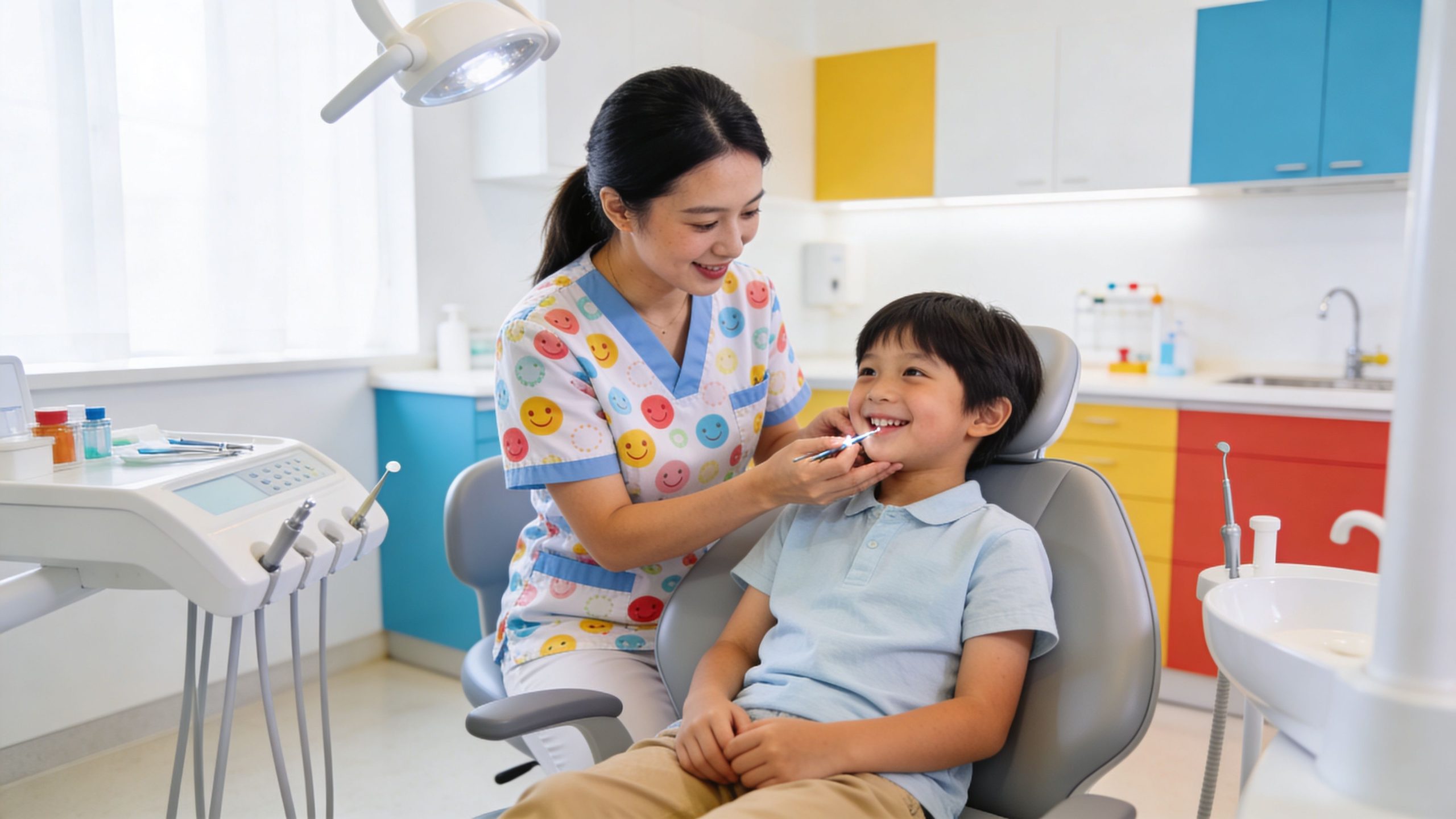
Here’s a closer look at how gentle dental care can work in practice:
What if my child is still very anxious
Some children settle once they know what will happen. Others need extra support because of sensory sensitivities, a painful tooth, or a previous difficult visit.
In those cases, we usually slow everything down. Shorter appointments, simple explanations, practice steps, and breaks can help a child build confidence. If that is still not enough, sedation options such as nitrous oxide may be discussed. Nitrous oxide can help some children relax so they can accept care without feeling overloaded.
Cost also affects decisions for many local families. Clear treatment planning matters here. If a child may need more than one visit, it helps to know the likely sequence, what can be staged, and what the fees are before you commit. At The Smile Spot, that conversation is kept practical, including package pricing where relevant, so parents are not trying to make decisions in the chair under pressure.
Common problems parents shouldn’t ignore
Book an appointment sooner if you notice any of the following:
- Tooth pain that keeps returning
- A dark spot, hole, or broken edge on a tooth
- Swelling on the gum
- Sensitivity when eating
- A child avoiding brushing one area
- A front tooth injury after a fall
Children are often very good at adapting. They may chew on one side, avoid cold foods, or stop mentioning the sore spot because they have worked out how to avoid it. That does not mean the problem has settled. It usually means they have found a workaround while the tooth still needs attention.
Handling Paediatric Dental Emergencies
Dental emergencies rarely happen at a convenient time. It’s often after school, during dinner, or right before a weekend. In that moment, parents don’t need complex theory. They need to know what counts as urgent, what to do first, and how quickly to get help.
In NSW, pressure on urgent access is real. There has been a 22% rise in emergency department visits for child dental issues and a 40% reduction in bulk-billed paediatric slots in the Inner West region, according to reporting on child dental access pressures in NSW. That’s one reason families in Dulwich Hill, Marrickville, Ashfield and nearby suburbs often try to find practices with flexible hours and dedicated emergency availability.
What counts as a true dental emergency
Some problems can wait for the next routine appointment. Others shouldn’t.
A child usually needs prompt dental advice if there is:
- A knocked-out or displaced tooth
- Noticeable swelling in the gum, face, or jaw
- Persistent toothache
- A cracked or chipped tooth with pain
- Bleeding that doesn’t settle after an injury
- Fever together with dental pain or swelling
A mild chip with no pain may be less urgent than swelling or a severe toothache, but it still deserves assessment.
First aid steps at home
The first few minutes matter because they reduce stress and can protect the tooth or surrounding tissue.
- Stay calm first. Your child will read your face before they listen to your words.
- Check for bleeding or swelling. Use a clean cloth or gauze with gentle pressure if needed.
- Rinse the mouth gently with water if there’s debris or blood.
- Use a cold compress on the cheek for bumps, swelling, or discomfort.
- Keep any broken tooth piece if you can find it, and bring it with you.
- Don’t poke the area repeatedly to “check” it. That usually increases distress.
For a knocked-out baby tooth, don’t try to push it back in yourself. For an adult tooth in an older child, call a dentist immediately for specific advice while you head in.
If your child has swelling, pain that wakes them, or a mouth injury after a fall, don’t take a wait-and-see approach for days.
Local access challenges and planning ahead
One thing Inner West families can do before an emergency happens is identify where they’d call. Keep the clinic number saved. Know which practice offers late appointments or Saturday care. If your child plays weekend sport or has a history of dental injuries, that simple bit of planning helps more than people expect.
The hardest emergency appointment to find is the one you start searching for after the injury. A clinic that already knows your child, their history, and their level of anxiety can usually guide you more smoothly through the next step.
Frequently Asked Questions About Kids' Dentistry
It is a common Inner West scene. You finally find a gap between school drop-off, work, and afternoon activities, then realise you are still unsure about the basics. Does your child need X-rays? Is it too early for a first visit? Will they panic in the chair? Good answers lower stress, and they help you make decisions before a small problem turns into a rushed appointment.
Are dental X-rays safe for children
Dentists use X-rays carefully, and only if they will change what we do next. For children, that might mean checking for decay between teeth, seeing how adult teeth are developing, or looking at an injury more clearly.
Modern clinics often use digital imaging, which keeps the process quick and targeted. At practices such as The Smile Spot, the aim is simple: get the information we need, and no more. If an X-ray is recommended, ask what question it is helping answer. That is a sensible question, not a difficult one.
What if my child is anxious before the first visit
Children usually borrow their expectations from the adults around them. If you speak about the visit the way you would speak about getting a haircut or having a school photo taken, it often feels more manageable.
Simple wording helps. You might say, “The dentist is going to count your teeth and check your smile.” Avoid warning-style phrases such as “don’t be scared” or “it won’t hurt.” Those can accidentally plant the idea that something scary is coming.
A few practical steps make a real difference:
- Book a time when your child is usually settled, such as a morning slot or after a rest.
- Bring one familiar comfort item, like a small toy or blanket.
- Keep rewards low-key, so the visit feels routine rather than something to endure.
- Choose a clinic that is used to anxious children. Gentle tools can help here. The Smile Spot offers Biolase laser dentistry, which can make some treatments quieter and less confronting for children who worry about the usual sights and sounds.
How much does kids' dental care cost
This is one of the biggest questions for families in Dulwich Hill and across the Inner West, especially when several children need care at once. Costs depend on what your child needs, but clear pricing helps you plan instead of guessing.
At The Smile Spot, the clinic offers a $240 care package that includes an exam, X-rays, scale and fluoride, and it also offers a reduced child rate. If you want a clearer sense of what to compare before booking, this guide to finding a local paediatric dentist explains what to ask about fees, appointment access, and comfort options.
When should my child see a dentist if nothing seems wrong
Earlier than many parents expect.
A first visit is usually best before pain, breakage, or fear enters the picture. Teeth can look fine on the surface and still need monitoring, especially if your child has tight contacts between teeth, a history of bumps to the mouth, or habits like bottle-feeding to sleep.
That first check is also for you. You get age-specific advice, a clearer picture of what is normal, and a plan that fits your child rather than a generic checklist.
Do I need to treat baby teeth if they’re going to fall out anyway
Usually, yes. Baby teeth work like placeholders in a bookshelf. They keep the right amount of room for the adult teeth that are coming later.
They also help with chewing, speech, sleep, and day-to-day comfort. If a baby tooth is left with decay, the problem can spread deeper and become painful quickly. Treatment is often simpler for children when we deal with issues early, while they are still small.
What if I can’t get an appointment quickly
This comes up often for Inner West families. School hours fill fast, and many parents are trying to book around work, sport, and public school schedules.
If your child is due for a routine visit, booking the next check-up before you leave the clinic usually gives you better choice of times. If your child is nervous, seeing a practice that already knows them can also make future visits easier. Familiar faces, a known room, and a team that understands your child’s pace can change the whole tone of the appointment.
If you’d like calm, practical guidance for your child’s smile, The Smile Spot welcomes families from Dulwich Hill and across the Inner West for routine care, preventive visits, and urgent appointments. If your child is due for a first check-up, has dental anxiety, or you want a clearer plan for home care and future visits, booking a consultation is a straightforward next step.