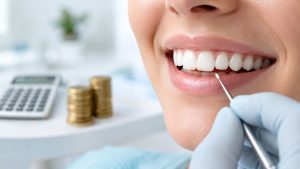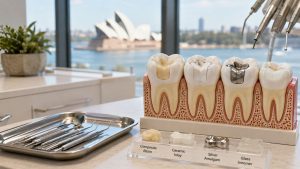
You notice it in the mirror first. A small chip on a front tooth. A gap that seems more obvious in photos than it did a year ago. A corner that catches the light differently and makes the whole smile feel uneven.
That's usually when people start searching for dental bonding before and after images. They want to know if the change will look natural, how much tooth structure is involved, and whether the result will hold up in day-to-day life.
Bonding can be an excellent option when the problem is modest and the goal is a fast, conservative improvement. It's often chosen for chips, worn edges, small gaps, shape corrections, and localised discolouration. Done well, it doesn't look like something has been “added on”. It looks like the tooth was always meant to be that way.
Your Smile Transformed What is Dental Bonding
Dental bonding uses a tooth-coloured composite resin to improve the shape, size, edge, or colour of a tooth. It's one of the most conservative cosmetic treatments available because it usually requires little to no removal of healthy tooth structure.
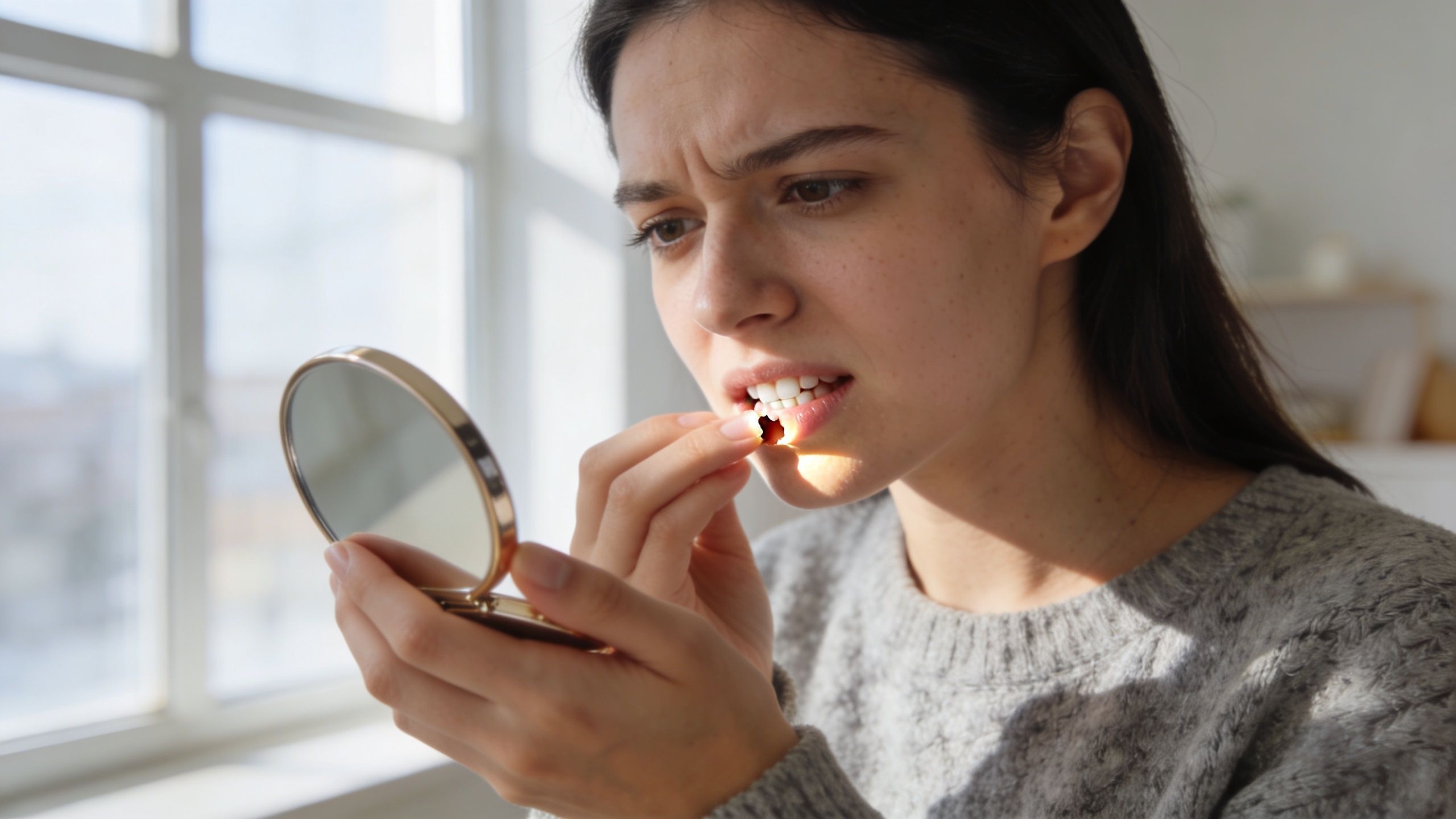
For the right patient, bonding is the simplest way to make a smile look more balanced without moving straight to veneers or crowns. It's particularly useful when the issue is small but highly visible. A chipped front tooth can draw the eye every time you speak. A narrow gap can make patients feel self-conscious even when the teeth are otherwise healthy.
Why patients often choose bonding first
Bonding is popular because it's quick, minimally invasive, and practical. In many cases, the change can be completed in one visit. It also allows very precise refinements, which matters when we're working on front teeth where half a millimetre can change the whole appearance.
Common reasons bonding works well include:
- Small chips: Rebuilding an incisal edge can restore symmetry without heavy preparation.
- Minor gaps: Composite can close selected spaces and soften dark triangles.
- Uneven shapes: Short, narrow, or worn teeth can be recontoured for better proportion.
- Localised stains: Bonding can mask areas that whitening alone won't correct.
If you're comparing treatment pathways, this overview of cosmetic dental treatment options gives useful context around where bonding sits alongside whitening, veneers, and other smile treatments.
Some readers also like seeing how other clinics explain the practical side of fees and suitability. A useful example is this guide to a Houston tooth bonding procedure and costs, especially if you want another patient-friendly explanation of what bonding can and can't do.
Bonding works best when the foundation is already healthy. It improves shape and appearance. It doesn't replace the need to address decay, gum disease, or a problematic bite first.
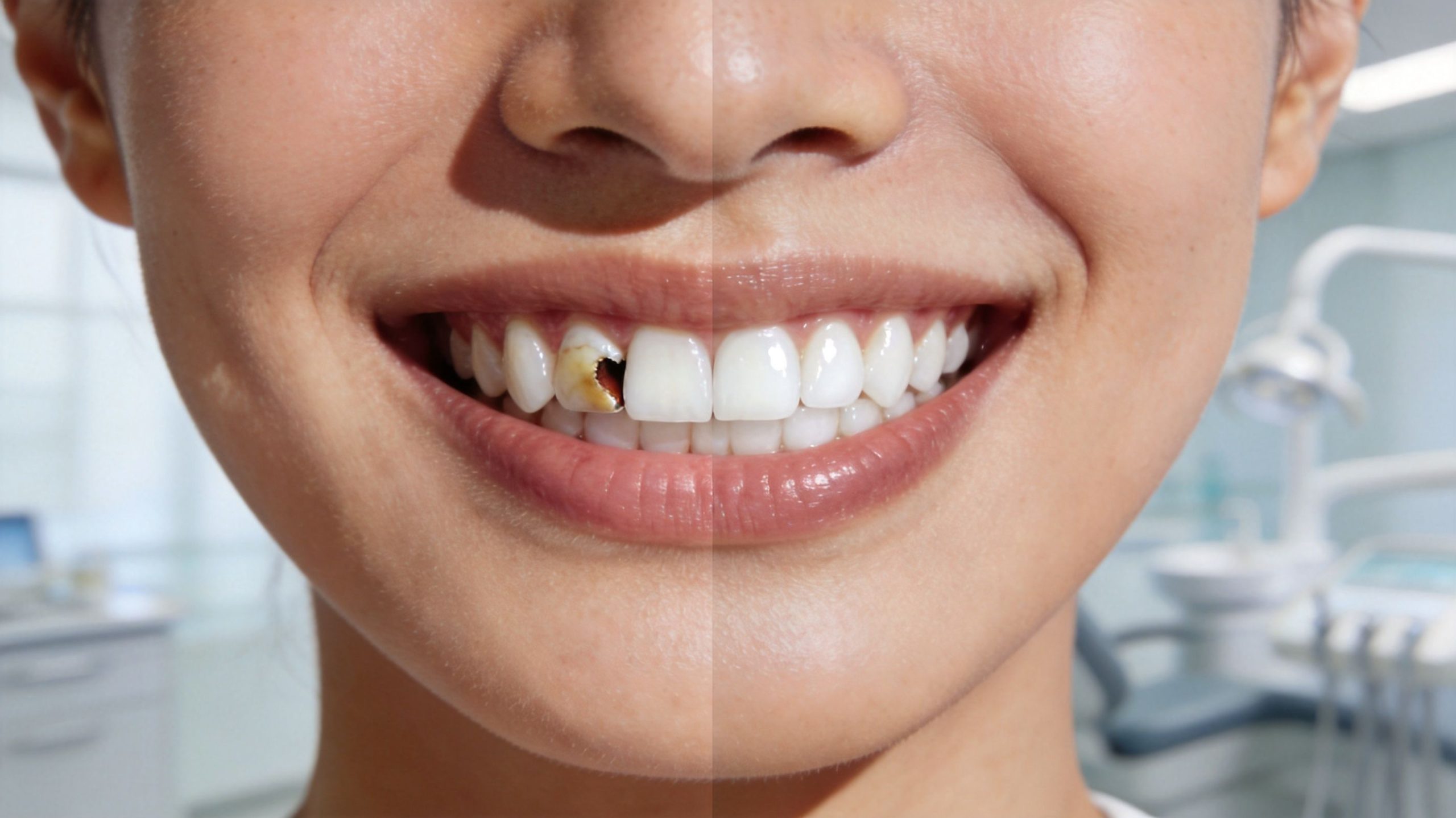
See the Results A Before and After Dental Bonding Gallery
Before-and-after photos matter because bonding is a visual treatment. Patients don't just want a repaired tooth. They want a smile that looks believable in daylight, in conversation, and in close-up photos.
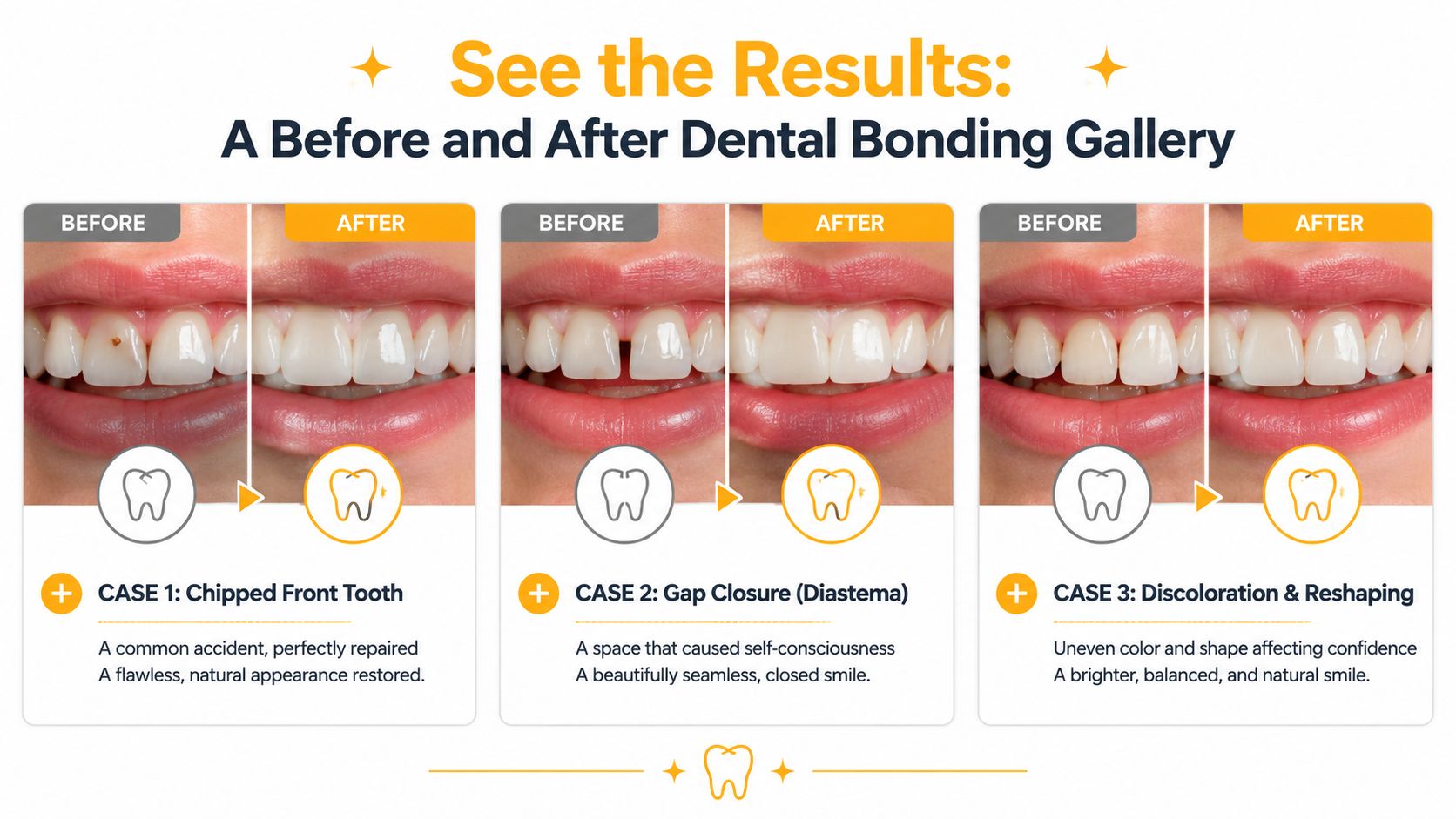
A proper gallery should show more than polished final images. It should show the kind of everyday concerns people bring to the chair.
What real smile changes usually involve
One common case is the chipped front tooth. This might come from sport, biting something hard, or old wear that has finally become noticeable. Good bonding restores the missing edge, but the essential skill is in matching the translucency and contour so the tooth doesn't look flat or bulky.
Another frequent request involves closing a small gap between front teeth. This procedure offers significant changes when the space is the first thing a patient notices in photographs. In Australian data, 90% of bonding for diastema closures under 2 mm remained intact at 3 years, though that drops to 75% at 7 years with parafunctional habits. Veneers can last longer, but they come at 3 to 5 times the cost.
A third category is reshaping uneven teeth. Sometimes the teeth are healthy, but one lateral incisor is slightly undersized or one edge has worn more than the other. In those cases, the before-and-after difference is often subtle up close and striking overall.
The part patients often talk about most
The visual improvement matters, but so does how people feel after treatment. In patient impact research summarised alongside before-and-after outcomes, 85% reported a “life-changing confidence boost” after cosmetic bonding, while 22% noted the importance of whitening first for a better shade match in this before-and-after dental bonding overview.
If you'd like to browse treatment examples in a more local format, the clinic's before and after smile gallery is the right place to start.
Some patients also appreciate broader reading on conservative cosmetic improvements. This article on minimally invasive smile correction tips is useful if you're comparing small refinements rather than a full smile makeover.
The best dental bonding before and after result is the one no one spots as dental work. People should notice the smile looks fresher, not wonder which tooth was treated.
What to Expect During Your Bonding Procedure
Most bonding appointments are more straightforward than patients expect. There's no mystery to it, and for many small cosmetic corrections, it can be a gentle, drill-free experience.
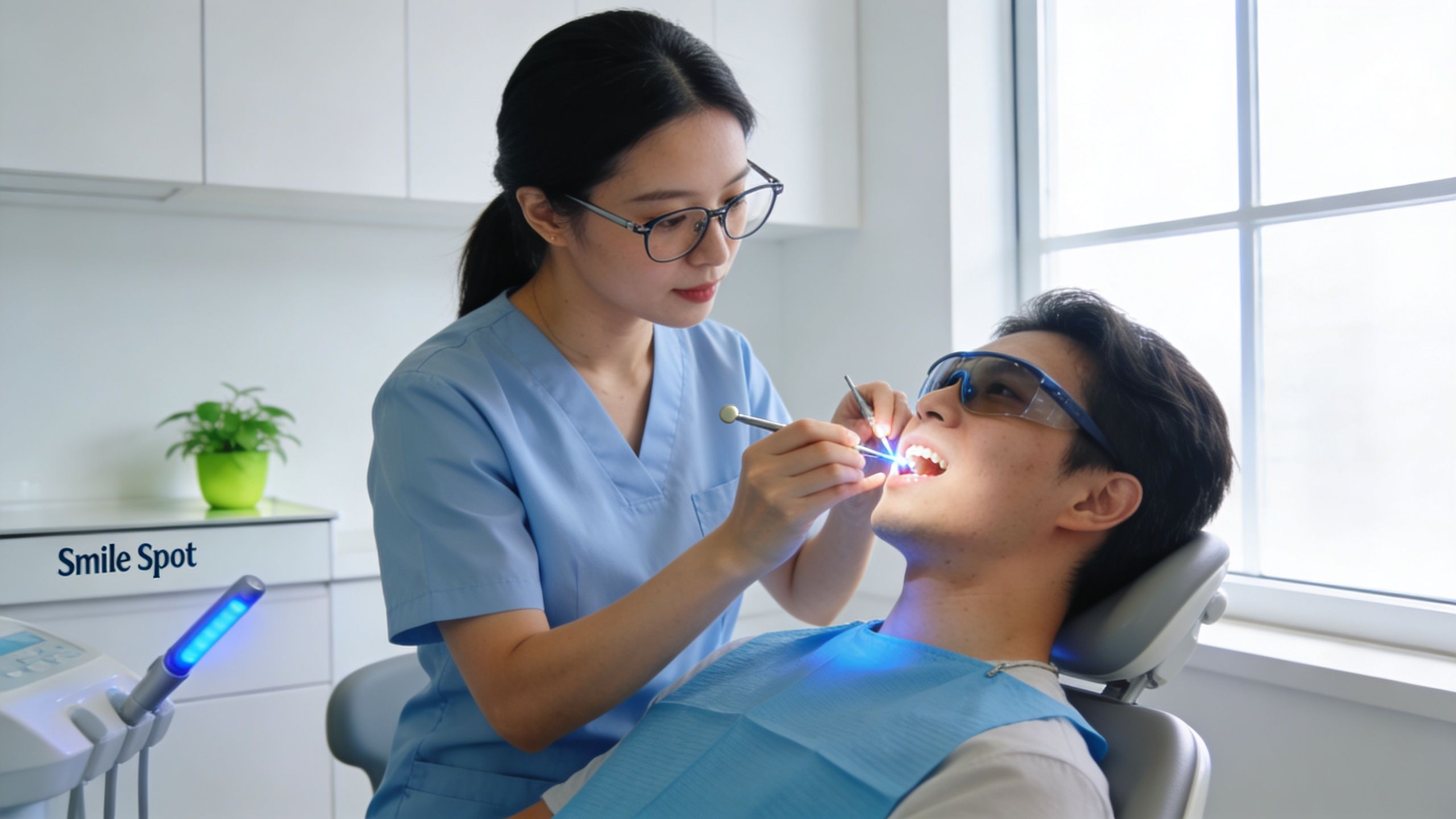
If you're anxious in the chair, it helps to know each stage before you arrive. Patients who need extra reassurance often also ask about comfort options such as nitrous oxide for dental anxiety.
Step one starts before any resin is placed
We begin by looking at the tooth in context. Not just the chip or gap itself, but your smile line, bite, lip movement, and neighbouring tooth shapes. Shade selection happens before the tooth dehydrates, because dry teeth can appear lighter than they really are.
Isolation is critical. Moisture is the enemy of a durable bond. Salivary exposure for more than 10 seconds can reduce bond strength significantly, so proper isolation and a controlled field matter far more than patients realise.
The bonding surface has to be prepared properly
The bond lasts not because the composite is "stuck on" but because the enamel is prepared in a controlled way. After isolation, the enamel is etched with phosphoric acid for 15 to 30 seconds to create microscopic pores for retention. The composite resin is then applied in thin, 2 mm layers and cured for 20 to 40 seconds each with a high-intensity LED light, minimising shrinkage and helping create a sealed margin as described in this clinical bonding guide.
In some cases, laser-assisted preparation can improve comfort and refine the surface before bonding. That can be helpful when we want precise cleaning and minimal disruption to the surrounding enamel.
Here's a short visual explainer if you prefer to see the procedure style in motion:
Shaping is where the artistry comes in
Once the resin is placed, it's sculpted to work with light, not just anatomy. The edge length, surface texture, line angles, and contour all influence whether the result blends in or looks obvious.
The final polish matters just as much as the placement. A rough or overbuilt bond attracts attention for the wrong reasons and can feel unnatural against the lip.
A typical visit often includes:
- Assessment and shade matching so the colour fits the neighbouring teeth.
- Isolation and tooth preparation to keep the field dry and improve retention.
- Layering the composite in controlled increments rather than as one thick mass.
- Curing and refining so the shape works with your bite.
- Polishing to create a natural enamel-like sheen.
If a bond looks perfect when you're lying back but bulky when you sit up and speak, it hasn't been fully finished yet. Function and appearance have to agree.
Dental Bonding vs Veneers Which is Best for Your Smile
Bonding and veneers can both improve a front tooth beautifully. They are not interchangeable.
Bonding is usually the better choice when the issue is limited and you want a conservative fix. Veneers are often the stronger long-term option when several front teeth need colour, shape, and proportion changes that go beyond a local repair.
Dental Bonding vs Porcelain Veneers at a Glance
| Feature | Dental Bonding | Porcelain Veneers |
|---|---|---|
| Best for | Small chips, minor gaps, edge wear, shape refinements | Broader smile redesign, deeper colour change, multiple front teeth |
| Tooth preparation | Usually minimal | Typically requires tooth preparation |
| Treatment time | Often completed quickly, sometimes in one visit | Usually takes multiple visits |
| Reversibility | More conservative in many cases | Less conservative due to preparation |
| Stain resistance | More prone to surface staining over time | More stain resistant |
| Durability | Good for the right case, but may need maintenance | Longer-lasting option for many patients |
| Cost | Lower upfront cost | Higher upfront cost |
When bonding is the smarter choice
Bonding suits patients who want to correct one or two visible flaws without committing to a more involved treatment. It's especially effective when the natural tooth colour is already acceptable and the surrounding enamel is healthy.
Good candidates often include people with:
- A recent chip: especially on a front tooth with otherwise good structure.
- A small gap: where orthodontics or veneers would be more than the situation requires.
- Minor asymmetry: where a tooth looks too short, narrow, or irregular.
- A cautious approach: when preserving natural enamel is the main priority.
When veneers may be worth it
Veneers start to make more sense when the cosmetic goals are broader. If several teeth are mismatched in colour, heavily worn, or irregular in a way that needs a total smile redesign, porcelain can provide a more stable and stain-resistant result.
Australian data reflects that trade-off. Bonding lasts 5 to 7 years on average, while porcelain veneers last 10 to 15 years on average. For some patients, the lower invasiveness of bonding outweighs the shorter lifespan. For others, a longer-term result is worth the extra cost and preparation.
If you're considering that route, this page on composite veneers in Dulwich Hill helps clarify where veneers fit compared with direct bonding.
It can also help to look at another visual comparison focused on damaged front teeth. This guide to veneer results for chipped teeth gives a useful contrast in how a more extensive cosmetic option presents.
The right question isn't “Which treatment is better?” It's “Which treatment matches the condition of your teeth, your expectations, and how much intervention you're comfortable with?”
Cost Durability and Aftercare for Dental Bonding
Patients usually ask three practical questions. How long will it last. What affects that lifespan. What do I need to do after it's finished.
The honest answer is that bonding is durable, but it isn't maintenance-free. It performs best when the original case selection is sensible and the patient treats it with some care.
How long bonding typically lasts
A 2024 Australian Dental Association survey of NSW dentists reported that bonding lasts 5 to 7 years on average. That's a reasonable expectation for a well-done bond in the right location, especially on front teeth under normal function.
Lifestyle matters. In the same survey, the failure rate from chipping or staining rises by 28% in patients with high-sugar diets or significant coffee consumption. That doesn't mean bonding fails quickly for everyone who drinks coffee. It means aftercare and habits make a visible difference over time.
What shortens the life of a bond
Some patterns show up repeatedly in repair appointments:
- Biting hard objects: ice, fingernails, pen lids, and food packaging are common culprits.
- Night grinding: bruxism places repeated stress on bonded edges and corners.
- Frequent staining exposure: coffee, tea, and smoking can dull the finish faster.
- Missed maintenance: small rough spots are easier to polish early than repair later.
If you already know you grind or clench, a night guard may be part of protecting the result. If you're weighing longevity against other cosmetic options, this guide on how long porcelain veneers last offers a useful comparison.
The aftercare that actually works
Bonding doesn't need complicated maintenance. It needs consistent habits.
A sensible routine includes:
- Use fluoride toothpaste: 1100 ppm fluoride toothpaste is recommended after bonding.
- Avoid abrasive whitening products at first: don't use them for 48 hours after treatment.
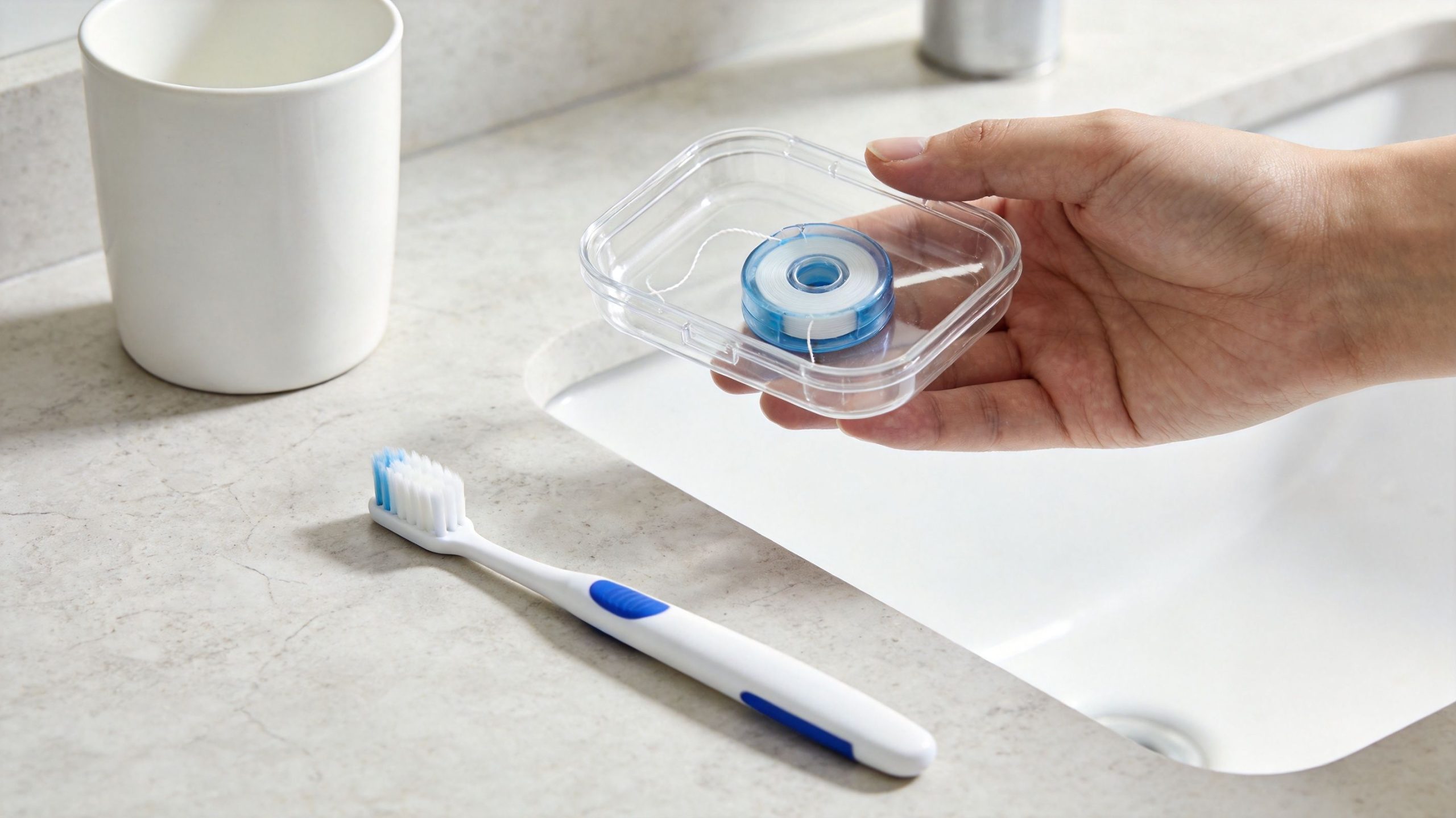
- Brush and floss carefully: plaque control protects the tooth margins and keeps the bond looking cleaner.
- Attend recall visits: regular review helps catch early chipping or staining before it becomes more obvious.
Cost sits in bonding's favour because it's one of the more accessible cosmetic treatments. But lower initial cost doesn't mean no upkeep. Bonding is best viewed as a conservative treatment with excellent visual impact and reasonable maintenance demands.
Your Dental Bonding Questions Answered
Can dental bonding be whitened
No. Composite resin doesn't whiten the way natural enamel does. If you're thinking about whitening your teeth, do that first, then have the bonding matched to the new shade.
Is bonding painful
Usually, no. Most cosmetic bonding is done on the outer tooth surface and doesn't require anaesthetic. Some patients with sensitive teeth can feel the conditioning stage, but the procedure is generally very manageable.
How do I know if bonding needs repair
Look for a new rough edge, a visible chip, staining that doesn't polish away, or a shape that no longer looks even. Small issues are often simple to smooth or repair when caught early.
Does polishing really matter
Yes. Proper polishing with fine diamond burs can achieve a surface roughness below 0.2 μm, which reduces plaque accumulation by up to 35% compared with unpolished surfaces. At the same time, the material can absorb water, and some patients see a 15 to 25% colour change after 3 years of coffee or tea exposure, which is why hygiene and professional cleaning still matter.
Is bonding always better than veneers for small problems
Not always. Bonding is excellent for conservative fixes, but it isn't automatically the best answer. If the tooth already has large restorations, heavy wear, or repeated old repairs, veneers or another restorative option may provide a more stable long-term result.
What matters most before booking
Bring clear goals. Tell your dentist what bothers you, whether it's the chip, the gap, the colour, or the symmetry. The best result comes from treating the specific concern, not from choosing a treatment by name.
If you're in Dulwich Hill or the Inner West and want honest advice about whether bonding is the right fit for your smile, book a consultation with The Smile Spot. Dr Dimitrios Thanos and the team can assess the tooth, explain the trade-offs clearly, and help you choose a result that looks natural and suits how you live.