Saturday sport starts early in Sydney. You’re packing boots, a water bottle, maybe a snack, and then that last-minute question comes up: does the mouthguard still fit, and is it protecting anything? The same kind of uncertainty happens for adults too, especially if you wake with jaw tension, sore teeth, or a guard that never quite sat properly.
A mouthguard isn’t just another item on the checklist. It’s part of preventive dental care. When it fits well, it protects teeth, gums and supporting structures during impact. When it doesn’t, people fiddle with it, remove it, or wear it half-heartedly, which defeats the point.
That’s why the search for custom mouth guard sydney should lead to a clinical decision, not a quick retail purchase. A professionally made guard is designed around your mouth, your bite, and the way you use it. Generic options might seem convenient, but convenience and protection aren’t always the same thing.
Protecting Your Smile in Sydney
For many Inner West families, the decision starts on the sideline. A child is playing rugby, AFL, hockey, basketball, or another contact sport, and the risk feels real the moment bodies collide. For other patients, the concern is less dramatic but still important. They’ve tried a pharmacy guard for clenching or sport, and it feels bulky, loose, or uncomfortable.
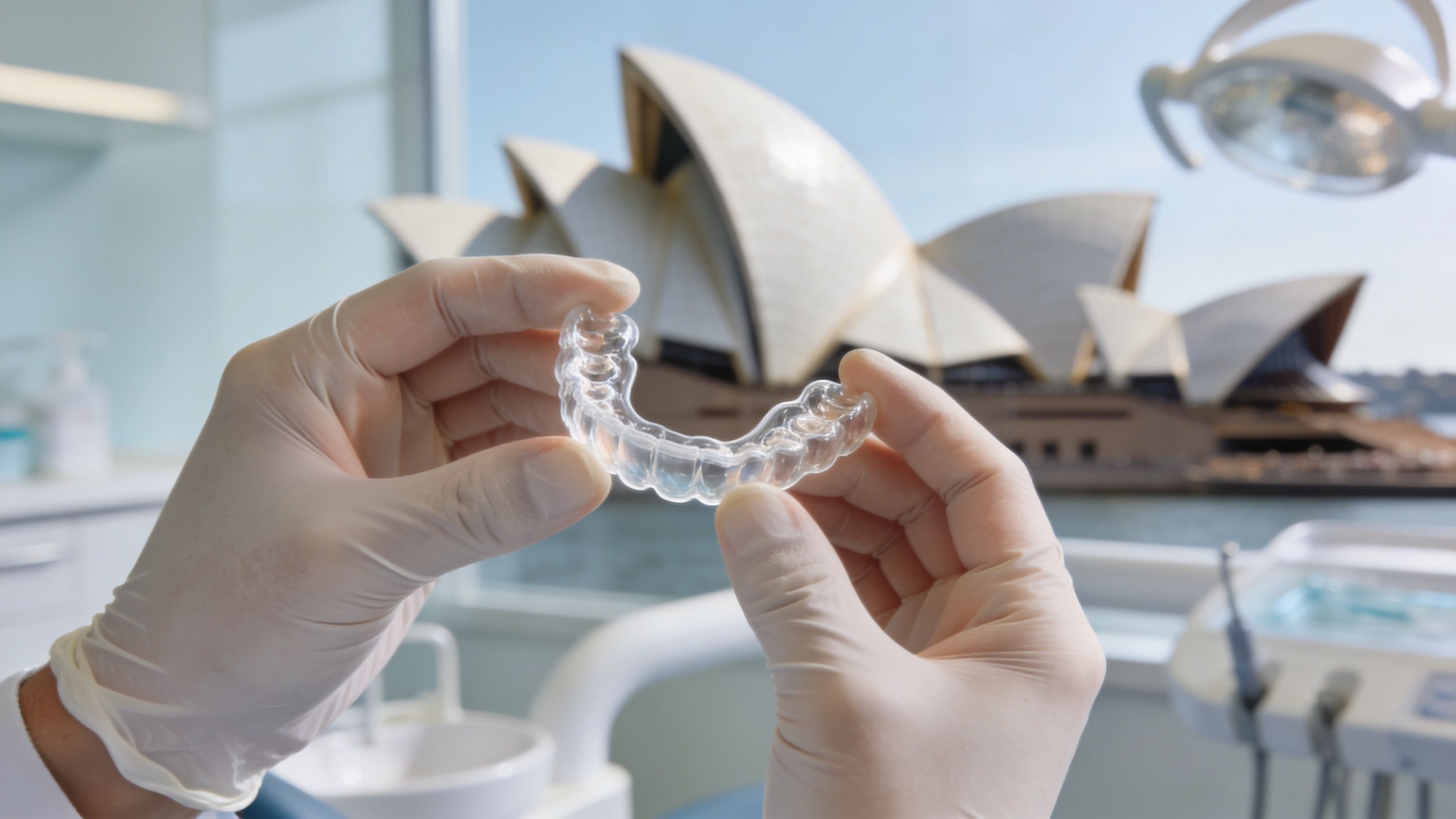
A custom-fitted mouthguard changes that conversation. Instead of forcing your mouth to adapt to a pre-formed tray, the guard is made to match your teeth and bite. That usually means better retention, better comfort, and more reliable protection when movement and impact are unpredictable.
A mouthguard only helps when the patient can keep it in place comfortably through the whole activity.
The difference matters because a slipping guard can distract an athlete, interfere with breathing, or get pushed out of position at the wrong moment. A professionally fitted option is designed to stay where it should without constant chewing or readjustment.
If you’re weighing up local options, this guide on finding mouthguards near you gives a helpful overview of what to look for in a dental provider. The key point is simple. Fit, material choice, and professional review all affect safety.
What local families usually want to know
- Will my child wear it because it feels comfortable enough for training and game day?
- Will it cover the right areas rather than just the front teeth?
- Will it need changing if teeth are erupting, shifting, or being straightened?
- Can it work alongside other treatment such as braces or recent restorative work?
Those practical questions matter just as much as the product itself.
Why a Custom Mouthguard Is Your Best Defence
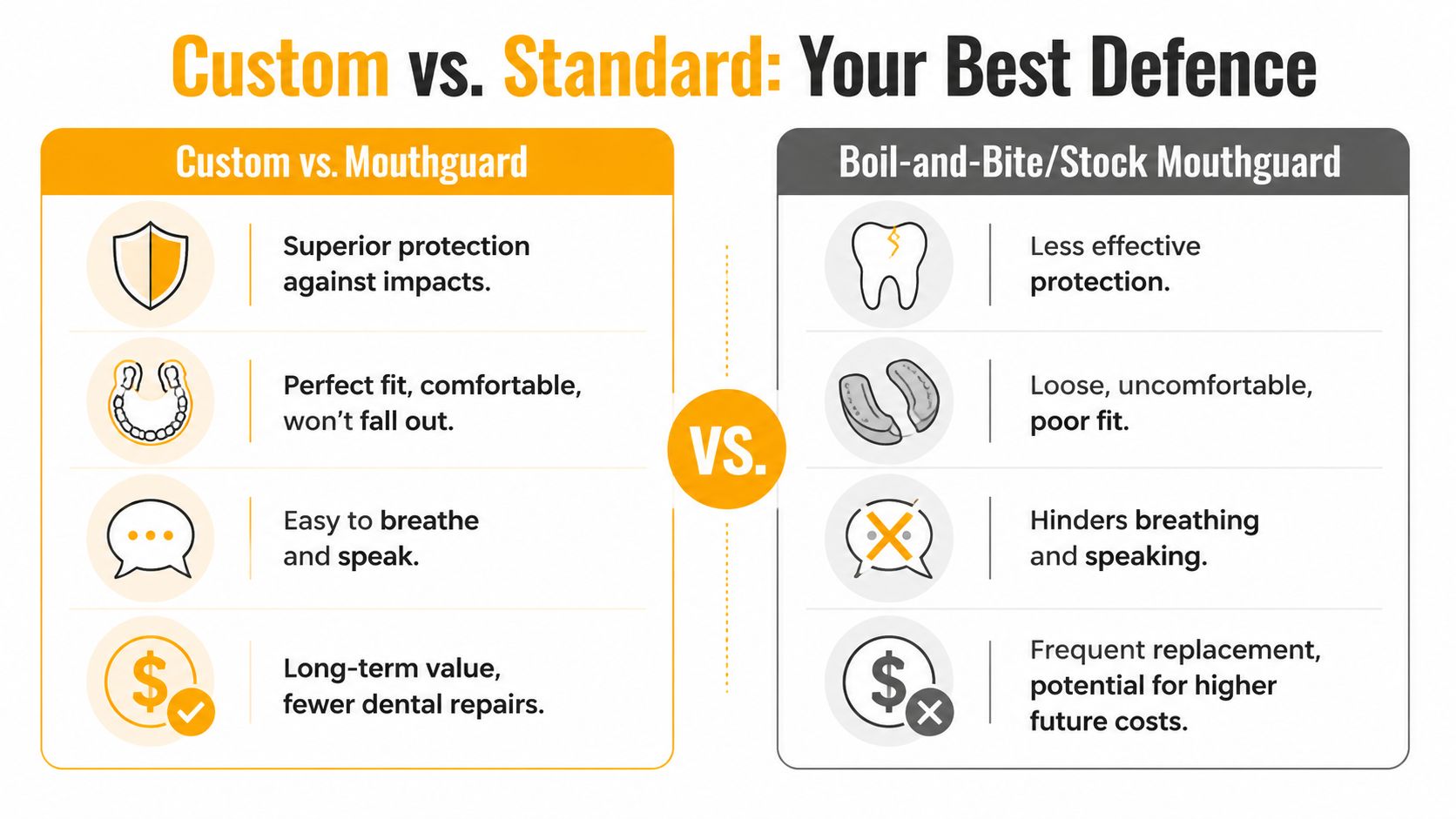
The biggest difference between a custom mouthguard and a shop-bought one is not colour, branding, or packaging. It’s engineering. Protection depends on fit, thickness, coverage, and whether the guard stays stable when the mouth is hit from different angles.
According to the Australian Dental Association NSW, 40% of dental injuries are sports-related, only 36% of Australians playing contact sports wear a mouthguard, and athletes without mouthguards are 60 times more likely to suffer a dental injury (Australian mouthguard injury data). Those figures explain why dentists push this issue so strongly. Dental trauma is common, but much of it is preventable.
What custom fabrication changes
A properly made custom mouthguard is built around the actual shape of your teeth and bite. ADA guidance for custom-made mouthguards includes specific structural features such as at least 3 mm thickness in the posterior occlusal area, coverage that extends appropriately, and balanced occlusion so the appliance stays stable under contact. ProForm Australia also notes that correctly fitted custom-made mouthguards can achieve over 90% shock absorption capacity when they efficiently reduce stress on teeth during impact (ADA-aligned custom mouthguard specifications).
That’s the practical reason custom guards perform differently. They aren’t just softer plastic. They’re designed to absorb and distribute force while remaining seated on the teeth.
Practical rule: If a mouthguard feels loose before play starts, it won’t become safer once the game gets rough.
Boil-and-bite products can be useful as a temporary fallback, but they rely on home moulding. If the material folds, thins out, or doesn’t capture the bite accurately, protection drops. Stock guards are even more limited because they’re pre-formed and not shaped to your mouth at all.
Custom vs Off-the-Shelf Mouthguards
| Feature | Custom-Fitted (Dentist) | Boil-and-Bite (Chemist) | Stock (Pre-formed) |
|---|---|---|---|
| Fit | Made from your teeth and bite | Home-moulded, variable result | Pre-formed, generic fit |
| Retention | Usually stays in place better | Can loosen or distort | Often unstable |
| Comfort | Tailored to mouth shape | Depends on moulding quality | Often bulky |
| Speech and breathing | Easier to manage when fitted correctly | May interfere if too thick or loose | More likely to feel awkward |
| Protection | Designed for full, balanced protection | Better than stock, but inconsistent | Lowest level of adaptation |
| Long-term use | Better suited to regular sport | Often treated as a short-term option | Least practical for ongoing use |
What doesn’t work well in real life
Many people assume any mouthguard is better than no mouthguard, and in a very broad sense that’s true. But poor fit creates real problems. Players chew on the guard, pull it out between drills, or stop wearing it because it feels like it affects breathing and speech. Once compliance drops, protection drops with it.
For athletes and parents wanting a broader prevention plan, these practical drills for injury prevention are a useful complement to mouthguard use. Good gear matters, but technique, warm-up habits, and contact awareness matter too.
If you want a more detailed breakdown of dental options, this article on a dentist mouth guard explains what professional fitting changes from a clinical perspective.
Who Needs a Custom-Fitted Mouthguard
Some patients know immediately that they need one. Others only realise it after a near miss, a fractured filling, a painful tackle, or weeks of jaw soreness.
Children and teens in contact sport
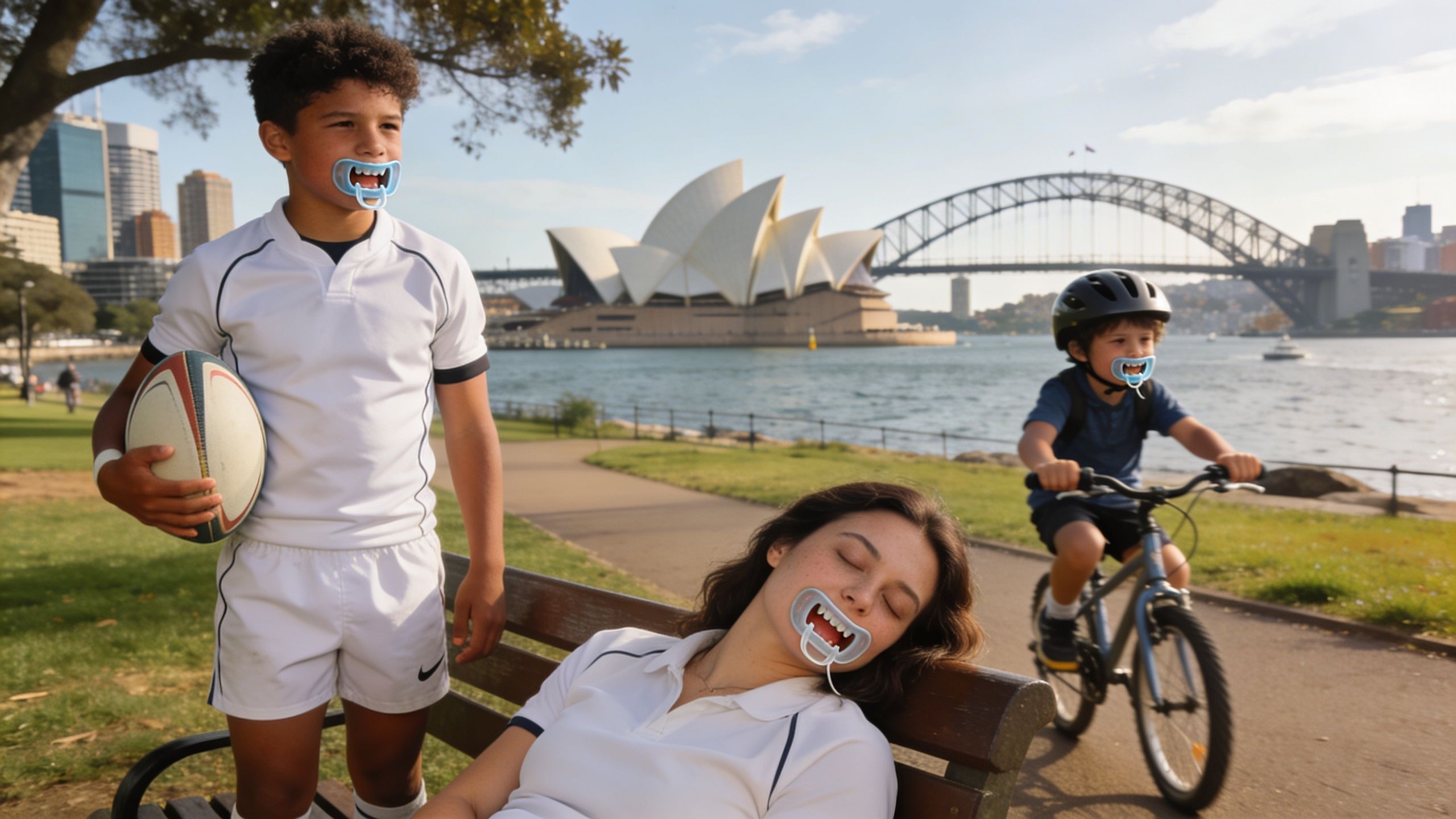
The most obvious group is school-aged patients who train and compete regularly. A child playing weekend footy, hockey, martial arts, basketball, or rugby usually needs something more dependable than a quick chemist purchase, especially if they’re active several times a week.
Parents often focus on boots, shin pads and uniforms first. That makes sense. But mouth protection belongs in the same conversation. If you’re reviewing kit for the season, this guide to young players' soccer gear is a useful reminder that safety equipment should be chosen with the same care as everything else.
For younger patients, comfort is usually the make-or-break issue. If a child says the guard is too bulky or keeps falling out, they’re less likely to use it properly. Families often start their search through a local paediatric dentist near me resource because the fitting process and follow-up need to work for growing mouths, mixed dentition, and changing routines.
Adults who play hard or grind hard
Adults also benefit from custom guards, especially those playing social sport after work or on weekends. The common pattern is an elbow, stick, ball, fall, or accidental collision that no one planned for. Dental injuries in adult sport are often chaotic rather than dramatic, but they can still involve chipped teeth, cracked restorations, or soft tissue trauma.
Another group includes adults who clench or grind, particularly under stress. A sports mouthguard and a night splint are not the same appliance, but the shared principle is custom fit. If the device is going to be worn regularly, accuracy matters.
A quick visual overview helps many patients understand where mouthguards fit into active family life:
Patients with jaw symptoms or ongoing dental work
Some people come in because their jaw clicks, feels tight, or becomes fatigued after sport or overnight clenching. Others are in the middle of braces, replacing old restorations, or planning cosmetic or restorative treatment and want to know how that affects timing.
That’s where a custom-made approach becomes more than a sports accessory. It becomes part of a broader treatment plan.
For patients whose teeth are changing, the right question isn’t just “Can I get a mouthguard?” It’s “When should it be made, and how long will this fit stay accurate?”
Your Custom Mouthguard Process at The Smile Spot
The process should be straightforward, not fiddly. Most patients want to know three things: will it be comfortable, how long will it take, and will the fit be better than what they’ve already tried.
Step one is the clinical check
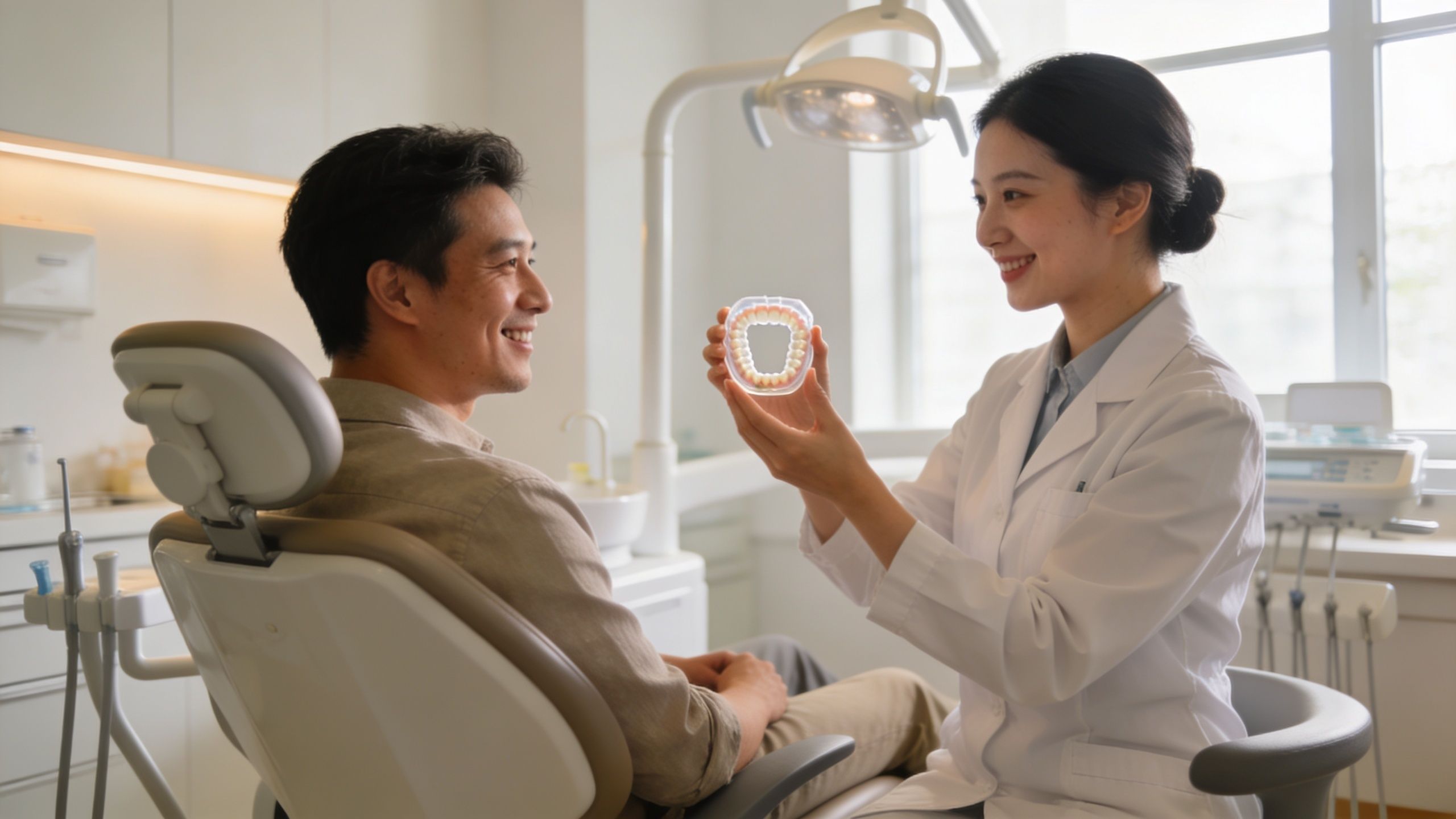
The first appointment is about suitability, not just impressions. The dentist looks at the teeth, gums, bite, existing dental work, and the reason for the guard. A child in contact sport, an adult with braces, and a patient who clenches at night may all need different design decisions.
This is also where timing matters. If a patient has loose baby teeth, erupting adult teeth, active orthodontics, recent crowns, or planned restorative work, the design and scheduling need to reflect that.
Digital scanning changes the experience
Modern Sydney dental labs use 3D digital scanning to create a precise model of the teeth, which removes the need for traditional impression trays and improves fit accuracy, particularly for younger patients or those with a strong gag reflex (digital scanning for custom-fitted mouthguards).
That’s a meaningful improvement for patients who dislike impression material. Digital records also make future reviews more practical, especially when the bite is changing.
Fabrication and fitting
After the scan, the guard is fabricated to match the planned thickness, coverage and retention requirements. At the fitting visit, the dentist checks how the appliance seats, whether the bite feels balanced, and whether the patient can talk and breathe comfortably with it in place.
A professionally fitted option should not feel like it’s floating around the mouth. It should insert securely and come out deliberately.
If a patient has to clench constantly just to keep the guard in, it isn’t fitting properly.
The Smile Spot provides custom-fitted mouthguards as part of its preventive dental care. In practice, that means the guard can be assessed alongside other treatment needs rather than treated as a separate retail item.
What patients should expect after fitting
- A short adjustment period is normal, especially for younger wearers.
- Comfort should improve quickly once the guard is used in training.
- Review matters if the fit changes, the guard loosens, or there are changes in teeth or appliances.
- Annual checks are sensible because a mouthguard that fitted last season may not fit the same way now, particularly in growing children.
Costs Health Funds and Long-Term Value
Price matters, especially for families with more than one child in sport. It’s reasonable to ask what a custom guard costs and whether that upfront spend is justified.
In Sydney, a professionally custom-fitted sports mouthguard from a dentist typically costs between $190 and $300 depending on size and design, and this level of protection can help patients avoid dental emergency costs that can be thousands of dollars (Sydney custom mouthguard pricing).
What affects the fee
A custom guard isn’t priced like a shelf product because the fee includes professional assessment, records, fabrication, fitting and material quality. Some guards also include design features such as colour choices, names, or sport-specific thickness options. Australian custom mouthguards are also made using TGA-approved materials in professional settings, which is part of what distinguishes them from over-the-counter alternatives.
For some households, private health cover may offset part of the cost. The exact rebate depends on the policy, so it’s worth checking your extras cover before the appointment.
The real question families ask
The harder question isn’t the sticker price. It’s whether a custom mouthguard saves money over time.
There’s a real information gap here. Families often ask how long a mouthguard will last, how often it needs replacing, and whether a growing child will outgrow it quickly. Current Sydney-specific information doesn’t give a precise replacement cycle, and that’s important to say clearly rather than guess.
What we can say with confidence is this:
- Growing children may need more frequent reviews because erupting or shifting teeth can change the fit.
- Adults with a stable bite often keep a good fit for longer, assuming the guard is cared for properly and not distorted by heat or damage.
- Orthodontic treatment, new restorations, and major dental changes can all trigger the need for reassessment.
- A damaged or loose guard shouldn’t be “made to do” for another season.
The safest replacement schedule is based on fit, wear, and dental changes, not wishful thinking.
Thinking beyond the upfront fee
A cheap guard can become expensive if it isn’t worn, doesn’t fit, or fails when it matters. That doesn’t mean every family needs the most elaborate design. It means the device has to match the patient’s risk, age, and dental situation.
If budget is part of the decision, it may help to review options with a clinic that discusses fees clearly. This article on dentists with payment plans near me can help patients think through affordability without delaying needed care.
Answers to Your Mouthguard Questions
Can I get a mouthguard if I have braces
Yes. For patients with orthodontics, custom mouthguards can be made to fit over braces, but the timing should be planned carefully so the guard protects the teeth without interfering with tooth movement (mouthguards for braces in Sydney).
If braces are active, don’t buy a generic guard and hope for the best. The fit needs to account for brackets, wires, and expected movement.
How do I know when it needs replacing
Replace or review it if it feels loose, causes rubbing, looks distorted, or no longer seats properly. Children and teens should be checked more closely because their mouths can change faster than adults.
Can it work with crowns, veneers, implants or other treatment
Often yes, but timing matters. If you’re mid-treatment, the mouthguard may need to be planned around temporary restorations, orthodontics, or upcoming changes to your bite. It’s better to coordinate than to make a guard too early and remake it unnecessarily.
How should I clean it
Rinse it after use, keep it in a ventilated case, and avoid heat. A proper cleaning routine matters because a poorly maintained appliance can collect odour, residue and bacteria. For simple day-to-day care, this guide on how to clean a mouth splint covers the basics well.
Can I choose colours or add personal details
In many cases, yes. Depending on the fabrication method, patients can often choose colours and certain personalisation options. That can be useful for school sport, shared change rooms, and easy identification.
If you’re looking for practical advice and a properly fitted mouthguard, The Smile Spot can help you assess the right option for sport, braces, or changing dental needs. Booking a consultation is the easiest way to check fit, timing, and whether a custom appliance is the right next step for you or your child.