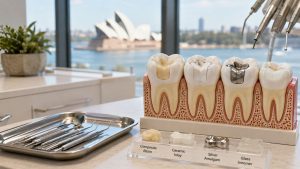
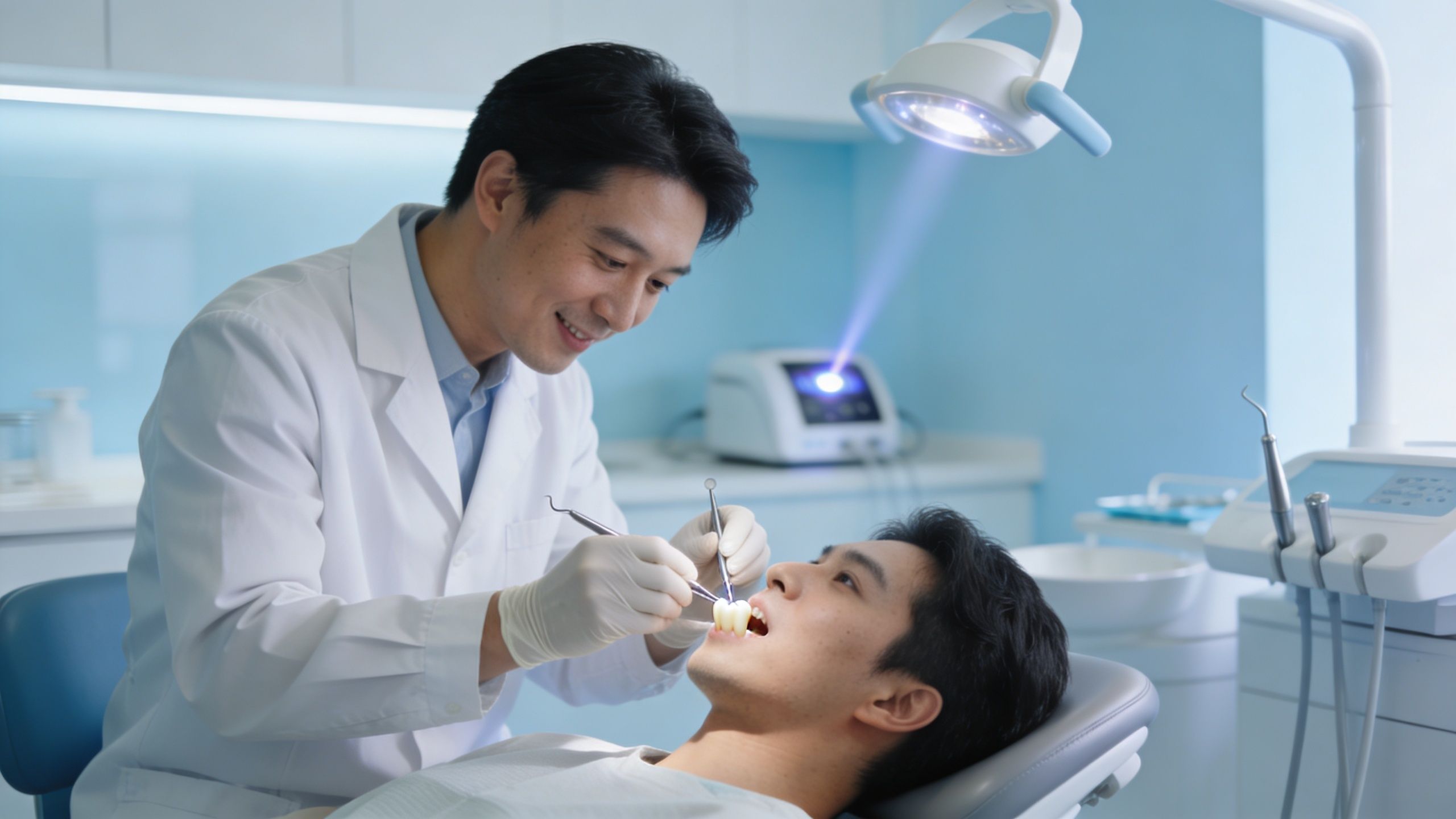
If you’re searching for molar extraction near me, there’s a good chance you’re already dealing with one of two things. Either the tooth hurts enough that you want relief fast, or your dentist has told you a back tooth can’t be saved and now you’re worried about what comes next.
That concern is normal. Molars do a lot of heavy work, and when one needs to come out, people often picture a difficult procedure and a long recovery. In practice, a well-planned extraction is usually much more straightforward than patients expect, especially when the appointment is guided by careful imaging, gentle technique, and clear aftercare.
Why You Might Need a Molar Extraction
A molar is usually removed when keeping it would cause more problems than solving it. The most common reasons are deep decay, infection, advanced gum disease, a fracture below the gum line, or a tooth that’s creating crowding or affecting nearby teeth.
In New South Wales, decay-related tooth extraction rates in the most deprived communities are nearly 3.5 times higher than in affluent areas, and 26% of Australians aged 15 and over have untreated tooth decay, which often leads to extraction, according to AIHW-linked oral health data summarised here. That matters because many painful molars don’t fail suddenly. They usually deteriorate over time until chewing, temperature sensitivity, or swelling finally forces the issue.
Common reasons a back tooth needs removal
- Severe decay: If decay has destroyed too much tooth structure, a filling or crown may no longer hold.
- Infection inside the tooth: Some molars can be treated with root canal therapy, but others are too compromised to restore safely.
- Cracks and breaks: A split molar can be painful and unstable, especially if the crack runs deep.
- Gum and bone loss: If the supporting tissues have weakened too much, the tooth may become loose or uncomfortable.
- Orthodontic or wisdom tooth issues: Space problems can sometimes make extraction the better long-term option.
If you’re not sure whether a painful molar is heading toward removal or could still be saved, this guide on signs you need a root canal can help you understand the difference.
Practical rule: Extraction isn’t a failure. It’s a treatment decision made when removing the tooth gives you the best chance of getting out of pain, clearing infection, and protecting the rest of your mouth.
When waiting makes things harder
People often put off treatment because the pain settles for a few days. That can be misleading. A molar with recurring symptoms often becomes more difficult to manage once infection spreads, the tooth breaks further, or the gum around it becomes inflamed.
That’s why local access matters. The earlier a dentist examines the tooth, the more options you usually have, even if the final recommendation is still extraction.
Simple and Surgical Molar Extractions Explained
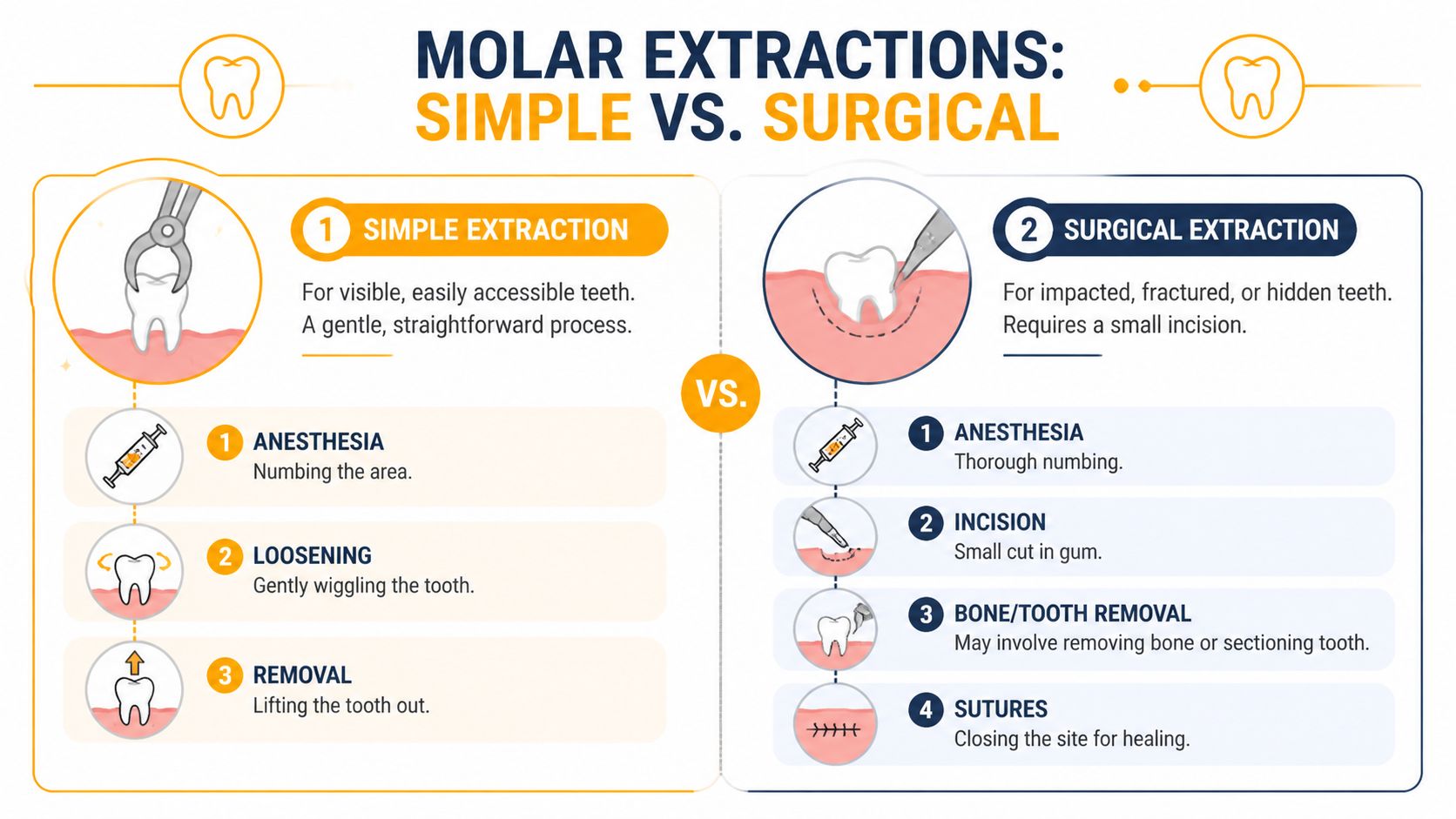
Not every extraction is the same. Some molars lift out with a relatively direct technique. Others need a more careful surgical approach because the tooth is broken, buried, or difficult to access.
A good way to think about it is this. Removing a tooth can be a bit like removing a plant. If the roots are visible and the soil around them is open, it’s often straightforward. If the roots are deep, hooked, or trapped under something solid, you need a more precise approach.
What a simple extraction means
A simple extraction is usually possible when the molar is fully visible above the gum and can be gripped securely. The area is numbed, the tooth is gently loosened, and then it’s removed.
This doesn’t mean the tooth is unimportant or the appointment is rushed. It means access is good and the tooth can come out without needing to open the gum.
What makes an extraction surgical
A surgical extraction is used when the molar is harder to reach or remove safely. That may apply if the tooth is impacted, broken at the gum line, heavily decayed, or has roots that make direct removal risky.
In that situation, the dentist may need to make a small incision, remove a small amount of surrounding tissue, or section the tooth into parts so it can be taken out with less force.
A surgical extraction sounds more serious than it often feels. For most patients, the main difference is how the dentist accesses the tooth, not whether the procedure is tolerable.
Simple vs. Surgical Molar Extraction at a Glance
| Feature | Simple Extraction | Surgical Extraction |
|---|---|---|
| Best for | Visible, accessible molars | Impacted, fractured, or difficult-to-reach molars |
| Access | Tooth is removed directly | May involve a small gum opening |
| Technique | Loosening and lifting the tooth | May include sectioning the tooth or limited bone removal |
| Anaesthesia | Local anaesthetic | Local anaesthetic, sometimes with additional relaxation support |
| Appointment feel | Usually shorter and more direct | More planned and technique-driven |
| Healing | Often simpler | May need closer aftercare and occasional sutures |
How dentists decide which type you need
The decision comes down to examination, symptoms, and imaging. A molar that looks simple from above can still have curved roots or hidden damage below the gum. On the other hand, a tooth that feels dramatic to the patient may still be removable with a straightforward technique.
What works best is precision, not force. The less unnecessary trauma during removal, the smoother the recovery tends to be.
Your Molar Extraction at The Smile Spot Step-by-Step
People often feel calmer once they know what the appointment looks like. A modern extraction visit should feel organised, measured, and predictable from the moment you sit down.
The consultation and planning stage
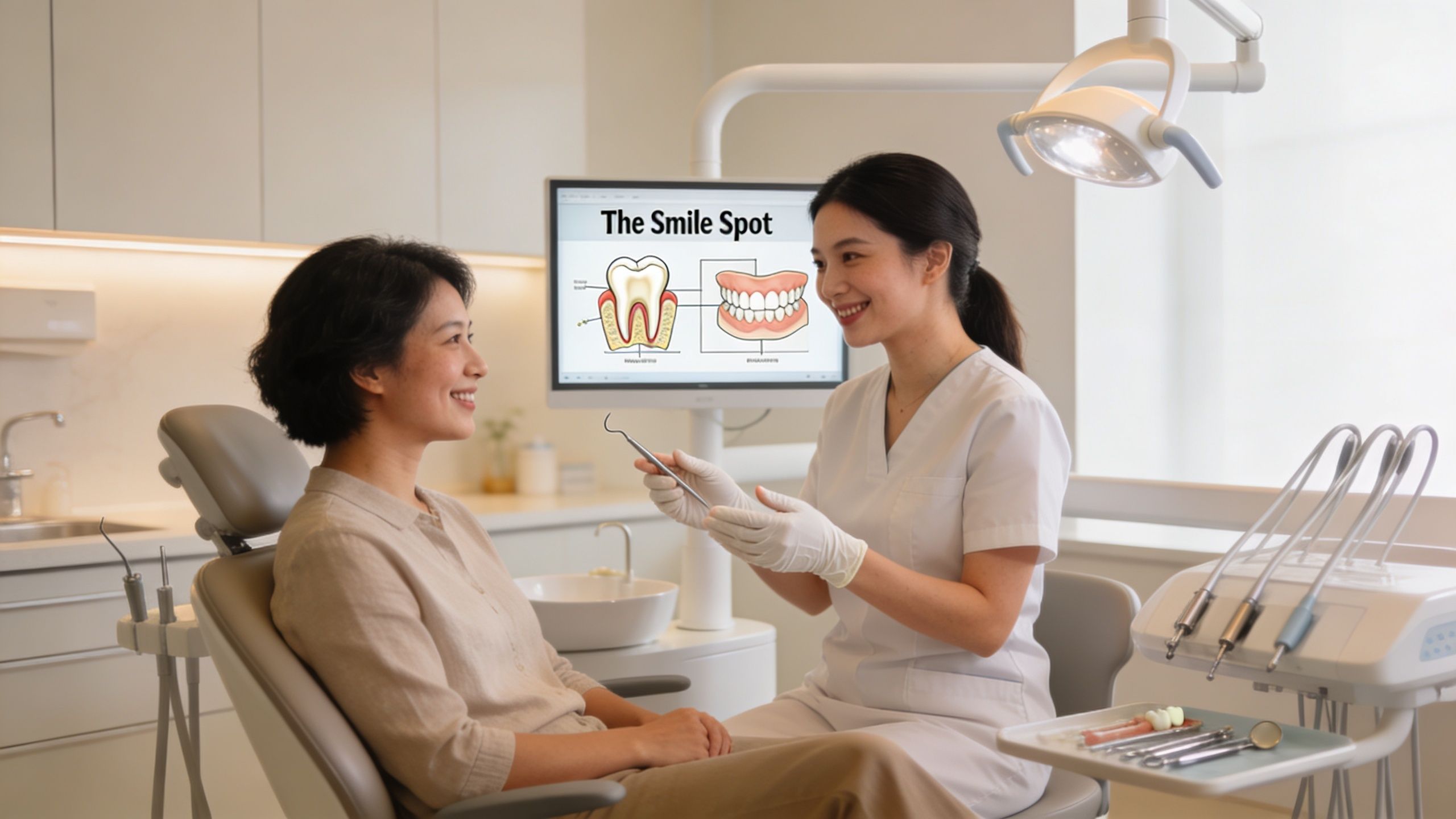
The first step is confirming whether the molar needs removal. That starts with a clinical exam, a discussion about your symptoms, and imaging to check the roots, surrounding bone, and nearby structures. With back teeth, that planning matters because molars can have complex root shapes and limited access.
At this stage, anxious patients should say so clearly. That’s not a side issue. It changes how the appointment is planned, how long is set aside, and whether comfort measures are added from the start. If dental nerves have kept you from booking treatment, reading about dental sedation near me can help you understand what supportive options may be available.
Getting comfortable before treatment
A good extraction starts before the tooth is touched. The numbing process should be unhurried, and the chair position, head support, and posture all affect how settled you feel during the procedure. Even details many patients never think about can influence comfort. These Sit Healthier dental chair insights are a useful reminder that ergonomics matter for both the clinician and the patient.
Once you’re numb, the goal is control. You may feel pressure and movement, but you shouldn’t feel sharp pain. If you do, the dentist should stop and top up anaesthetic before continuing.
The best extraction appointments are rarely dramatic. They feel methodical, quiet, and well paced.
The role of Biolase laser dentistry
For suitable cases, advanced Biolase Waterlase technology can make the process gentler. The system allows for bloodless incisions with minimal thermal damage and can reduce postoperative complications by up to 70% compared with traditional scalpel techniques. It also helps reduce dry socket from a national average of 15 to 20% to under 5%, according to this summary of laser-assisted extraction outcomes.
That matters most in the moments patients remember. There’s often less soft tissue trauma, cleaner access where needed, and a more comfortable foundation for healing. For someone who has postponed care because they feared a rough experience, that difference can be significant.
A closer look at what the procedure can involve is helpful here:
During the extraction and heading home
Once the area is fully numb and the plan is confirmed, the tooth is removed using the least traumatic technique appropriate to the case. If the molar needs to be sectioned, that’s done to reduce stress on the surrounding bone and gum. If sutures are needed, they’re placed before you leave and your aftercare is explained in plain language.
Before you head home, you should know four things clearly:
- What bleeding is normal: Mild oozing is expected at first.
- How to manage discomfort: Take the advised medication exactly as directed by your dentist.
- What to eat and avoid: Soft food and no vigorous rinsing early on.
- When to call: Increasing pain, unusual swelling, or anything that doesn’t seem right.
That kind of clarity turns the visit from something intimidating into something manageable.
Healing and Aftercare for a Smooth Recovery
Most extraction sites heal well when the blood clot is protected and the area is kept clean without being disturbed. Good aftercare is simple, but the timing matters.
Research described as a 2025 University of Sydney study reports that laser-assisted extractions can reduce postoperative pain by 47% and swelling by 30% compared with traditional methods, which is why many patients notice an easier return to normal routines after laser-based treatment, as noted in this summary of laser extraction recovery findings.

The first 24 hours
The main job on day one is protecting the clot in the socket. That clot is the body’s natural dressing. If it’s dislodged too early, healing becomes more uncomfortable.
Keep things simple:
- Bite on gauze as advised: This helps control early bleeding.
- Rest with your head raised: Lying flat can make oozing more noticeable.
- Use a cold compress on the cheek: This helps settle early swelling.
- Choose soft, cool foods: Think yoghurt, soup once it’s not hot, smoothies eaten carefully with a spoon.
Avoid spitting hard, vigorous rinsing, smoking, and poking the area with your tongue or fingers.
The next few days
From day two onward, the focus shifts to gentle cleanliness and steady recovery. Brush the rest of your teeth normally, but keep the extraction area undisturbed unless your dentist gives you specific cleaning instructions.
A few points make a big difference:
- Stick to softer meals: Chewing on the opposite side is usually more comfortable.
- Take medicines properly: Don’t wait until discomfort builds.
- Expect gradual improvement: Each day should feel a little easier, not worse.
If you’d like a more detailed home-care guide, these wisdom teeth removal recovery tips are also useful for molar extraction recovery because many of the same healing rules apply.
If pain sharply worsens after an initial improvement, don’t try to tough it out. Call the clinic and get advice.
Warning signs that need review
Some tenderness, swelling, and jaw stiffness can be normal. What isn’t normal is a recovery trend that clearly moves in the wrong direction.
Contact your dentist if you notice:
- Increasing pain after the first couple of days
- Persistent bad taste or odour from the site
- Swelling that keeps building
- Fever or feeling unwell
- Bleeding that doesn’t settle with firm pressure
While these problems are uncommon, knowing what to watch for makes recovery less stressful.
Molar Extraction Costs and Health Fund Information
Cost matters, and most patients want a straight answer before they commit to treatment. For a single molar extraction, the local range is about $200 to $600 depending on complexity, according to this overview of extraction costs and complication rates. A simple extraction generally sits at the lower end, while a surgical removal is usually higher because it takes more time, planning, and technique.
The most accurate quote comes after an examination. That’s because the fee depends on what the dentist finds, not just where the pain is. A molar that appears straightforward can turn out to have difficult roots, deep fracture lines, or access issues that change the procedure.
What affects the final cost
The main variables are usually:
- Procedure complexity: Simple and surgical extractions are not priced the same.
- Imaging and assessment: X-rays are often needed to plan the safest approach.
- Comfort support: Some patients need additional measures to make treatment manageable.
- Follow-up needs: Occasionally a case needs closer review after removal.
There’s also a quality question behind the fee. The same source notes that postoperative complications occur in about 10% of cases in Australia, which is one reason technique and planning matter, not just price.
Health funds and payment options
If you have private health cover, it’s worth checking your extras policy before the appointment so you know what level of dental treatment is included. Many clinics can process claims on the spot through HICAPS, which makes things easier on the day.
If cost is the main reason you’ve delayed care, it’s worth looking at options before the problem becomes more involved. This guide to dentists with payment plans near me is a practical place to start.
Cheapest and best aren’t always the same thing with extractions. Clear fees, careful assessment, and a lower-risk technique often save trouble later.
Book Your Molar Extraction in Dulwich Hill & Inner West
If you’ve been putting off treatment, the best next step is simple. Get the tooth assessed before pain, swelling, or breakage leaves you with fewer options. A prompt review can tell you whether the molar can still be restored or whether removal is the safer path.
For people searching molar extraction near me in the Inner West, local convenience matters as much as clinical skill. Being able to book close to home or work makes it easier to deal with pain quickly and easier to return for review if needed. That’s especially helpful for families, commuters, and anyone trying to fit urgent dental care around a full week.
Local care for Inner West patients
Patients in Dulwich Hill, Marrickville, Earlwood, Ashfield, Petersham, Summer Hill, Lewisham, and Hurlstone Park usually want the same things. They want clear advice, a gentle approach, and appointment times that don’t create more stress than the tooth already has.
If you’re looking for a local clinic, you can see the practice details for The Smile Spot in Dulwich Hill.

When to book now rather than later
You shouldn’t wait if you have a molar that is:
- Keeping you awake at night
- Painful to bite on
- Swollen around the gum
- Broken and sharp
- Repeatedly flaring up after settling down
Those patterns usually don’t fix themselves. They tend to become more urgent, more uncomfortable, and more disruptive.
A well-managed extraction should feel calm, not chaotic. With careful diagnosis, modern equipment, and a strong focus on comfort, treatment is often much easier than people fear when they first start searching for help.
If you need calm, experienced care for a painful or damaged molar, The Smile Spot provides family dental treatment in Dulwich Hill with gentle techniques, advanced technology, and practical appointment options for Inner West patients.