You're probably here because life is busy. School drop-offs, work, sport, family meals, and the small jobs that keep a household moving can make a dental visit feel easy to postpone, especially when nothing hurts yet.
That's exactly where preventive dental care matters most. It's the quiet, steady kind of care that helps you avoid pain, protect your teeth, and keep small issues from turning into larger ones.
What Is Preventive Dental Care?
Preventive dental care means looking after your teeth and gums before problems become painful, complex, or costly. It includes what you do at home each day, and what your dentist checks and supports during routine visits.

A simple way to think about it is this. Restorative treatment repairs damage that has already happened. Preventive care aims to reduce the chance of that damage happening in the first place.
The need for that approach is clear. The World Health Organization estimates that oral diseases affect nearly 3.7 billion people globally, and untreated tooth decay in permanent teeth is the world's most common health condition (World Health Organization oral health fact sheet). That tells us something important. Prevention isn't only about avoiding a cavity. It's about reducing the burden of a very common chronic health problem before it develops into pain, infection, or more involved treatment.
Prevention is a partnership
Many people hear “preventive care” and think of a list of chores. Brush. Floss. Go to the dentist. Repeat. But that view misses the fundamental idea.
Preventive care works best as a partnership between you and your local dental team. You handle the daily habits. Your dentist watches for the things you can't easily see, such as early decay between teeth, gum inflammation, wear from grinding, or weak spots in the enamel.
Practical rule: The best time to treat a dental problem is before it feels like a problem.
That's why a routine visit is useful even if your mouth feels fine. A scale and clean removes build-up you can't fully remove at home, and an exam helps spot changes early. If you'd like a plain-language overview of what usually happens at a routine appointment, this guide on a check-up and clean is a helpful starting point.
What prevention looks like in everyday life
For one person, prevention might mean fluoride support and careful monitoring of old fillings. For a child, it may mean teaching brushing habits and protecting deep grooves in back teeth. For someone with sensitive teeth, it could include diet advice, enamel protection, and reviewing brushing technique.
If you've ever wondered how enamel can repair itself in the very early stages of damage, Mouthology's guide to enamel health explains remineralisation in a clear, patient-friendly way.
Preventive care is not about perfection. It's about staying organised, getting support early, and making sensible choices often enough that your smile stays healthier for longer.
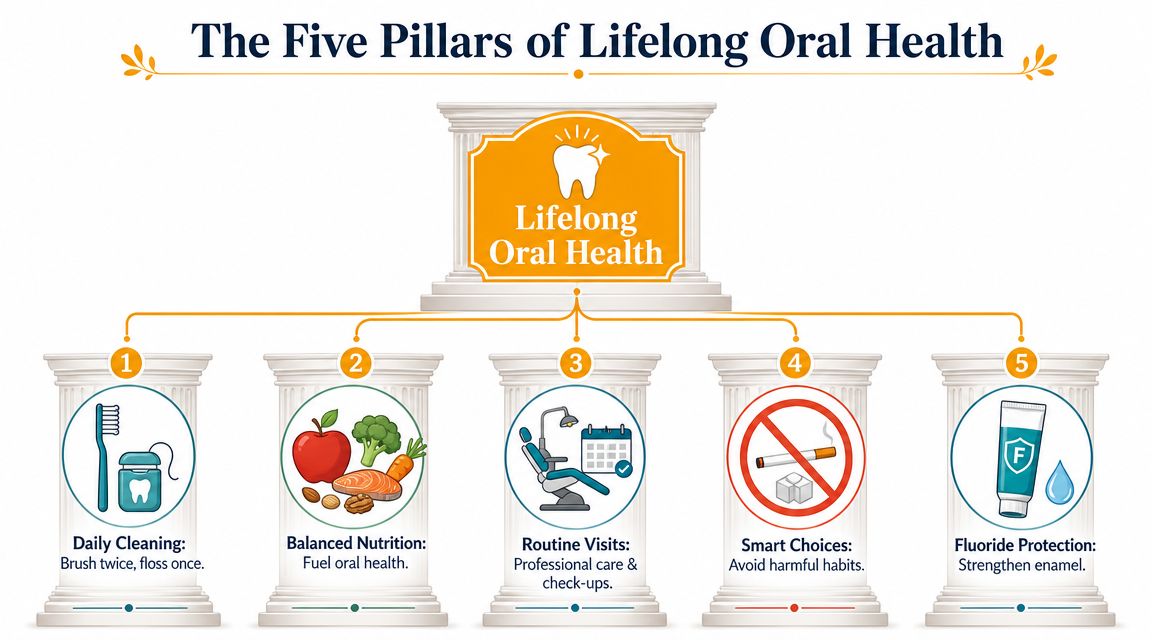
The Five Pillars of Lifelong Oral Health
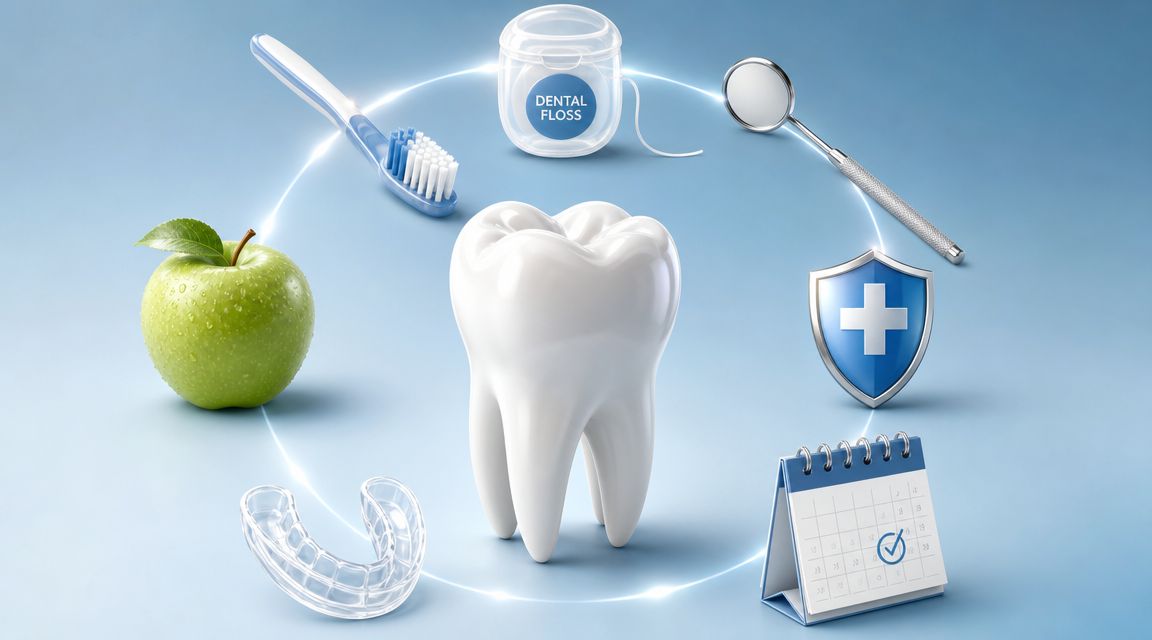
A healthy mouth usually doesn't come from one big decision. It comes from several smaller habits and protective steps working together over time.
Professional care
Home care does a lot, but it doesn't do everything. Professional visits help remove hardened build-up, assess the gums, check for early decay, and review changes that may not cause symptoms yet.
Many people find this point confusing. If your teeth feel clean and you're brushing well, it can seem like a visit is optional. In reality, routine care adds a second layer of protection because it combines cleaning, examination, and personalised advice.
Proactive treatments
Some preventive measures give extra protection when risk is higher. Fluoride is the clearest example.
Australian public-health guidance notes that water fluoridation reduces tooth decay by roughly 26% to 44% in children and adolescents (Australian cavity prevention statistics summary). That doesn't mean fluoridated water replaces brushing or dental visits. It means prevention works best in layers.
A dentist may recommend:
- Fluoride varnish for children or adults who get decay more easily
- Fissure sealants for deep grooves in molars
- Risk-based review plans if someone's decay pattern or habits raise concern
At-home hygiene
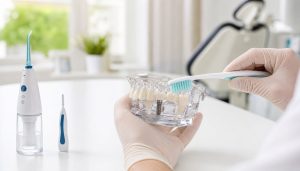
This pillar sounds obvious, but technique matters as much as effort.
Fundamental preventive dental care includes:
- Brush twice daily with fluoride toothpaste so the teeth get regular fluoride exposure
- Clean between the teeth because a toothbrush doesn't reach every contact point
- Be gentle at the gumline since scrubbing hard can irritate gums and wear tooth surfaces
- Stay consistent because plaque forms daily, not only when life feels calm
Here's a useful visual explainer on daily care and prevention:
Protective gear
Not all dental problems come from decay. Some happen in one second on a sports field, a court, or at training.
A custom-fitted mouthguard helps protect teeth, lips, and jaws far better than trying to “be careful” or relying on a loose over-the-counter guard. If someone in your family plays contact or ball sports, this guide to mouthguards near me explains why proper fit matters.
A chipped front tooth from sport often feels sudden. The prevention happens long before the game starts.
Diet and lifestyle choices
What you eat and drink, how often you snack, and habits such as grinding or smoking all affect your mouth. Teeth cope better with fewer acid attacks than with frequent sipping and grazing through the day.
Try to keep this pillar practical:
- Choose water often to rinse the mouth and support a healthier oral environment
- Keep sugary or acidic drinks occasional rather than constant
- Avoid using teeth as tools for opening packets or biting hard objects
- Mention clenching or grinding if you wake with jaw tension or headaches
These five pillars support each other. If one is weak, the others help. If several are strong, your mouth has a much better chance of staying stable for years.
Preventive Care for Every Age and Stage
The mouth changes as people grow, and preventive care should change with it. A toddler learning to brush has different needs from a teenager with erupting molars, an adult managing gum health, or an older person dealing with dry mouth or worn teeth.
One useful lesson from public-health data is that preventive visits can slip even when they matter most. Recent benchmark data found that 25% of children missed preventive dental care in the past year, down from 80% receiving it previously to 75%, and 23% of children had teeth that were not in very good or excellent condition (KIDS COUNT report on missed preventive dental care). The figures are U.S.-based, but the message is relevant everywhere. When routine care drops, oral health can worsen.
Children
For children, the focus is habit-building and early protection. Parents often ask whether baby teeth matter if they'll fall out anyway. They do. Baby teeth help with eating, speech, comfort, and guiding adult teeth into place.
A child's preventive plan may include:
- Brushing support because young children usually need hands-on help
- Fluoride advice based on age and decay risk
- Monitoring molars because deep grooves can trap plaque easily
- Sealants when appropriate to protect vulnerable chewing surfaces
If you'd like a closer look at one of the most useful protective options for children's back teeth, this article on fissure sealant dental care explains when and why dentists recommend them.
Teenagers
Teen years bring a different mix of risks. Diet can become less predictable, sport can increase the chance of dental trauma, and oral hygiene often becomes rushed.
Teens may also need monitoring for:
- Emerging wisdom teeth
- Orthodontic cleaning challenges
- Grinding and jaw tension during stressful periods
- Enamel wear from sports drinks or acidic beverages
For this age group, prevention often works best when it stays simple and realistic. Better a repeatable routine than an ambitious one that lasts three days.
Adults and seniors
Adults often shift from cavity prevention alone to a wider view that includes gums, old dental work, cracked teeth, and wear from clenching. Seniors may add concerns such as dry mouth, gum recession, bridge or denture maintenance, and increased sensitivity around exposed root surfaces.
What changes with age isn't the value of prevention. It's the type of prevention that matters most.
Here's a simple guide to how preventive care commonly changes over time.
| Age Group | Key Focus | Recommended Visit Frequency | Common Preventive Services |
|---|---|---|---|
| Children | Building habits, protecting new teeth, reducing early decay risk | Based on individual risk and your dentist's advice | Exams, cleans, fluoride, fissure sealants, brushing guidance |
| Teenagers | Managing hygiene, sport protection, monitoring eruption changes | Based on individual risk and your dentist's advice | Exams, cleans, fluoride, sealants, mouthguards, wisdom tooth monitoring |
| Adults | Gum health, decay prevention, checking wear and old dental work | Based on individual risk and your dentist's advice | Exams, cleans, fluoride, bite assessment, night guard discussion if needed |
| Seniors | Dry mouth support, gum care, root surface protection, maintenance of existing dental work | Based on individual risk and your dentist's advice | Exams, cleans, fluoride, denture or implant maintenance, sensitivity management |
The main idea is simple. Good preventive dental care isn't one fixed schedule for everyone. It's care that matches the stage of life you're in and the risks you have.
When Your Smile Is Sending a Signal
A lot of people wait for strong pain before they book. That's understandable, but teeth and gums often send quieter signals first.
Someone notices their gums bleed a little when flossing and assumes they've flossed too hard. Another person starts avoiding cold water on one side of the mouth and tells themselves it's “just sensitivity”. A parent spots a child chewing on one side only, but because there's no complaint, the family waits.
Common signals people ignore
These signs don't always mean something serious, but they do mean your mouth deserves attention:
- Bleeding gums that happen more than once
- Tooth sensitivity to cold, sweets, or brushing
- Persistent bad breath even after cleaning your teeth
- Food trapping in the same spot repeatedly
- A clicking or sore jaw when eating or waking
- A rough edge or small chip that wasn't there before
Sometimes the issue is simple. Sometimes it's the early stage of decay, gum disease, enamel wear, or a cracked tooth. What matters is not diagnosing it yourself and hoping it settles.
Why early checks matter
When symptoms are mild, treatment is usually calmer and more conservative. You have more options. You also have a better chance of avoiding a sudden flare-up at the worst possible time, such as before travel, during exams, or before a major family event.
Small symptoms deserve small investigations. That's how they stay small.
If something feels different, even if you can't describe it neatly, it's worth having it checked. “It doesn't feel right” is a perfectly reasonable reason to book a visit.
Navigating the Costs of Preventive Care
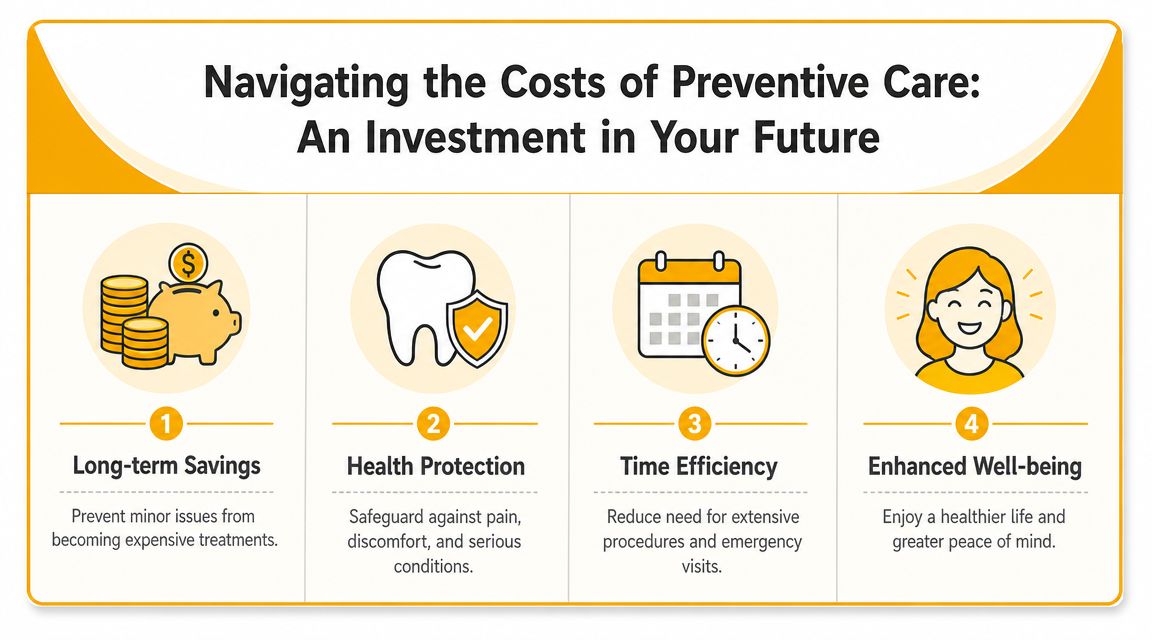
Cost is one of the biggest reasons people delay dental visits. That delay often makes sense in the short term, especially when there are many competing expenses, but it can work against you later if a manageable issue becomes a larger repair.
Why prevention is usually the more economical path
Preventive care spreads oral health costs into smaller, planned appointments. It also gives your dentist a chance to spot trouble before it turns into treatment that takes more time, more visits, and more recovery.
Australian oral-health strategy increasingly supports risk-based prevention, where recall intervals and treatments are adjusted to a person's decay risk rather than using the same schedule for everyone, and this approach is described as more cost-effective in oral-health policy discussions (oral health disparities and risk-based prevention). In practical terms, that means a low-risk patient may not need the same preventive package as someone with repeated decay, dry mouth, or gum problems.
Looking at value, not only the fee
A routine preventive visit often includes more than “just a clean”. Depending on your needs, it can involve an examination, professional cleaning, X-rays, fluoride, gum assessment, and a conversation about risks that are specific to you.
For patients comparing options, dentists with payment plans near me is worth reading if you want a clearer picture of how dental costs can be managed over time.
One practical example in Dulwich Hill is The Smile Spot, which offers a $240 preventive care package that includes an exam, X-rays, scale, and fluoride. For many people, that creates a straightforward entry point back into care, especially if it's been a while since their last visit.
Questions worth asking before you book
Instead of asking only “How much is a clean?”, ask:
- What's included in the visit?
- Will X-rays be taken if needed?
- Is fluoride part of the appointment?
- Can the recall plan be adjusted to my risk rather than fixed by habit?
- Do you accept my private health fund?
Most private health funds provide benefits for preventive services, and checking those details ahead of time can make the cost feel much less uncertain. Good preventive care isn't about spending blindly. It's about paying attention early, with a plan that fits your needs.
Your Partner in Preventive Care in Dulwich Hill
Prevention works better when care is easy to access. If appointments are hard to book, hard to attend, or stressful to get through, people put them off. That's human nature.
Access matters in oral health more than many people realise. Reporting on Australian oral-health inequity has highlighted that people in regional and remote areas have worse outcomes than metropolitan residents, with 16% of adults aged 15 and over having untreated decay and 29% experiencing severe tooth loss, alongside persistent access barriers (report on dental health access in underserved communities). Even in metro areas, convenience still affects whether families keep up with care.
What local partnership looks like
For Inner West households, a good preventive relationship usually comes down to a few practical things:
- Appointments that fit real life, including after-work or weekend options
- A full-service clinic so routine care and follow-up can happen in one place
- A gentle approach for children, anxious patients, and anyone returning after a long gap
- Modern tools that can make care more comfortable and less invasive
Laser dentistry can be part of that conversation for some patients. Biolase laser technology, for example, may support more conservative treatment in selected situations. For people who feel nervous in the chair, comfort features matter just as much as the treatment itself.
Why familiarity helps
A local dentist who gets to know your mouth over time can often spot small changes more easily than a one-off emergency visit can. They see your history. They know whether a worn edge is new, whether a gum area has changed, or whether a child's cleaning has become harder.
If you're looking for a practice focused on care across different ages and stages, this guide to finding a family dentist near me may help you think through what matters most for your household.
Preventive care is never just a treatment list. It's an ongoing relationship built on trust, access, and consistency.
Your Preventive Care Questions Answered
Are dental X-rays really necessary?
Sometimes, yes. Your dentist can only see part of the picture with the naked eye. X-rays help detect problems between teeth, under fillings, around roots, or in bone levels that may not be visible during a standard exam. They're recommended based on need, not as an automatic extra for every person at every visit.
I get anxious at the dentist. What should I do?
Tell the team before your appointment starts. That one step helps more than people expect. Gentle communication, slower pacing, breaks during treatment, and options such as sedation can make preventive visits much easier.
If you've been avoiding care because of anxiety, you don't need to “push through” alone. Say it early, and let the team adjust around you.
What if it's been years since my last visit?
You can still start now. Dentists see this every day, and a good practice won't judge you for the gap. The first visit is usually about understanding where things stand, settling any immediate concerns, and making a realistic plan.
Do I really need preventive care if nothing hurts?
Yes. Many dental problems begin unnoticed. Preventive visits help catch early changes before they become painful or disruptive.
Is every person meant to come in on the same schedule?
No. Some people need closer monitoring, while others can follow a less frequent plan. The right recall interval depends on your risk, your history, and what your dentist sees clinically.
If you'd like calm, practical support with preventive dental care in the Inner West, The Smile Spot offers family-focused care in Dulwich Hill with online booking, convenient hours, and a gentle approach that helps make staying on top of your oral health feel manageable.