You've probably seen it already. A reel showing lemon juice on a toothbrush, a post praising charcoal powder, or a friend saying coconut oil “worked wonders”. If you're searching for teeth whitening natural options, the goal usually isn't complicated. You want a brighter smile, you'd prefer something gentle, and you don't want to damage your teeth getting there.
That instinct makes sense. It is generally preferred to start with the simplest option first.
The problem is that “natural” isn't the same thing as “safe”, and it definitely isn't the same thing as “effective”. In dentistry, the key question isn't whether a remedy came from a pantry or a chemist. It's whether it can lift stain without scratching enamel, irritating gums, or creating the kind of wear that makes teeth look more yellow later.
The Truth About Natural Teeth Whitening
Interest in DIY whitening is enormous, but Australian dental guidance is consistently cautious. Popular methods such as activated charcoal and acidic fruit applications can harm enamel rather than whiten teeth safely, and claims for natural whitening are considered weak unless they involve gentle maintenance rather than aggressive home remedies, as outlined in this overview of natural whitening claims and enamel risk.
That warning exists for a clinical reason. Teeth can look darker for two very different reasons, and each needs a different approach.
Surface stains versus tooth colour
Surface stains sit on the outer enamel. Coffee, tea, red wine, smoking, and plaque build-up are the common culprits. Some natural methods can help reduce these stains a little, especially when they improve cleaning rather than trying to “bleach” the tooth.
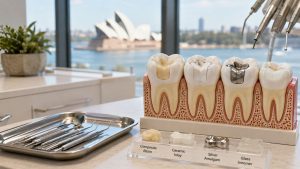
Intrinsic colour sits deeper inside the tooth. That's the natural shade of the tooth structure itself, plus changes from ageing, trauma, medications, or enamel thinning. A natural scrub can't reliably change that.
Natural methods can help with maintenance. They don't reliably deliver transformation.
That's why patients often feel confused. A remedy may make teeth look a little cleaner for a short time, but that's very different from true whitening.
Why online trends often go wrong
Most fads focus on what looks dramatic in a video, not what enamel tolerates over time. Acids soften enamel. Harsh powders scratch it. Once enamel is worn down, the yellower dentine underneath becomes easier to see.
If you want a broader clinician-led comparison of internet remedies versus real-world results, this dentist's perspective on DIY whitening is a useful companion read. If your goal is a more noticeable change rather than just stain control, it's also worth understanding how professional whitening works before experimenting with home hacks.
Your Best Natural Whitener Is Great Oral Hygiene
The safest “natural” whitening method isn't exotic. It's a clean mouth.
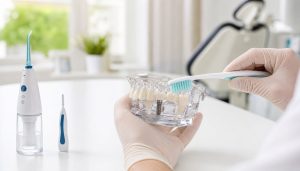
When plaque sits on teeth, it traps pigments from food and drink. When that plaque hardens into tartar, the surface becomes rougher and more likely to hold stain. Good oral hygiene helps because it keeps the enamel cleaner and smoother, which makes teeth look brighter without forcing them through an abrasive or acidic treatment.
Brushing helps because it removes what dulls enamel
A careful brushing routine removes fresh plaque and superficial staining before it settles in. Technique matters more than force. Scrubbing hard doesn't whiten better. It just increases wear at the gumline and can make sensitivity worse.
A good routine should focus on:
- Gentle pressure that cleans the tooth surface without abrading enamel
- Consistent coverage along the front, back, and chewing surfaces
- Attention to the gumline where plaque collects and stains build up easily
Flossing changes the colour between teeth
Many smiles look darker not because the enamel is stained, but because the spaces between teeth collect plaque and debris. That creates shadowing and yellowing in the exact places people notice in photos.
Flossing won't bleach teeth, but it does remove the film that makes teeth appear less bright at close range. It also reduces gum inflammation, which improves the overall look of the smile.
Practical rule: If the teeth near the edges look clean but the smile still appears dull, the issue is often build-up between the teeth, not the natural tooth shade.
Professional cleaning is the step home care can't replace
Once plaque hardens into calculus or tartar, brushing and flossing won't remove it. That matters because tartar is porous and attracts more stain. A professional clean removes those hardened deposits and gives the enamel a smoother surface again.
Australian guidance also notes that whitening works best when teeth are professionally cleaned first, because plaque and calculus can block stain removal. If you want the simplest path to a naturally fresher-looking smile, a check-up and clean is often the most sensible place to start.
Here's the practical difference:
| Concern | What home care can do | What needs professional care |
|---|---|---|
| Fresh plaque | Remove it daily | Not usually needed if routine is good |
| Surface stain | Reduce some of it | Polish away more stubborn external stain |
| Tartar build-up | Cannot remove it | Scale and clean it safely |
| Intrinsic colour | Cannot change it | May need supervised whitening |
How Your Diet Affects Tooth Colour
What you eat and drink has a visible effect on tooth colour, but not always in the way people expect. Some foods stain because they leave pigment behind. Others increase the chance of staining because they're acidic and leave enamel more vulnerable. Then there are foods that help by stimulating saliva and mechanically cleaning the tooth surface.
That means diet can either support a brighter smile or subtly undermine it every day.
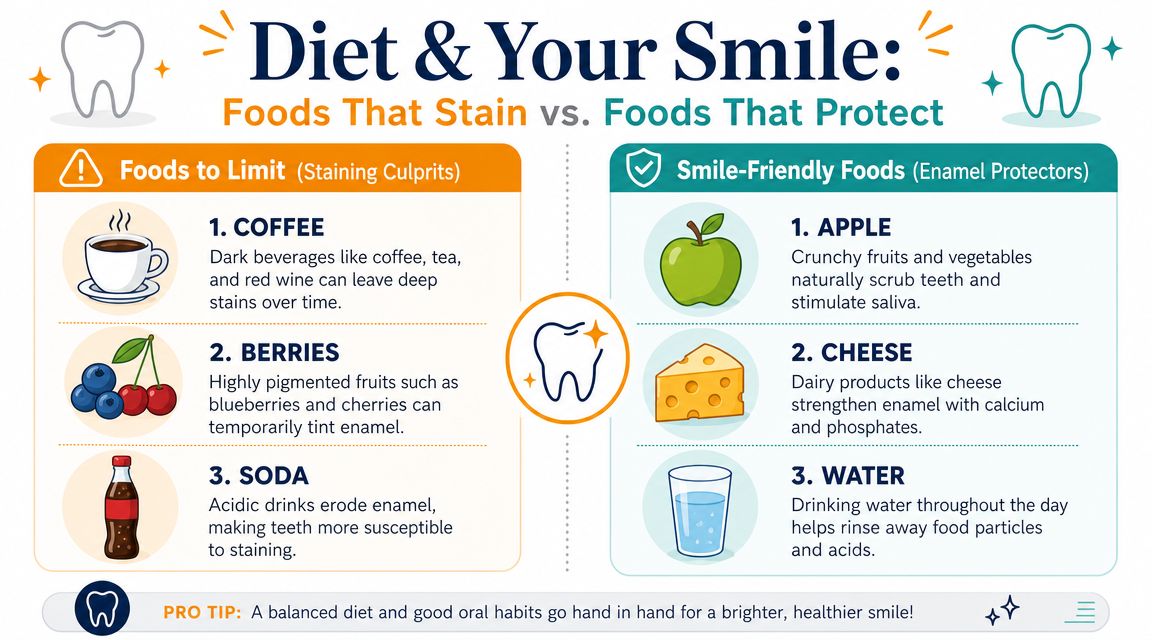
The foods and drinks that darken teeth fastest
Dark drinks are the biggest issue for many adults. Coffee, tea, and red wine are frequent offenders because they expose teeth to strong pigments over and over. Dark sauces and highly pigmented fruits can do the same, especially when they linger on the teeth.
Acidic drinks create a second problem. They can soften the enamel surface, which makes future staining easier to pick up.
Common trouble spots include:
- Coffee and tea that are sipped slowly across the day
- Red wine that combines deep pigment with acidity
- Soft drinks and acidic beverages that can increase enamel vulnerability
- Dark sauces and berries that leave temporary staining on the outer surface
Smile-friendly choices that help naturally
No food “bleaches” teeth in the true dental sense, but some choices support a cleaner-looking smile. Crunchy fruit and vegetables can help disturb surface debris. Cheese and other dairy foods support enamel. Water helps dilute acids and rinse away residue after meals.
If you'd like a simple patient-friendly overview, this article on foods that naturally whiten teeth explains the idea well.
A few habits make a real difference:
- Drink water after staining foods to rinse pigments off the teeth
- Have dark drinks with meals rather than sipping constantly
- Use a straw when practical for cold staining beverages
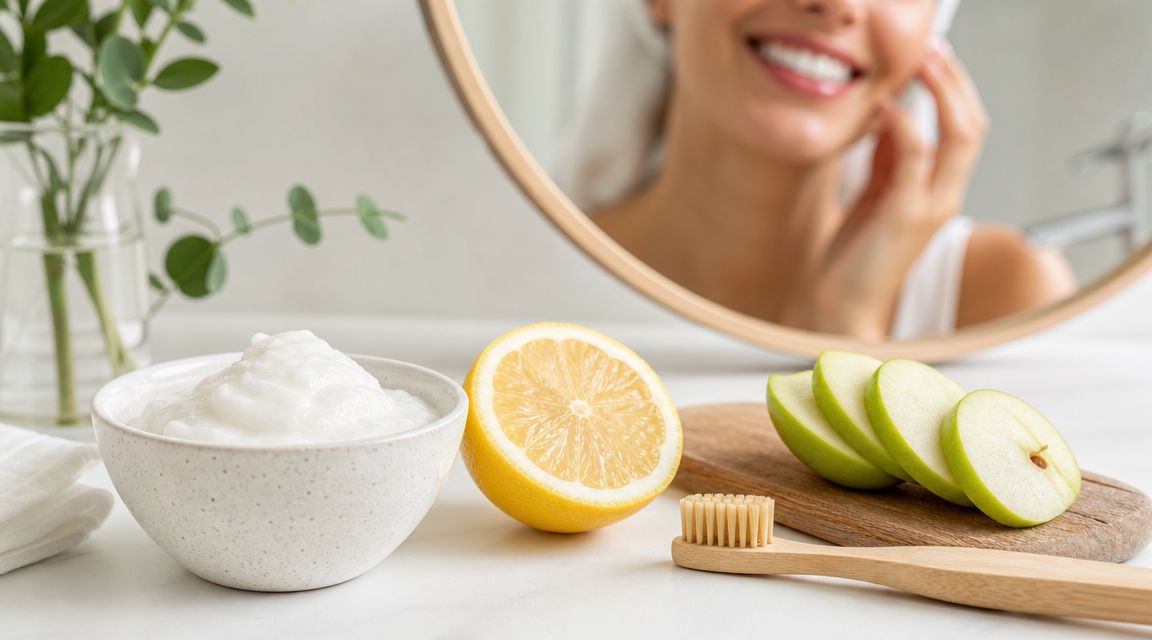
- Choose crunchy snacks like apples or carrots when you want something between meals
Teeth usually stain from repeated exposure, not one cup of coffee. Frequency matters as much as the food itself.
Prevention works better than correction
Diet advice shouldn't feel restrictive. It's generally unnecessary to give up coffee or red wine altogether. Individuals just need to reduce how long stain and acid sit on the teeth.
If external stain is already building up, a professional teeth cleaning appointment in Dulwich Hill can remove what diet and daily brushing have left behind. That often restores more brightness than another round of internet remedies.
Popular Home Remedies The Safe vs The Harmful
A misconception often occurs regarding home remedies. They are usually presented as if they all sit on the same spectrum, from “mildly effective” to “very effective”. Clinically, that isn't true. Some are modest but reasonable if used carefully. Others are unsafe in principle because they work by damaging the tooth surface.
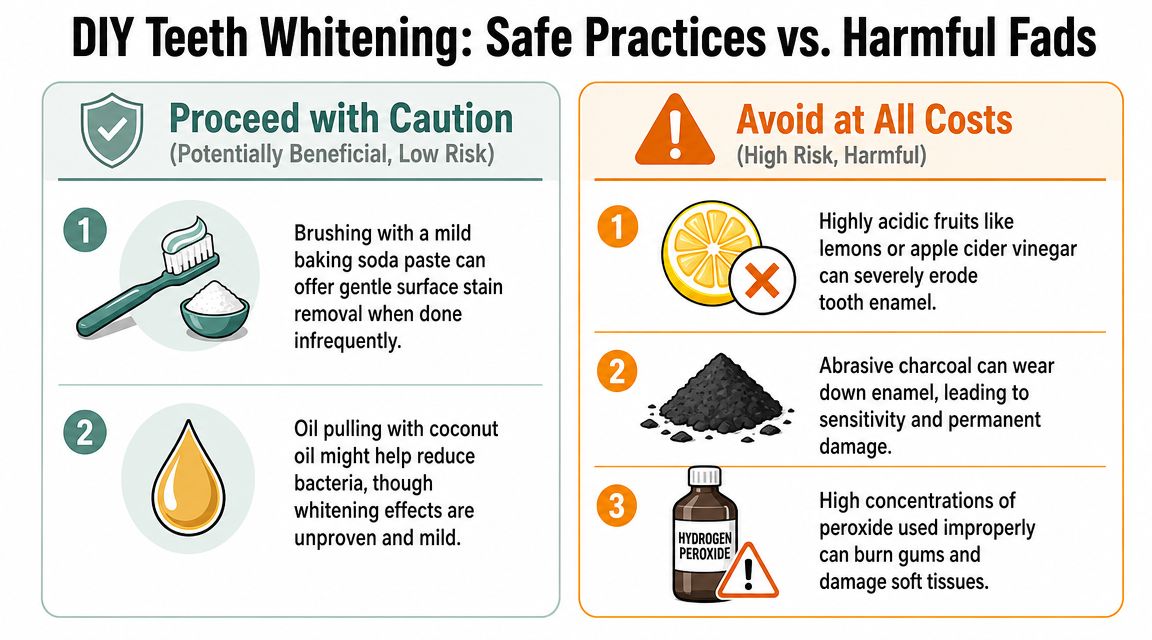
Why acids are such a poor trade-off
Lemon juice, vinegar, and similar “natural” acids may make teeth feel squeaky clean at first. That sensation isn't a sign of whitening. It's a sign the surface has been altered.
Acid softens enamel. Once enamel softens and wears, teeth don't become healthier or whiter. They often become more sensitive, and they can look yellower because the underlying dentine shows through more clearly.
Why charcoal worries dentists
Activated charcoal is marketed as a deep-cleaning solution, but its texture is the issue. Anything abrasive enough to scrub stain aggressively can also abrade enamel. Enamel doesn't grow back.
The long-term risk is that you trade a short-lived brightening effect for permanent surface wear.
A useful visual explanation of common mistakes appears in this practical guide with expert advice on whitening teeth, especially if you're comparing home options before trying anything yourself.
The Australian Dental Association warns there is no reliable scientific evidence that oil pulling whitens teeth, and it cautions that abrasive or acidic DIY substances can permanently damage enamel, as discussed in this summary of natural whitening safety concerns.
For a quick walkthrough of what to avoid and what to treat cautiously, this short video is helpful.
The one remedy that has some merit
Baking soda is the common exception, but only with limits. It can help remove some surface stain because it acts as a mild abrasive. What it does not do is bleach the internal tooth colour.
The safer way to think about baking soda is as an occasional stain-lifting aid, not a whitening treatment.
A cautious approach looks like this:
- Use a small amount mixed with water into a simple paste.
- Keep contact brief, about 2 minutes maximum per application according to practical safety guidance in this review of safe teeth whitening methods.
- Use it infrequently, about weekly rather than daily.
- Stop if sensitivity appears, or if your gums feel irritated.
What about oil pulling and peroxide rinses
Oil pulling is low risk for enamel, but the whitening claims are weak. If someone likes it as part of their mouth-care routine, that's one thing. It shouldn't be sold as a dependable whitening method.
Household peroxide is a different story. Concentration control is poor, gum irritation is easy to cause, and stronger is not safer. In a clinic, peroxide works because the product, exposure time, and soft tissue protection are controlled. At home, that control is often missing.
Here's the simple clinical split:
| Remedy | Realistic benefit | Main concern |
|---|---|---|
| Baking soda | Mild surface stain removal | Overuse can wear enamel |
| Oil pulling | May support oral cleanliness | Whitening effect is unproven |
| Lemon or vinegar | No safe whitening value | Acid erosion |
| Charcoal | Short-term surface scrub effect | Abrasion and enamel wear |
| Undiluted peroxide | Unpredictable | Gum and tissue irritation |
When to Choose Professional Teeth Whitening
If your goal is a cleaner smile, natural maintenance can help. If your goal is a noticeably whiter smile, professional treatment is usually the right path.
That's because professional whitening doesn't rely on scraping away stain from the outside. It uses controlled whitening agents to change tooth colour more predictably. Clinically, peroxide-based whitening remains the gold standard because it produces repeatable, measurable colour change, while natural remedies such as baking soda or oil pulling have limited or mixed evidence and are better viewed as stain management rather than true bleaching, as explained in this overview of professional versus natural whitening.
Maintenance versus transformation
This is the simplest way to decide.
Natural methods are best for people who:
- want to reduce fresh external stain
- already like their basic tooth shade
- prefer conservative upkeep
- are willing to accept subtle changes only
Professional whitening suits people who:
- want a visible lift in tooth colour
- have staining that brushing can't shift
- want a more even result
- don't want to gamble with enamel safety
Why supervision matters
The safety warnings around whitening usually come down to control. In a dental setting, we can assess whether the staining is external, internal, or mixed. We also check for cracks, exposed roots, gum recession, fillings on front teeth, and pre-existing sensitivity.
That matters because whitening isn't one-size-fits-all. Some patients do best with in-chair treatment for faster results. Others prefer custom trays under professional guidance for a steadier approach.
If the colour bothers you more than the surface stain does, home remedies probably won't get you where you want to go.
If you're weighing the cost, convenience, and likely result of each option, this guide on how much teeth whitening costs can help you compare the practical side before booking.
Your Teeth Whitening Questions Answered
How long do natural whitening results last
Natural methods don't create a permanent colour change. They mostly help manage fresh surface stain, so the effect lasts only as long as your habits support it. Coffee, tea, red wine, smoking, and plaque build-up can quickly dull the result again.
What if I already have sensitive teeth
That's the point where DIY options become less suitable. Sensitive teeth need an assessment first, because the problem may be enamel wear, gum recession, decay, or grinding rather than staining alone. If sensitivity is already present, it's safer to get advice before trying any whitening product.
Will private health insurance cover whitening
It depends on your fund and level of cover. Teeth whitening is often treated differently from general preventive care, so it's worth checking your policy details directly. A clinic can usually help you understand what applies before treatment starts.
What's the safest next step if I want whiter teeth
Start with a proper dental assessment. If the issue is external stain, a clean may be enough. If you want a more noticeable change, ask about supervised teeth whitening in Dulwich Hill so you can choose an option that matches your teeth, your sensitivity level, and your expectations.
If you want clear advice on whether natural stain management is enough or professional whitening would suit you better, The Smile Spot can help you make that decision with confidence. A personalized assessment gives you a safer answer than trial and error, especially if you've noticed sensitivity, stubborn staining, or uneven colour.