If you've put off a dental visit because you're juggling work, school runs, or a bad experience elsewhere, you're not alone. Many don't wake up excited to book an appointment, they want a clinic that feels straightforward, calm, and practical from the first call through to long-term care.
For many Inner West residents, the question isn't whether dental care matters. It's whether they can find an inner west dental clinic that makes it easier to go. That usually comes down to trust, access, clear pricing, and a team that can handle both the routine and the unexpected without making the process feel bigger than it needs to be.
Finding Trusted Dental Care in the Inner West
A new appointment often starts with a small practical question, can you find a clinic that feels easy to return to after the first visit? A patient in Dulwich Hill might be looking after a move, or after a difficult experience elsewhere, and the test is whether the clinic can make care feel steady from booking through follow-up. That steadiness matters more than a polished website.
The Smile Spot has been part of the local area since 1999, and that kind of continuity gives patients a clearer sense of what to expect The Smile Spot. In dentistry, long-term familiarity helps families keep track of previous treatment, preferences, and the details that shape future decisions.
What trust looks like in practice
Trust shows up in the handover between visits. A clinic earns it by handling a routine clean, a restorative appointment, or an unexpected problem without making the patient repeat the same story over and over, and by keeping instructions clear from the first call to the final review. In a busy part of the Inner West, that kind of consistency saves time and lowers the hesitation that keeps people away from care.
Practical rule: the right clinic should make your care feel connected, not fragmented.
A family practice often gives patients that continuity. One person may come in for a check-up, later need emergency care, and then bring in a child or partner for treatment. A clinic that already understands the household context can make those decisions easier to manage.
The setting behind the scenes matters as well. Clean, well-run rooms help patients feel comfortable before treatment even begins, and medical-grade cleaning standards support that experience. Resources such as Arelli Cleaning medical services show the kind of upkeep that keeps a dental space professional and safe.
For families who want a broader view of how care can shift across different ages and stages, the clinic's guide to family dental care is a practical place to start.
Comprehensive Services for Every Stage of Life
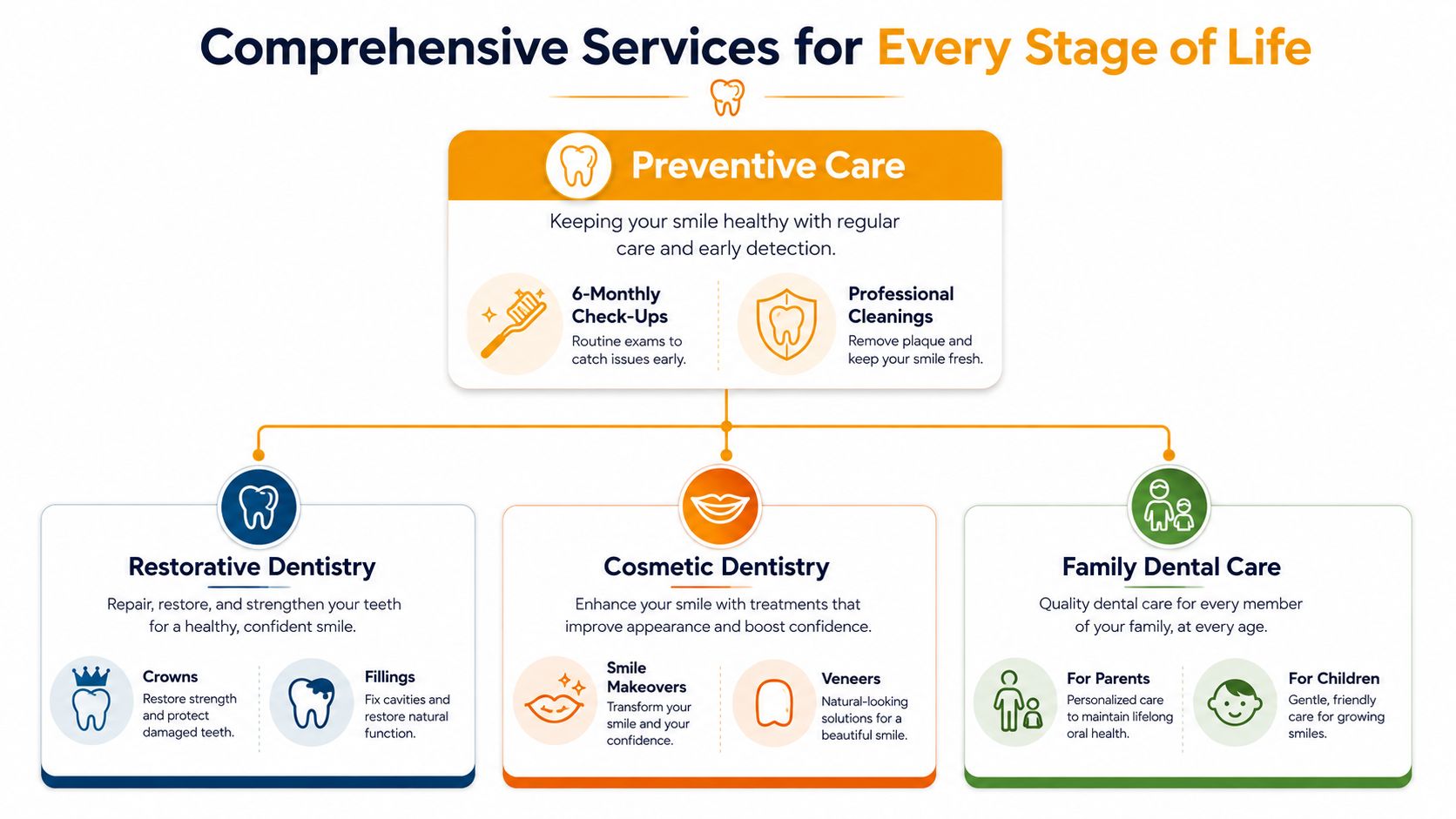
A strong inner west dental clinic should meet you where you are, not force you into a narrow treatment path. Some patients come in for prevention, some for cosmetic improvements, and others only after pain has already become hard to ignore. The value is in having all of those options under one roof.
Start with prevention, then build from there
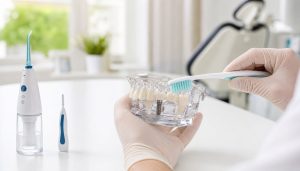
Routine care is where most long-term dental problems are either caught early or missed. Six-monthly check-ups, professional cleaning, and custom mouthguards for active families create the baseline that keeps treatment simpler later on. A preventive visit might show that a tooth needs monitoring, or it might reveal something that's already moving toward restorative care.
If you want the logic behind that approach, the clinic's own preventive dental care page is a practical companion. Prevention doesn't eliminate every future problem, but it usually gives you more options and less urgency when something does appear.
Cosmetic and restorative care often overlap
A patient asking about veneers or whitening may also need gum health reviewed first, because cosmetic treatment only works well when the foundations are stable. The Smile Spot offers Zirkonzahn Skin, E.max, and composite veneers, along with professional teeth whitening and smile makeovers. Those treatments are often chosen for different reasons, but they all depend on a good clinical assessment and realistic expectations.
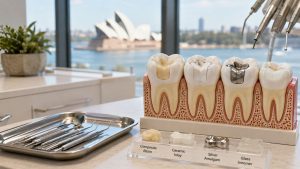
Restorative care sits in the middle of that same spectrum. Crowns, bridges, and root canal therapy are not cosmetic add-ons, they're the treatments that keep damaged teeth working when simpler fixes aren't enough. In practice, a check-up can lead into a crown discussion, and a crack or deep decay can make root canal therapy the better option than extraction.
A good treatment plan doesn't start with the most expensive option. It starts with the option that protects the tooth and fits the patient's needs.
Replacing missing teeth takes planning
When a tooth can't be saved, replacement becomes part of the conversation. Dental implants and All-on-4 full-arch solutions are more complex than a standard filling, so they usually begin with a detailed assessment rather than a quick booking. That assessment matters because the best outcome depends on bone support, bite function, and long-term maintenance.
For readers comparing modern treatment pathways, the clinic's article on dental 3-D printing adds useful context about how contemporary dentistry is becoming more precise and more personalised. The main point remains simple, though, broad services only help if they're matched properly to the stage of life and the stage of disease.
Advanced Technology and Gentle Techniques
Some people don't avoid the dentist because they dislike being looked after. They avoid it because they remember discomfort, loud instruments, or treatment that felt rushed. The right technology won't remove every worry, but it can change the experience enough that patients stop bracing for the worst.
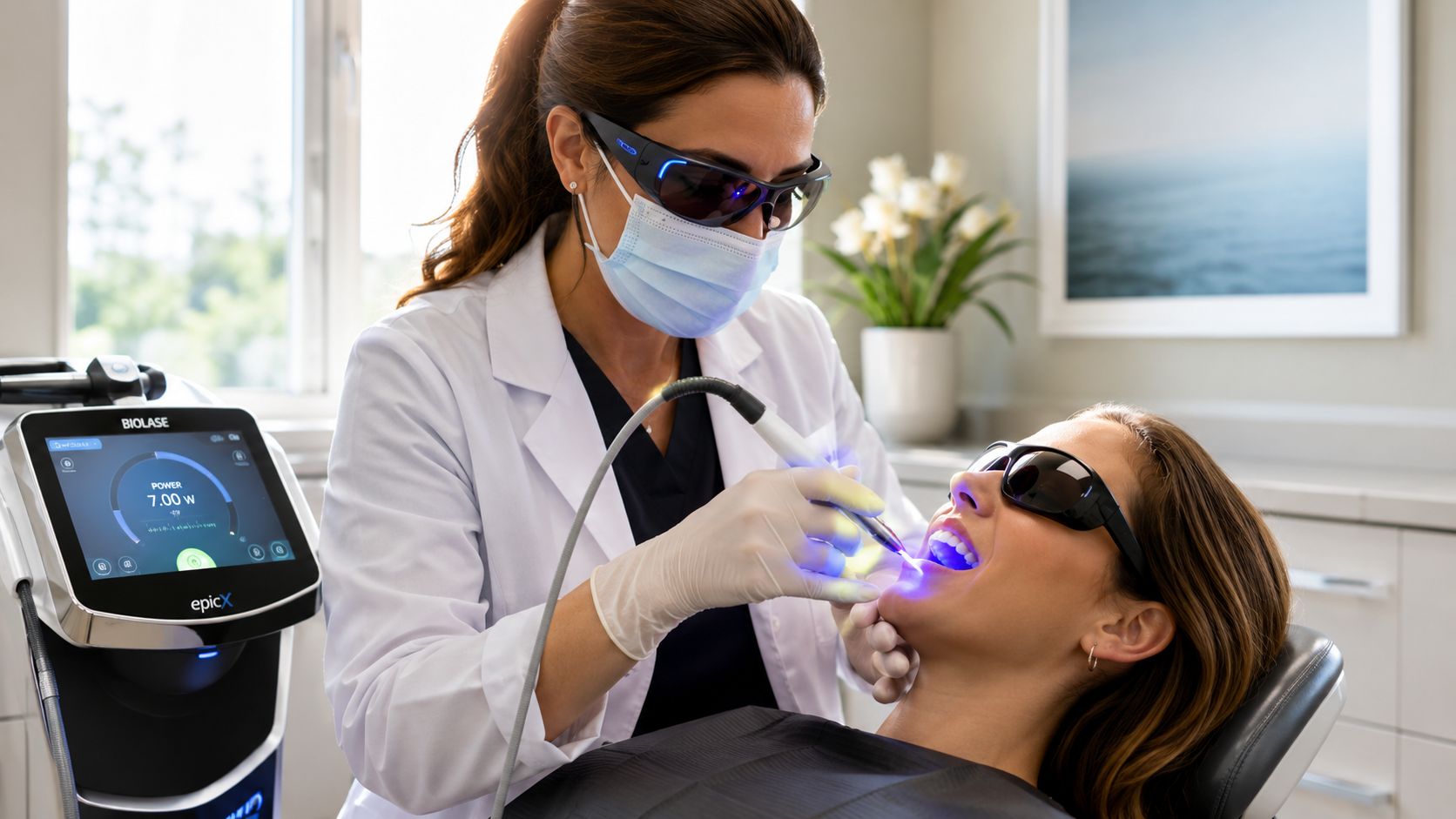
Biolase laser dentistry is one of the clearest examples. In the right case, it supports minimally invasive treatment, and it can reduce the need for anaesthesia for some procedures, while also supporting faster healing and less post-operative discomfort. That combination matters most for patients with sensitivity or anxiety, because the experience often feels less overwhelming than they expect.
Digital imaging adds another layer of clarity. Digital X-rays and intraoral photography help the dentist show what's happening rather than just describe it, which makes treatment planning easier to follow. That transparency is useful when a patient is deciding between monitoring, repair, or a more involved procedure.
Comfort and communication should work together
A clinic can have good tools and still create a poor experience if the team doesn't explain what those tools are doing. The best use of laser dentistry or digital imaging is when the patient understands the reason for each step and has room to ask questions before treatment starts.
Sedation options matter for that same reason. Anxious patients don't need to be pushed through a treatment plan at someone else's pace, they need care that's paced around their comfort and the clinical requirements of the visit. Gentle communication, calm scheduling, and clear explanations all help, but they work best when they're paired with the right clinical approach.
The Smile Spot also points patients to modern treatment methods through its dental 3-D printing content, which reflects how digital dentistry and patient comfort often go hand in hand. That doesn't mean every visit needs advanced tech. It means the clinic can choose the least disruptive path that still gives a reliable result.
Transparent Pricing and Payment Options
Cost is the part of dentistry many people avoid talking about until they're already in pain. In Australia, Senate evidence found cost was the largest barrier to dental care, ahead of accessibility, language and cultural barriers, wait times, and fear, while long wait times were the second-largest barrier in the committee's survey Australian Senate committee evidence. That tells you why transparent pricing matters so much.
The Smile Spot addresses that pressure with a clear $240 care package, which includes an exam, X-rays, scale, and fluoride. The clinic also offers a reduced rate for children, and it accepts most private health funds, so the upfront discussion is not just about price, it's about how the patient will pay.
| Common Treatment Cost Examples | What's Included | Starting From |
|---|---|---|
| Comprehensive care package | Exam, X-rays, scale and fluoride | $240 |
| Children's care | Reduced-rate dental visits for younger patients | Varies |
| Preventive check-up visit | Assessment, hygiene review, treatment discussion | Varies |
| More complex treatment | Crown, root canal, implant, or cosmetic planning | Varies |
A table like that is helpful because routine care and complex treatment don't sit in the same financial category. A clean-up visit is usually about maintenance and early detection. A crown, root canal, or implant consult is more involved, and the fee should reflect that before anyone books.
Practical rule: if you can't see the fee structure clearly, you're more likely to delay treatment until the problem gets worse.
Gap payments are part of the private dental system, so the important question is how much certainty you get before treatment starts. A clinic that explains the plan in plain English gives patients room to prioritise care, split treatment where appropriate, and avoid surprise costs. For people comparing payment approaches, the clinic's dentists with payment plans near me page is a useful guide to the broader topic.
The main trade-off is simple. Paying for prevention earlier can feel easier to manage than paying for urgent, more complex treatment later, especially when the issue has already progressed.
Convenient Hours and Easy Booking
The people most likely to skip dental care are often the ones with the least flexibility. Parents need school-friendly times, professionals need appointments that don't wipe out half a workday, and anyone with pain wants the fastest path to relief. A clinic earns trust when booking feels manageable rather than like a project.
The Smile Spot gives Inner West patients a practical mix of access points. It offers late evening appointments and Saturday hours, plus an online booking system for routine visits. For urgent situations, patients can call 02 9569 0199 for an appointment, which matters when pain or swelling can't wait for a standard booking flow.
Where the clinic fits locally
The clinic is based in Dulwich Hill and services Marrickville, Earlwood, Ashfield, Summer Hill, Lewisham, Petersham, and Hurlstone Park. That local footprint is useful because convenience isn't just about distance, it's about how often you can realistically return for follow-up, adjustment, or continuing care.
Urgent dental care usually means pain, a broken tooth, swelling, a lost filling, or another problem that affects eating or comfort. Those situations are different from a routine check-up, because delaying them often makes the next appointment more complicated.
The booking process should reflect that difference. Routine care can be scheduled online, while time-sensitive cases deserve a direct phone conversation. For busy families, that split is often what finally makes a plan feel workable.
If a problem is already affecting sleep, eating, or day-to-day comfort, it's no longer a “wait and see” issue.
The clinic also aligns well with the reality of digital triage. A teledentistry review found that video-based dental consultations need at least 1.5 Mbps broadband for reliable video streaming teledentistry review. In practical terms, remote consults are useful for screening and follow-up, but they're not a substitute for proper in-chair diagnosis when the problem needs hands-on assessment.
Who Benefits Most from The Smile Spot
Different patients need different kinds of reassurance. Some want a clinic that can look after the whole family, some want cosmetic work that still looks natural, and some just want treatment that doesn't make them tense up before the chair even moves.
Families, anxious patients, and people with full schedules
Families benefit when prevention, treatment, and follow-up happen in one place. That makes it easier to coordinate siblings, parents, and long-term records without repeating the same story at different clinics. A practice with broad services also makes it simpler to move from preventive care to restorative work when a child or adult needs something more than a clean.
Anxious or pain-sensitive patients need more than technical skill. They need a calmer pace, gentle technique, and enough time to understand what's happening before treatment begins. Laser dentistry and sedation options can make a noticeable difference here, especially when past experiences have made a person wary.
Busy professionals usually care about the same thing for a different reason. They want efficient care that doesn't force them into repeated disruptions, which is why late appointments and an efficient booking process matter. Cosmetic patients sit in a different category again, because they're often looking for small but meaningful improvements, such as whitening or veneers, that still need careful planning to look natural.
The clinic is also a strong fit for implant candidates and patients considering All-on-4 solutions. Those treatments require planning, assessment, and a team that can talk through options without rushing the decision.
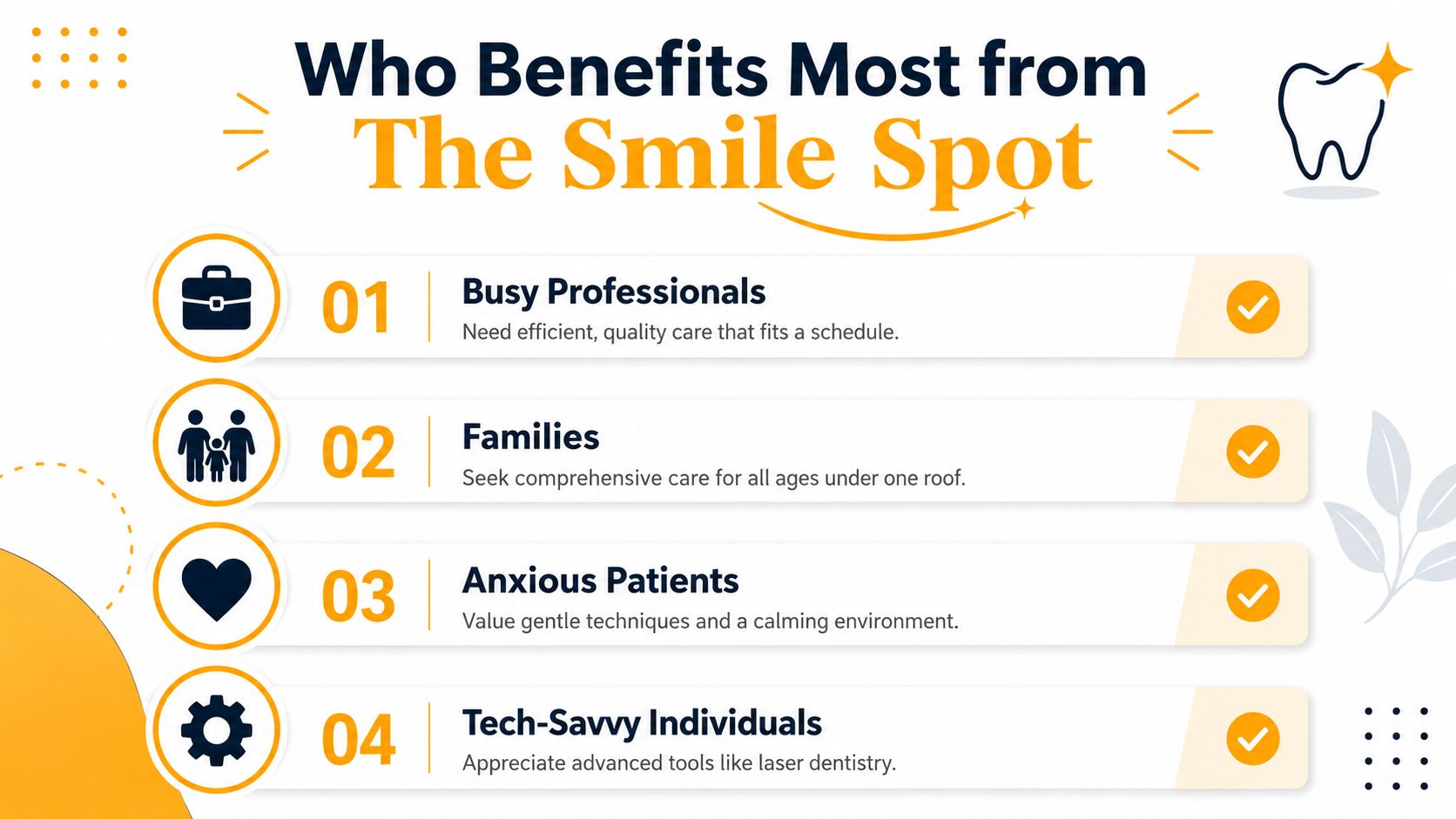
For people who prefer a simple checklist, the fit often comes down to this:
- Busy Professionals: need efficient, quality care that fits a schedule.
- Families: want care for all ages under one roof.
- Anxious Patients: value gentle techniques and a calming environment.
- Tech-Savvy Individuals: appreciate advanced tools like laser dentistry.
Taking the Next Step Toward Better Oral Health
A lot of people wait because life gets busy, not because they do not care about their teeth. By the time a sore tooth or broken filling starts disrupting meals or sleep, the visit usually feels more complicated than it needed to be. Preventive care gives you more control over timing, comfort, and cost, and it often means fewer surprises later.
The practical part is getting started. A first booking should feel straightforward, whether you are arranging a routine visit, asking about cosmetic treatment, or dealing with pain that already needs attention. The Smile Spot brings together several services, modern equipment, clear pricing, convenient hours, and patient-centred care in a way that suits Inner West routines. If you have been putting off a visit, a check-up and clean is a sensible place to begin, because it gives the dentist a clear picture of what needs attention now and what can wait.
If the issue is already urgent, waiting usually makes the appointment harder, not easier. A small crack, inflamed gum, or lingering sensitivity can be assessed before it turns into a more involved treatment plan, and that is often easier on both your schedule and your budget. For patients who want a quieter first appointment, a slower pace and clear explanations help remove some of the tension that keeps people away.
Ongoing care matters as much as the first visit. Once you have a clinic that explains options clearly and keeps fees transparent, it becomes easier to return for maintenance, ask questions before problems grow, and plan treatment without feeling rushed. That is the difference many patients are looking for, practical care that fits real life and helps them stay ahead of bigger dental work.
If you are ready to get started, The Smile Spot offers routine check-ups, cosmetic treatment, restorative dentistry, implant care, and emergency appointments from its Dulwich Hill clinic. Visit The Smile Spot to book a visit that fits your schedule and get clear next steps without the guesswork.