The first few hours after wisdom teeth removal can feel more confronting than the procedure itself. You get home, the numbness starts to fade, your cheek feels heavy, and suddenly every small decision matters. Should you eat now or wait? Is the swelling normal? When do you start rinsing? Many patients aren’t worried about the surgery nearly as much as they’re worried about getting recovery wrong.
That concern is understandable. Wisdom teeth removal is one of the most common oral surgical procedures in Australia, with approximately 85% of Australians undergoing extraction and more than 300,000 wisdom teeth extractions taking place annually in the country, according to material published at https://coyneoralsurgery.com/oral-surgery-blog/tips-for-a-faster-recovery-from-wisdom-teeth-removal. The good news is that recovery is usually manageable when you follow a few simple rules consistently.
Many individuals do not need complicated aftercare. They need clear priorities. Protect the blood clot. Keep swelling under control. Rest more than you think you need to. Eat and drink in a way that helps healing rather than irritating the area. Pay attention to symptoms that are normal, and know which ones deserve a call to the clinic.
At The Smile Spot, we find patients do best when they understand why each instruction matters. That’s what makes it easier to follow through once you’re tired, sore, or tempted to get back to normal too quickly. If you’re settling in at home after surgery, use this as your practical roadmap for the first week. For broader home recovery habits after any procedure, this A Practical Guide to Recovering from Surgery at Home is also a helpful companion read.
1. Ice Application and Heat Therapy Progression
Swelling control starts immediately. If you use cold therapy well in the first phase, the rest of recovery usually feels easier.
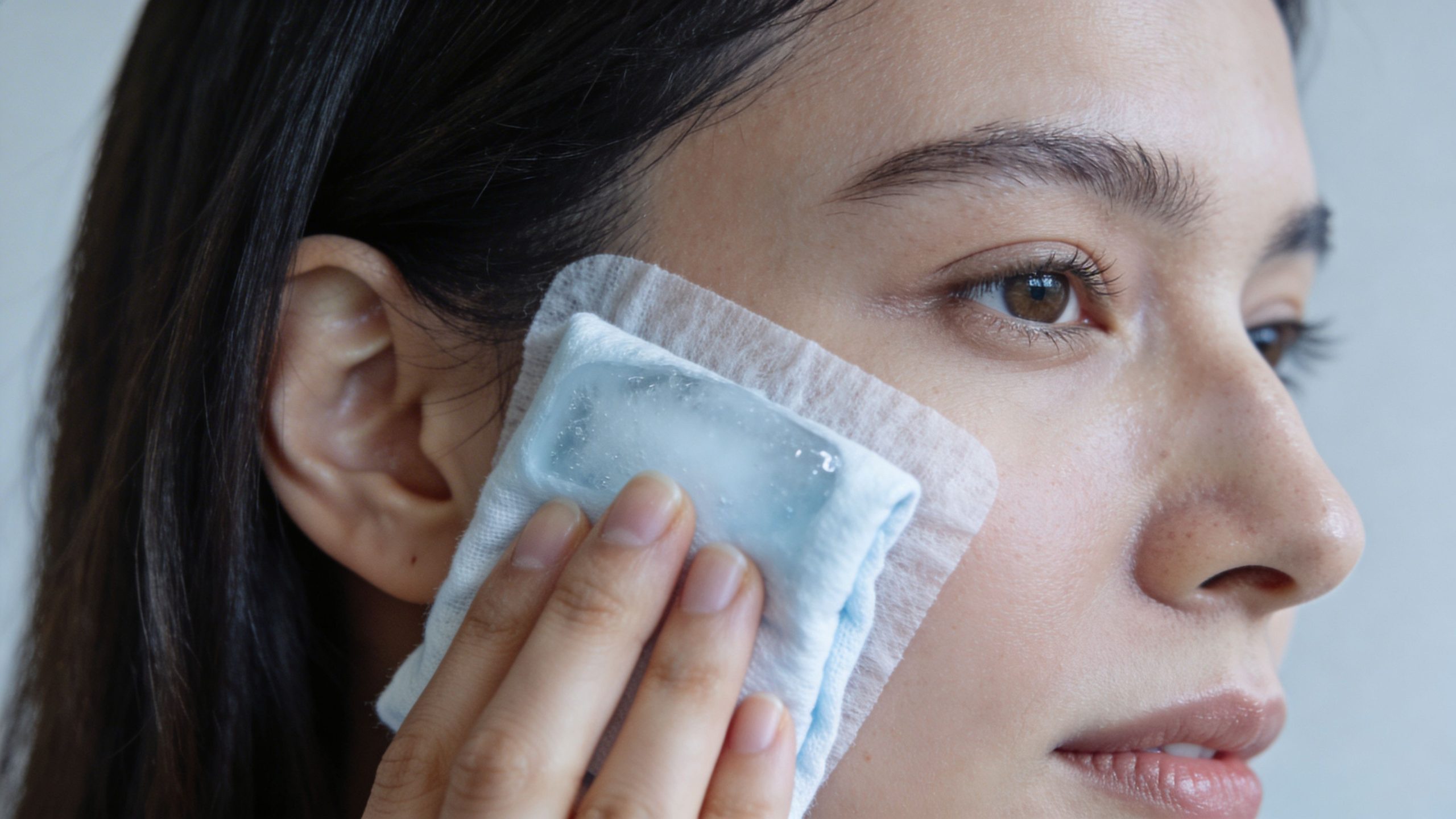
Australian recovery guidance commonly recommends ice packs for 20 minutes on and 20 minutes off several times daily because the cold helps constrict blood vessels and reduce swelling, as outlined at https://coyneoralsurgery.com/oral-surgery-blog/tips-for-a-faster-recovery-from-wisdom-teeth-removal. In practice, that means you shouldn’t wait until your face is already puffy. Start as soon as your dentist advises, usually once you’re home and settled.
Use cold early, then stop chasing it
Cold works best at the start, when your body is beginning its inflammatory response. Wrap the ice pack in a clean cloth so you don’t irritate the skin, then place it against the outside of the cheek on the treatment side.
A simple rhythm works well:
- Keep it ready: Put two cold packs in the freezer before surgery so you can rotate them.
- Stay consistent: Use short cycles rather than one long session.
- Treat both sides if needed: If both lower wisdom teeth were removed, alternate sides.
- Pair it with rest: Ice works better when you’re not pacing around the house or bending repeatedly.
What doesn’t work is pressing ice hard into the face, falling asleep on an ice pack, or continuing cold therapy deep into recovery, particularly when the area has become stiff rather than freshly swollen.
Practical rule: Cold is for the early inflammatory phase. Once swelling has peaked and the jaw feels tight, warmth usually becomes more useful than more ice.
When warmth becomes the better tool
After the first couple of days, many patients notice the swelling is less dramatic but the muscles around the jaw feel sore and restricted. That’s the point where a warm, not hot, compress can be helpful. Gentle warmth encourages circulation and often makes opening the mouth more comfortable.
Use heat cautiously. A warm face washer or low-setting heat pack is enough. If the area becomes redder, more swollen, or more uncomfortable, stop and check in with your dentist. Heat is supportive care, not a fix for worsening symptoms.
This shift from cold to warmth is one of the simplest wisdom teeth removal recovery tips, but it’s often the difference between feeling stuck in recovery and feeling yourself improve day by day.
2. Proper Pain Management and Medication Adherence
Pain after extraction is most frustrating when patients try to “see how they go” without staying ahead of it. By the time discomfort builds, it’s harder to settle.
Most wisdom teeth removals in Australia are outpatient procedures lasting 45 to 60 minutes, with same-day discharge and recovery at home, according to material citing AIHW reports at https://my.clevelandclinic.org/health/treatments/22119-wisdom-teeth-removal. That means your aftercare plan does a lot of the heavy lifting once you leave the chair.
Don’t wait until the pain is strong
If you’ve been given pain relief instructions, follow them exactly. Take the first dose at the time advised by your dentist, often before the local anaesthetic has fully worn off. That approach tends to give steadier comfort than reacting after pain has already peaked.
This is particularly important if you’ve had impacted teeth removed, needed stitches, or had pressure applied to the jaw during the procedure. Those cases often come with more soreness and stiffness, even when healing is progressing normally.
A few habits make a difference:
- Set reminders: Use your phone alarm so you don’t miss a dose while resting.
- Protect your stomach: If your instructions allow, take medication with food when you’re sensitive to it.
- Respect drowsiness: If medication makes you sleepy, don’t drive or make important decisions.
- Finish what was prescribed only as directed: Don’t change your schedule because the area “feels okay” for a few hours.
For patients who’ve been prescribed stronger pain relief after extraction, our guide to Panadeine Forte for tooth extraction explains what to expect and how to use it safely. For a broader over-the-counter pain relief overview, this complete guide to Advil 400 mg liquid gel may also help.
Know the difference between expected pain and warning pain
Expected pain is sore, aching, and gradually improves. Concerning pain tends to feel different. It may intensify instead of easing; it might become throbbing or start radiating into the ear or along the jaw after an initial period of improvement.
That’s why “toughing it out” isn’t useful. Pain control isn’t just about comfort. It helps you rest, eat, hydrate, and avoid clenching. All of those things support recovery.
Pain that keeps escalating instead of settling deserves a review. It’s not a sign that you need to push through.
3. Soft Diet and Nutritional Intake Management
Food matters more than many individuals expect after oral surgery. Eating the right texture protects the extraction sites, but it also gives your body what it needs to rebuild tissue.
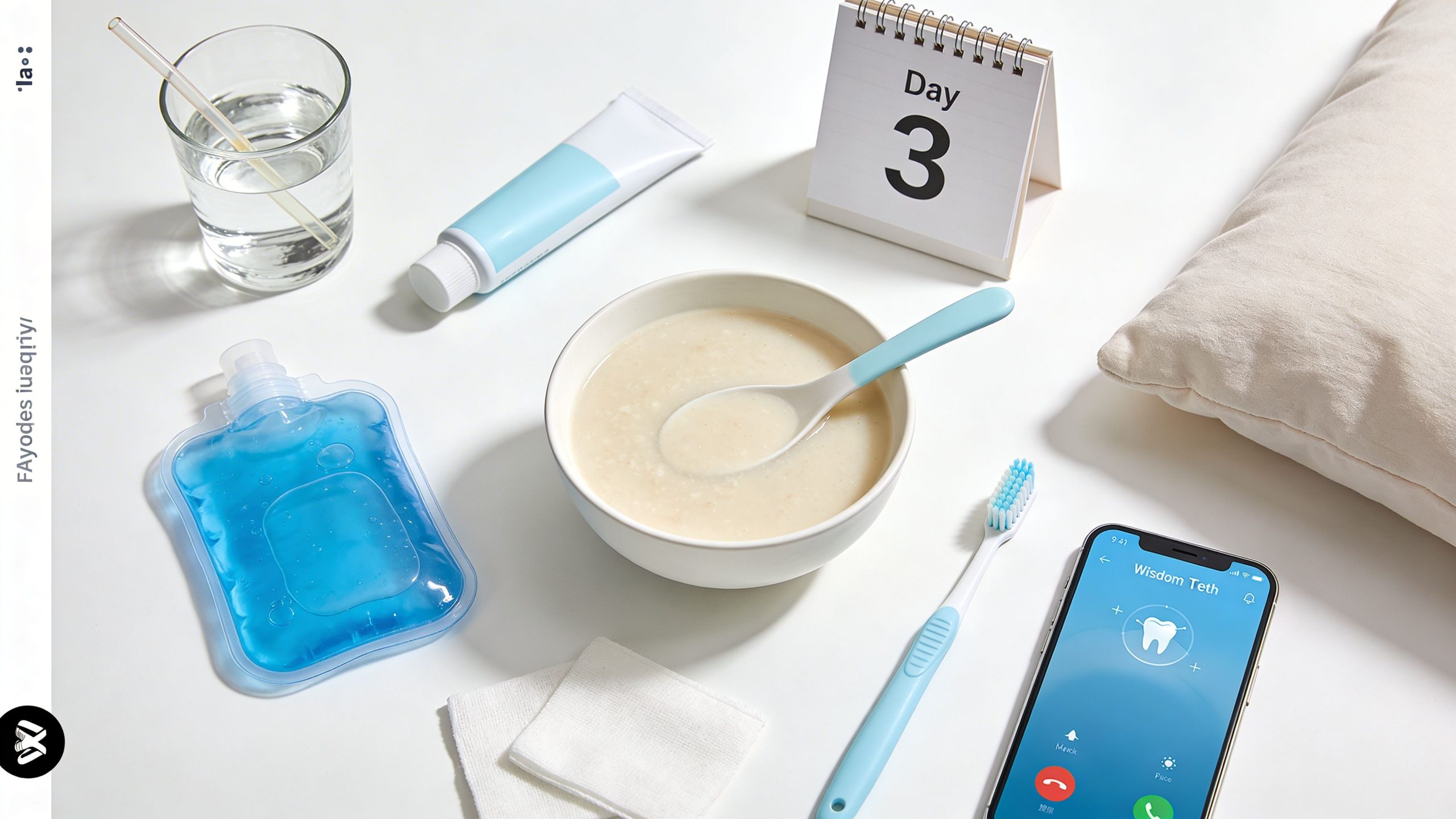
For the first 72 hours, soft foods such as yoghurt and soups, together with good hydration, are recommended in Australian recovery guidance published at https://coyneoralsurgery.com/oral-surgery-blog/tips-for-a-faster-recovery-from-wisdom-teeth-removal. The mistake many patients make is focusing only on “soft” and forgetting “nutritious”.
Make soft food do real work
A bowl of ice cream is fine if that’s all you can manage at first, but don’t let your whole recovery diet become sugar and air. Healing tissue needs protein and steady nourishment.
Good options include scrambled eggs, mashed sweet potato, soft avocado, smooth yoghurt, blended soups, soft pasta, cottage cheese, banana, soft tofu, and flaky fish. If chewing feels awkward, choose foods you can swallow with little effort.
Patients often do well with this rough pattern:
- Days 1 to 3: Cool or room-temperature liquids and very soft foods.
- After that: Soft solids you can chew gently away from the extraction sites.
- Later in recovery: Gradual return to normal food only when chewing feels comfortable.
Texture matters as much as ingredients
Crispy toast, seeded bread, chips, nuts, and crumbly biscuits create problems because they break into sharp pieces and lodge near the sockets. Spicy foods can sting. Hot foods can increase discomfort and bleeding.
One practical trick is to prepare before surgery, not after. Buy your recovery foods in advance. When patients come home tired and medicated, they rarely feel like cooking.
If you’re anxious about treatment and already know eating will be one of your big worries, working with a gentle dentist near me approach can make the entire experience more manageable from planning through recovery.
Soft food shouldn’t feel like punishment. If you plan properly, you can eat comfortably without putting the surgical sites at risk.
Another important point. Don’t use a straw, even for smoothies. Suction can disturb the healing clot. Sip from a cup instead. It may feel less convenient, but it’s safer in the early days.
Among wisdom teeth removal recovery tips, this one is often underestimated because it seems simple. But patients who eat carefully usually have less irritation, less anxiety around the sockets, and a smoother first week.
4. Socket Care and Clot Protection
The blood clot that forms in the socket isn’t something to clean away. It’s the foundation of healing.
Dry socket affects 2% to 5% of cases according to ADA statistics summarised at https://coyneoralsurgery.com/oral-surgery-blog/tips-for-a-faster-recovery-from-wisdom-teeth-removal. That’s why the first days after surgery are less about doing more and more about not disturbing what your body is trying to build.
The first day is about protection
After surgery, you’ll usually leave with gauze in place. Bite on it as instructed. Once bleeding slows, your main job is to avoid creating suction or pressure in the mouth.
That means no forceful spitting, no vigorous rinsing, no poking at the area with fingers or your tongue, and no sucking through a straw. Smoking and vaping are especially unhelpful because they combine suction, heat, and chemical irritation.
The clot is most vulnerable early on, but it still needs respect through the rest of the week.
Gentle cleaning starts later
From day 2, gentle saltwater rinses can help keep the mouth clean without being harsh. The key word is gentle. Let the liquid roll around your mouth and fall out, rather than swishing hard and spitting.
A few socket-protection rules are worth taking seriously:
- Leave the area alone: Curiosity is understandable, but repeated checking with your tongue slows things down.
- Skip straws entirely: Even one strong suction movement can be enough to create trouble.
- Avoid alcohol: It can irritate tissues and interfere with healing.
- Choose soft chewing: If one side feels more comfortable, use it carefully.
This short explainer may help visual learners understand the basics of post-extraction care:
Dry socket is often described by patients as a deep, throbbing pain, a type that doesn’t behave like normal recovery pain. If you feel that sort of worsening ache a few days after surgery, especially if it radiates towards the ear, call your dentist.
5. Swelling Management Through Elevation and Rest
Patients often assume recovery is about what they put in their mouth. It’s also about what they stop doing.
Australian guidance recommends resting at home for 3 to 5 days after wisdom teeth removal, with many people returning to light desk work by day 4, while physically demanding jobs may need an extra 2 to 3 days to lower the risk of complications, according to the published guidance at https://coyneoralsurgery.com/oral-surgery-blog/tips-for-a-faster-recovery-from-wisdom-teeth-removal. That advice is practical because swelling and throbbing often worsen when people resume normal activity too soon.

Rest isn’t laziness
When you walk quickly, lift heavy items, bend repeatedly, or return to exercise too early, you increase circulation and pressure around the surgical area. That can mean more swelling, more discomfort, and sometimes renewed bleeding.
For the first few nights, keep your head raised when sleeping. Extra pillows can work, but a wedge pillow is often more comfortable, as it keeps the upper body supported without forcing the neck forward.
Simple habits help:
- Sleep slightly upright: It reduces that heavy, pulsing feeling.
- Sit upright during the day: Slumping flat on the sofa tends to make facial swelling feel worse.
- Avoid gym sessions and sport: Even if you feel “mostly fine”, the tissues are still healing.
- Keep plans light: Recovery goes more smoothly when you aren’t rushing back into meetings, errands, and school runs.
If you had sedation or a deeper anaesthetic
Patients who’ve had sedation sometimes underestimate how washed out they’ll feel afterwards. Even when the mouth is comfortable, the body may still need quiet time. If you’re curious about how different anaesthetic options affect treatment and recovery planning, our article on a full anesthesia dentist gives more context.
Your body usually tells the truth before your calendar does. If activity makes the face throb, that’s your cue to slow down.
One of the most useful wisdom teeth removal recovery tips is this: Plan for more rest than you think you’ll need. Many patients never regret taking it easy. They do regret trying to prove they were “back to normal” too soon.
6. Oral Hygiene Balance Gentle Cleaning Without Socket Disruption
A clean mouth heals better, but aggressive cleaning causes its own problems. The balance matters.
Warm saline rinses started 24 hours after surgery are widely used in recovery care, and ADA patient survey material cited at https://www.smilesofvirginia.com/2024/02/22/wisdom-teeth-extraction-recovery/ notes strong uptake of warm saline rinses starting 24 hours post-op. The idea is simple. Keep bacterial build-up down without disturbing the clot.
What to do on day one and after
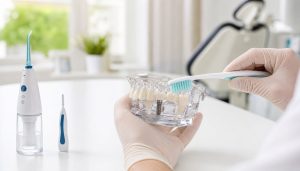
The first day is hands-off. Brush the teeth that are comfortably away from the extraction sites only if you can do so carefully and without creating vigorous movement in the mouth; if brushing feels awkward that night, it is better to be gentle than thorough.
From day 2 onward, return to basic oral hygiene with a soft brush and a light touch. Clean the rest of the mouth properly. Leaving all teeth unbrushed for days isn’t helpful and can make the mouth feel stale and unpleasant.
A good rhythm looks like this:
- Use a soft brush: Gentle bristles are less likely to irritate tender tissues.
- Clean neighbouring teeth carefully: Don’t scrub over the socket.
- Rinse after eating: Let warm saltwater move through the mouth without force.
- Avoid alcohol-based mouthwash: It can sting and dry the tissues.
Don’t overreact to every trapped particle
Food can collect near the healing area. That’s common. The wrong response is to attack it with a toothpick, water jet, finger, or hard rinse. If something seems stuck, use warm saltwater and patience. If the area still worries you, call the clinic rather than trying home improvisation.
Regular preventive care also matters long term. If it’s been a while since your general dental maintenance, our page on a checkup and clean explains why routine care makes future dental treatment easier to manage.
Some patients clean too little because they’re afraid. Others clean too hard because they’re trying to be careful. The middle ground is what works. Gentle, consistent, boring hygiene usually wins.
7. Hydration and Avoiding Dehydrating Substances
Patients rarely think of water as part of aftercare, but hydration affects almost everything about recovery. A dry mouth feels worse; eating becomes harder, and medication can sit more heavily if you’re under-hydrated.
Australian recovery advice commonly recommends 2 to 3 litres of water daily during the early healing phase, together with soft foods in the first 72 hours, according to https://coyneoralsurgery.com/oral-surgery-blog/tips-for-a-faster-recovery-from-wisdom-teeth-removal. You don’t need to force huge amounts all at once. Small, regular sips are usually easier.
Drink often, but drink wisely
Cool or room-temperature water is usually best. Hot drinks can be uncomfortable early on, and fizzy drinks can irritate some patients. If you’re taking pain relief, regular water intake also helps you tolerate medication and keeps your energy steadier.
A few practical choices help:
- Keep water beside you: If it’s visible, you’ll drink more consistently.
- Sip, don’t gulp: Smaller amounts are easier when your mouth opening is limited.
- Use a glass, not a straw: Suction is still a problem.
- Choose gentle fluids: Water, mild broths, and non-irritating drinks are usually easiest.
What tends to slow healing
Alcohol is best avoided during early recovery because it can interfere with healing and doesn’t mix well with many pain medications. Smoking and vaping are even more problematic because they dry and irritate tissues while also increasing the chance of clot disruption.
Caffeine is one of those trade-offs that depend on the patient. Some people do fine with a modest amount once they’re eating and drinking properly; others feel more dehydrated and jittery. If your morning coffee makes your mouth feel dry or unsettled, cut back for a few days.
Patients often ask about coconut water, herbal teas, or sports drinks. They can be useful if they’re comfortable for you, but plain water should still do most of the work.
Recovery is smoother when your mouth stays moist and your routine stays simple.
Among all wisdom teeth removal recovery tips, hydration is one of the easy to overlook because it doesn’t feel dramatic. But it supports comfort, tissue repair, and day-to-day resilience.
8. Follow-Up, Monitoring and Recognising Warning Signs
Most healing is uneventful. The challenge is knowing what’s normal enough to watch and what needs attention.
For straightforward extractions, a 7-day timeline is often used as a practical guide, with many patients resuming normal activities by day 7 when recovery is uncomplicated, according to the recovery framework published at https://my.clevelandclinic.org/health/treatments/22119-wisdom-teeth-removal. That doesn’t mean every mouth looks fully healed at one week. It means the general recovery trajectory should be heading clearly in the right direction.
What usually happens over the first week
A typical pattern is mild bleeding early, swelling that builds over the first couple of days, stiffness in the jaw, followed by gradual easing. Tenderness when chewing can linger for a while; that part isn’t unusual.
What matters more is trend. Are you improving, even slowly? Or are symptoms intensifying after they should be settling?
Call your dentist promptly if you notice:
- Severe worsening pain: This is particularly concerning if it starts after initial improvement.
- Persistent bleeding: Oozing is one thing; ongoing significant bleeding is another.
- Bad taste or odour with increasing pain: Such symptoms may suggest a complication.
- Fever, swallowing difficulty, or breathing difficulty: These symptoms need urgent assessment.
- Numbness that doesn’t seem to improve: This should be reviewed.
Don’t self-diagnose from one symptom alone
A small amount of swelling doesn’t automatically mean infection. An unpleasant taste doesn’t always mean dry socket. White or yellowish healing tissue can be normal. Follow-up is important at this stage. A brief review can often reassure you or catch a problem before it turns into a miserable few days.
If you’re trying to work out what level of pain is expected and when it stops being normal, our guide to wisdom tooth removal pain can help you make sense of the difference.
A simple habit I recommend is keeping your aftercare instructions somewhere visible. Patients forget details when they’re tired, medicated, or not sleeping well. Good recovery doesn’t come from perfect memory. It comes from having a clear plan and checking in early if something feels off.
8-Point Wisdom Teeth Recovery Comparison
| Intervention | Implementation Complexity 🔄 | Resource Requirements ⚡ | Expected Outcomes ⭐📊 | Ideal Use Cases 💡 | Key Advantages ⭐ |
|---|---|---|---|---|---|
| Ice Application and Heat Therapy Progression | Low-Moderate: scheduled 15-20 min cycles, requires discipline | Low: ice packs/cloth, access to heat source after 48h | ⭐ Reduces swelling/pain early; 📊 faster visible recovery (noted by day 3) | Immediate post-op swelling and short-term pain control (first 48-72h) | Non‑pharmaceutical, low cost, widely accessible |
| Proper Pain Management and Medication Adherence | Moderate: requires prescription, timing, monitoring for side effects | Moderate: prescribed analgesics/NSAIDs, possible antibiotics | ⭐ High pain relief when adhered to; 📊 enables earlier return to activities | Moderate-severe pain days 1-7; patients at risk of breakthrough pain | Reliable analgesia, prevents uncontrolled pain and stress |
| Soft Diet and Nutritional Intake Management | Low-Moderate: meal planning and phased progression (7-10 days) | Moderate: soft high‑protein foods, supplements if needed | ⭐ Supports tissue repair; 📊 lowers risk of socket complications | First 7-10 days post‑extraction when sutures/sockets are healing | Maintains nutrition while protecting extraction sites |
| Socket Care and Clot Protection | Moderate-High: requires behavioural restrictions and careful technique | Low: gauze, saline, patient compliance; avoid straws/smoking | ⭐ Prevents dry socket; 📊 significantly reduces painful complications | Universal after extraction, critical for smokers or high‑risk patients | Simple measures prevent expensive/ painful re‑treatment |
| Swelling Management Through Elevation and Rest | Low: lifestyle adjustments (elevation, activity restriction) | Low: pillows/wedge, time off work | ⭐ Reduces visible swelling; 📊 speeds resolution (peaks day 2-3) | First 3-5 days post‑op, when swelling typically peaks | Highly effective, minimal cost, complements ice therapy |
| Oral Hygiene Balance: Gentle Cleaning Without Socket Disruption | Moderate: precise technique and timing (avoid site day 1, gentle day 2+) | Low: soft‑bristled toothbrush, salt for rinses | ⭐ Prevents infection while protecting clots; 📊 maintains oral health | Ongoing days 1-14 to prevent secondary infection | Balances infection prevention with clot protection |
| Hydration and Avoiding Dehydrating Substances | Low: habit change to increase fluids and avoid alcohol/caffeine | Low: water, non‑caffeinated beverages, electrolytes if needed | ⭐ Supports systemic healing and medication effectiveness; 📊 reduces complications | Entire recovery week, especially if on medications or reduced intake | Free/accessible, improves immune response and tissue repair |
| Follow-Up, Monitoring and Recognising Warning Signs | Low-Moderate: schedule appointments and know red flags | Moderate: clinic visits, possible extra care if complications | ⭐ Early detection of complications; 📊 reduces severity and treatment time | All patients, critical for suspected infection, dry socket or severe pain | Enables timely intervention, reassurance, and suture management |
Your Partner in a Healthy and Confident Recovery
Wisdom teeth removal recovery is usually less about doing one big thing and more about getting the basics right, over and over, for several days. Ice early. Rest properly. Keep your head raised. Take medication exactly as directed. Eat soft foods that nourish you. Sip water consistently. Protect the socket. Clean the rest of the mouth gently. Those habits sound simple because they are simple. What matters is consistency.
Most setbacks happen when patients feel a little better and assume the area is stronger than it is. They use a straw because “it was only once”. They go back to the gym because the swelling has started to drop. They eat something crunchy because chewing seems normal. Recovery tends to reward patience and punish shortcuts. A careful first week usually leads to an easier overall experience.
It’s also worth remembering that normal recovery doesn’t always feel neat or linear. One side may heal faster than the other. Mornings may feel tighter than evenings. The jaw may stay stiff longer than expected even when the sockets are healing well. None of that automatically means something is wrong. What matters most is the overall direction. You should gradually feel more comfortable, more mobile, and more confident eating and speaking as the days go on.
At The Smile Spot, we encourage patients to think about aftercare as part of the treatment itself. The removal creates the opportunity for healing, but your home care protects that healing. That’s why clear instructions matter. When you understand why you’re avoiding certain foods, why saltwater rinses must be gentle, or why rest helps more than pushing through, it becomes easier to make good decisions when you’re sore and tired.
This is particularly important for busy adults, parents, students, and professionals in the Inner West who are trying to balance recovery with work and family life. Many individuals can manage a smooth recovery at home, but few do well when they try to compress the process into a day or two. Give yourself permission to recover properly. It’s temporary, and it makes a real difference.
If you’re feeling unsure during recovery, don’t sit with that uncertainty longer than you need to. A quick call to your dental team is often enough to clarify whether what you’re experiencing is expected or whether you should come in for review. Patients sometimes worry about bothering the clinic with “small” concerns, but early questions are always easier to deal with than late complications.
Our team at The Smile Spot is committed to helping patients in Dulwich Hill and the surrounding Inner West recover safely, comfortably, and with confidence. If you need guidance after your procedure, have concerns about pain or swelling, or want personalised advice based on your extraction and medical history, get in touch. Good aftercare support doesn’t end when you leave the chair. It continues until you’re back to eating, sleeping, and smiling comfortably again.
If you need wisdom teeth advice, post-operative support, or a personalised treatment plan, contact The Smile Spot. Our Dulwich Hill team provides gentle, practical care for patients across the Inner West, with guidance that helps you recover comfortably and confidently.