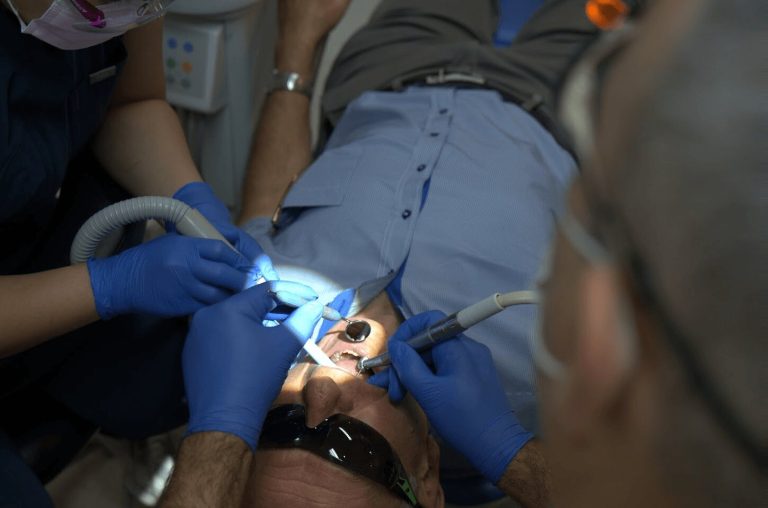
Missing teeth can affect much more than the appearance of your smile. A gap may make it harder to chew certain foods, change the way you speak and place additional pressure on the surrounding teeth. At The Smile Spot, we provide customised dental bridges in Dulwich Hill to restore missing teeth with a comfortable, natural-looking solution.
Living with a missing tooth can gradually change the way your mouth functions. Nearby teeth may begin to move into the open space, potentially affecting your bite and making some areas more difficult to clean. Replacing the missing tooth can help maintain better balance across your smile.
A dental bridge may help:
Modern bridges are made using strong, tooth-coloured materials selected to match the shape and shade of your natural teeth. The goal is to create a restoration that looks appropriate for your smile while providing reliable everyday function.
A dental bridge is a fixed restoration that replaces one or more missing teeth. Unlike a removable denture, it stays in place and is not taken out for daily cleaning.
A traditional bridge usually consists of an artificial tooth, known as a pontic, held in position by crowns placed over the teeth on either side of the gap. These supporting teeth are called abutment teeth.
Depending on your oral health and the location of the missing tooth, an implant-supported bridge may also be considered. This type of restoration is secured by dental implants rather than relying entirely on natural teeth for support.
Your dentist in Dulwich Hill will assess your gums, remaining teeth, jawbone and bite before recommending the most suitable approach. If an implant-based option is appropriate, you can learn more about our dental implants.
A bridge may be suitable when you have lost a tooth because of decay, gum disease, injury or an unsuccessful previous restoration. It may also be considered after an extraction once the area has healed sufficiently.
You could be a candidate if:
• One or more teeth are missing
• The surrounding teeth are healthy enough to provide support
• Your gums are in a suitable condition
• You want a fixed alternative to a removable denture
• You are looking for another option besides a single dental implant
Some supporting teeth may need treatment before the bridge can be fitted. For example, a heavily damaged tooth might require root canal treatment or additional restoration before it can safely support a bridge.
The best option depends on your individual circumstances. A thorough examination allows us to discuss the advantages, limitations, expected care requirements and costs involved.
Treatment begins with a consultation and detailed dental assessment. We examine the gap, surrounding teeth, gum health and the way your upper and lower teeth meet. X-rays or scans may also be recommended to evaluate areas that cannot be seen during a visual examination.
If a traditional bridge is selected, the supporting teeth are carefully prepared so that crowns can fit over them. Impressions or digital records are then taken to help create a bridge with an accurate shape and bite.
A temporary restoration may be placed while your permanent bridge is being made. Once the final bridge is ready, your dentist checks its colour, fit and alignment before securing it in position.
The number and timing of appointments will depend on the type of bridge, the health of the supporting teeth and whether any preparatory care is required.
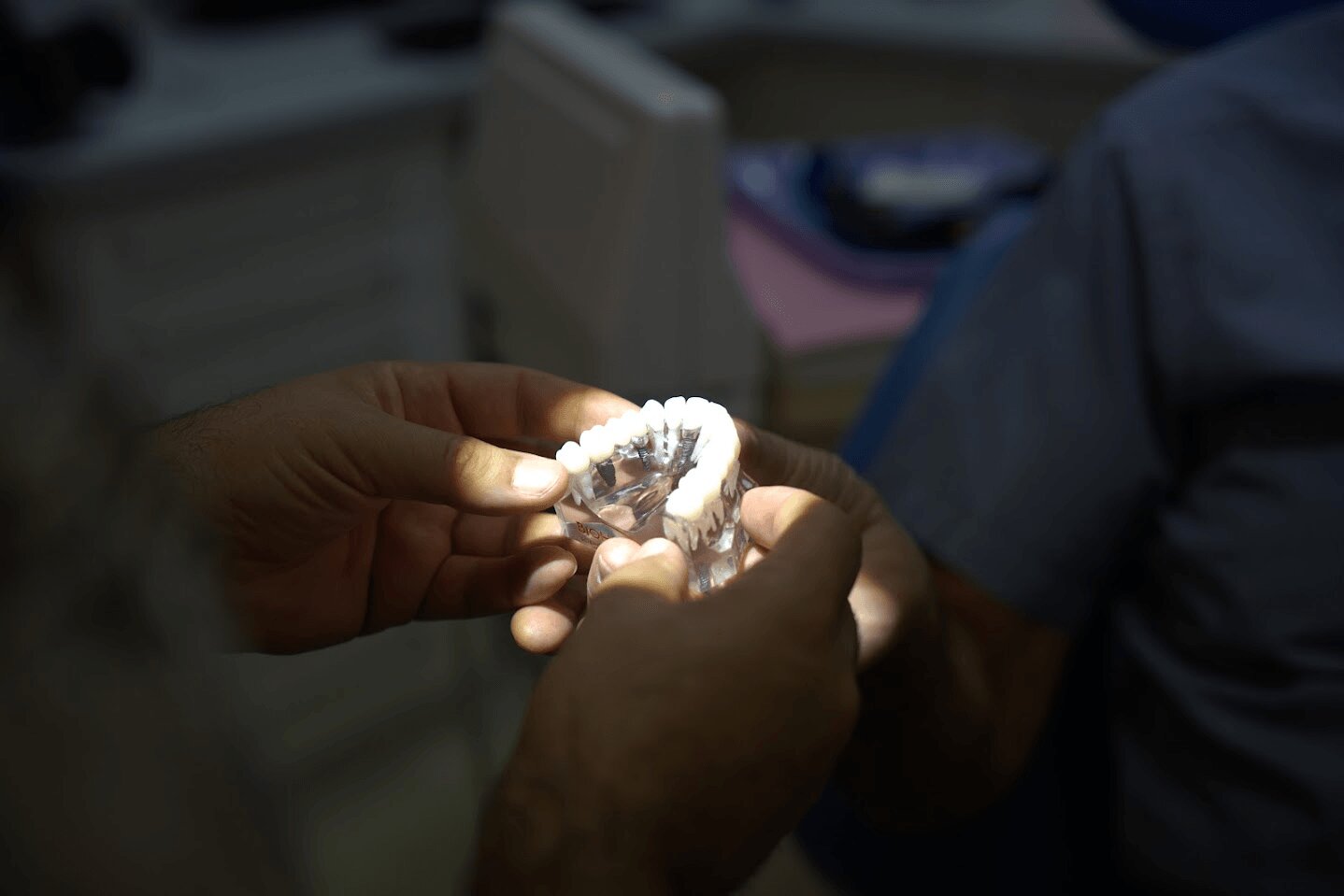
Dental bridges, crowns and implants are all restorative treatments, but they serve different purposes.
A bridge replaces a missing tooth or several missing teeth. A crown covers and strengthens an existing tooth that has been damaged, weakened or heavily restored. You can read more about dental crowns and how they may be used as part of a bridge.
A dental implant replaces a missing tooth root and can support a crown or bridge. Implants do not normally require neighbouring healthy teeth to be reshaped, but they involve a different procedure and require adequate bone and gum health.
There is no single solution that is right for every patient. We will compare the available treatments and help you understand which option best suits your dental health, priorities and budget.
Good daily care helps protect both your bridge and the teeth supporting it. Although the replacement tooth cannot develop decay, plaque and food can collect around the restoration and underneath the bridge.
Brush your teeth twice a day with fluoride toothpaste, and carefully clean the area around the bridge. Floss threaders, interdental brushes or a water flosser may help you clean underneath the replacement tooth. Our team can demonstrate the right technique for your restoration.
Regular dental check-ups are also important. These visits allow your dentist to check the bridge, supporting teeth, gums and bite so that potential concerns can be addressed early.
Avoid biting hard objects such as ice, pens or food packaging. Let your dentist know if the bridge feels loose, your bite changes or you develop sensitivity around the supporting teeth.
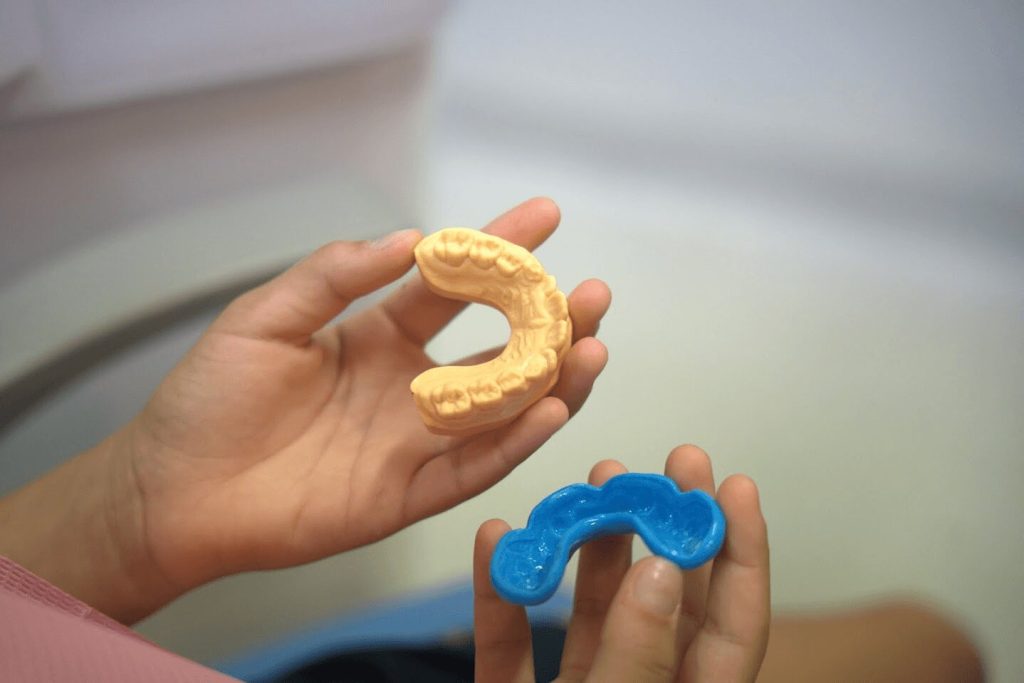
The lifespan of a bridge varies from person to person. Its longevity can be influenced by oral hygiene, gum health, bite pressure, the condition of supporting teeth and habits such as grinding or clenching.
A well-maintained bridge may provide many years of service, but no restoration lasts forever. Routine examinations and professional cleaning can help preserve the surrounding teeth and identify wear before it becomes a larger problem.
Patients who grind their teeth may be advised to wear a protective night guard. This can reduce excessive pressure on the bridge and other restorations while sleeping
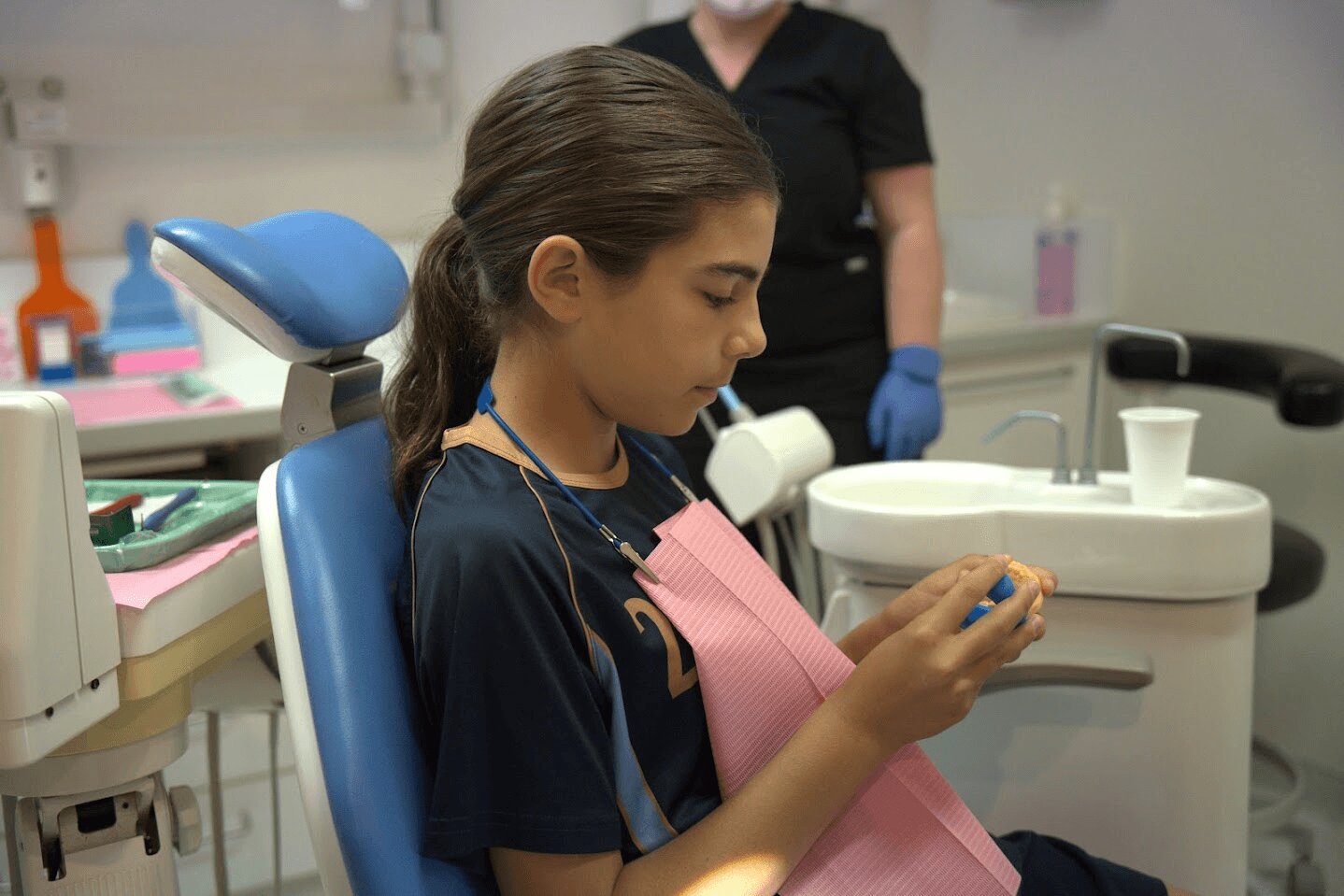
The cost of treatment depends on several factors, including the number of missing teeth, the bridge design, the materials selected and whether the supporting teeth need additional care.
An implant-supported bridge will have different costs from a traditional tooth-supported restoration. Your health fund may provide a rebate depending on your policy, waiting periods and annual limits.
After examining your teeth, we will provide a personalised treatment plan and explain the expected fees before you decide whether to proceed. This gives you the opportunity to ask questions and consider your options without feeling rushed.
Local anaesthetic is generally used when the supporting teeth are prepared, helping keep the appointment comfortable. Some temporary sensitivity may occur after treatment, but this often settles as the mouth adjusts.
Once the bridge has settled and your dentist has confirmed the fit, you should be able to eat a varied diet. It is sensible to avoid extremely hard or sticky foods that could place unnecessary pressure on the restoration.
A bridge can be designed to closely match the colour, size and shape of your natural teeth. The final appearance will depend on the location of the gap, available space, materials used and surrounding teeth.
Yes, a bridge may replace more than one missing tooth. The supporting teeth, implants and overall span of the gap must be assessed to determine whether the proposed restoration will have sufficient stability.
You should brush a bridge as you would your natural teeth, but additional cleaning is needed underneath the replacement tooth. Your dental team can recommend suitable flossing tools and demonstrate how to use them.
Replacing a missing tooth can be part of a broader plan to improve your oral health and confidence. After restoring the gap, some patients choose cosmetic care such as professional teeth whitening to refresh the appearance of their natural teeth.
Any cosmetic treatment should be discussed before your final bridge shade is selected because restorative materials do not whiten in the same way as natural enamel. Planning treatments in the right order can help produce a more consistent result.
You do not have to keep putting up with discomfort, difficulty chewing or feeling self-conscious about a missing tooth. A personalised consultation can help you understand whether a bridge is suitable and what other options may be available.
The Smile Spot provides caring restorative treatment for patients in Dulwich Hill and surrounding Inner West communities. We will assess your smile, explain each suitable approach and develop a treatment plan based on your needs.
Contact The Smile Spot to arrange a consultation for a dental bridge and take the next step towards a complete, comfortable smile.

The Smile Spot – Affordable Family Dentist, providing dental services at Dulwich Hill, Marrickville, Canterbury, Sydenham, Petersham, Lewisham, Summer Hill, Enmore, New Town, Earlwood, Wolli Creek, Bardwell Park, Arncliffe, Kogarah, Rockdale, Banksia, Bexley, Bexley North, Tempe, St. Peters, Erskineville, Sydney, Leichardt, Inner West.
Mon - Tue : 9 am -8 pm
Thu : 9 am -8 pm
Fri - Sat : 9 am -3 pm
Closed on Wednesdays and Sundays
Comprehensive Care Package includes examination, X-rays (as many as required), scale/clean and Fluoride treatment at $240 , For children under the age of 17 years $180.