You might be reading this after seeing yourself in a photo and focusing on the one thing everyone else probably ignored. A chipped front tooth. Teeth that look darker than you'd like. Crowding that stands out every time you smile in a meeting, on a video call, or at a family event.
That reaction is common. In Australia, over 55% of people feel self-conscious about their teeth, and almost 46% would prefer to change their teeth over any other feature according to Australian cosmetic dentistry trend reporting. If that sounds familiar, you're not being vain. You're responding to something you see every day.
A well-planned smile makeover can change that, but only when it's approached properly. The right plan doesn't start with “Which treatment is most popular?” It starts with “What's bothering you, why is it happening, and what's the most sensible way to improve it without doing more dentistry than necessary?”
I'm Dr. Dimitrios Thanos, and this is how I explain smile makeover treatment to patients in Sydney and the Inner West. Not as a menu of cosmetic procedures, but as a practical pathway. Some people need whitening and minor reshaping. Some need veneers. Others need crowns, implants, orthodontic correction, or a staged rebuild because the cosmetic problem is tied to bite wear, missing teeth, or failing old dental work.
Your Guide to a Confident New Smile
Many people considering a smile makeover in Sydney have been thinking about it for a long time before they ever book an appointment. They've learned how to smile with their lips closed. They avoid certain camera angles. They notice discolouration, uneven edges, spacing, worn teeth, or old dental work that no longer blends in.
Those concerns usually aren't just about appearance. They affect how relaxed you feel when you speak, laugh, eat out, or meet someone for the first time. That's why smile makeovers matter. They can improve how your teeth look, but they can also remove a daily source of self-consciousness.
Why the concern is so common
The desire to improve a smile is far more widespread than commonly understood. The Australian figures mentioned earlier show that concern about dental appearance is shared by a large part of the population, not a small cosmetic niche. For Sydney patients, that means you're not unusual for wanting change, and you're not overreacting by wanting a proper plan.
A smile makeover is often less about chasing perfection and more about removing the features that keep drawing your attention.
What patients usually want fixed
In practice, most smile makeover consultations revolve around one or more of these issues:
- Colour problems such as general staining, patchy whitening, or dark teeth that don't respond evenly
- Shape issues including chipped edges, short teeth, worn corners, or teeth that look too narrow or too square
- Alignment concerns like minor crowding, rotations, or spaces that disrupt the smile line
- Structural problems such as cracked teeth, failing fillings, old crowns, or missing teeth
- Gum display where the balance between teeth, lips, and gumline doesn't feel right
When those concerns are assessed together, the result is usually better than treating each one in isolation. That's the difference between cosmetic patchwork and a true smile makeover.
What Is a Smile Makeover Really
A smile makeover isn't one procedure. It's a custom treatment plan built around appearance, function, and long-term stability.
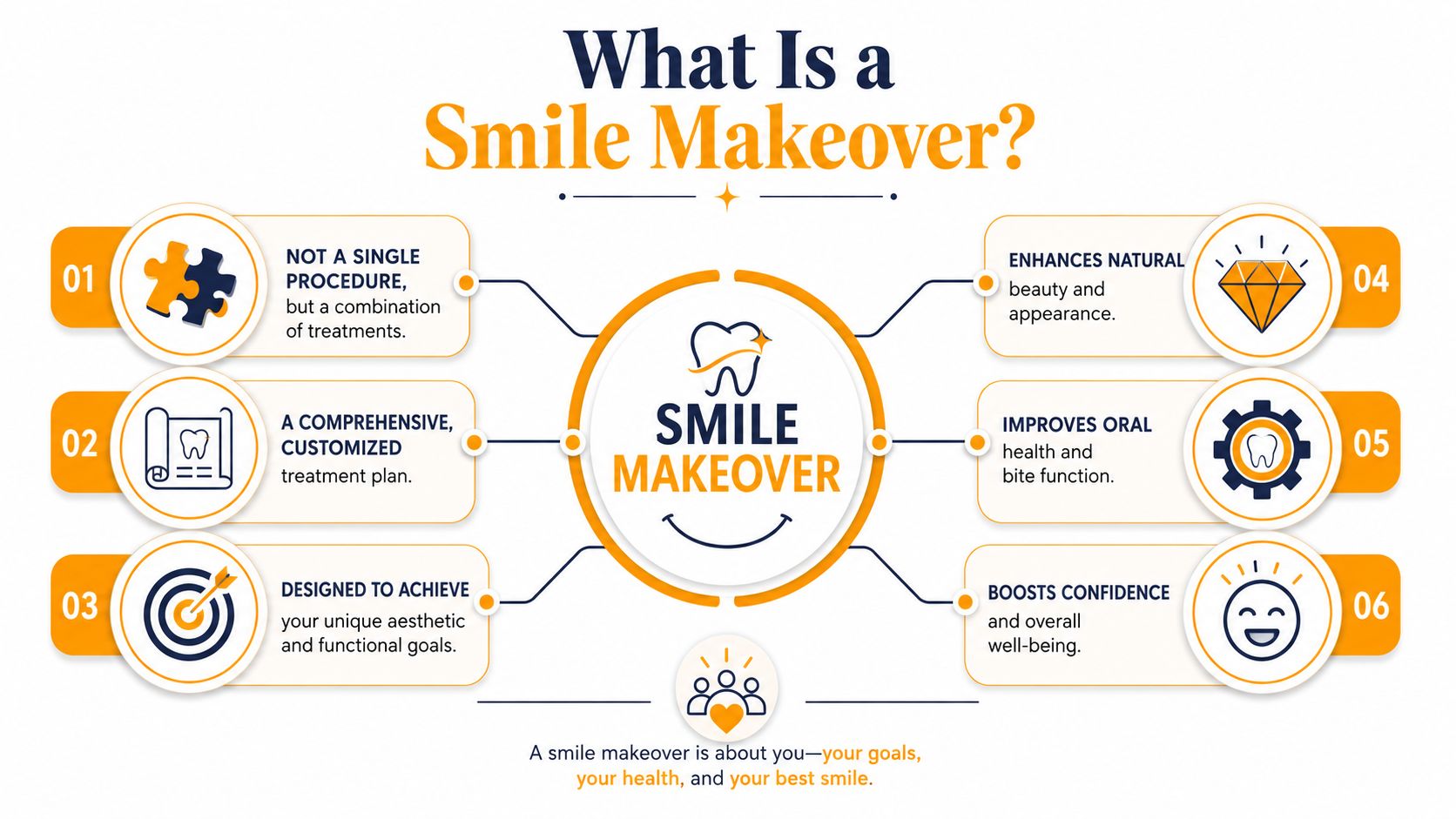
If you think of a single whitening session as repainting a room, a smile makeover is closer to an architect redesigning the whole front of the house. The point isn't just to make one element brighter. The point is to make shape, colour, proportion, bite, and facial harmony work together.
More than one isolated fix
A single treatment can help, but it has limits.
- Whitening can lift colour, but it won't straighten a rotated tooth or repair a worn edge.
- One crown can restore one damaged tooth, but it won't create symmetry if the surrounding front teeth also need attention.
- A veneer can improve shape and shade, but it isn't the answer for every crooked or unstable tooth.
That's why the phrase “smile makeover Sydney” should really be understood as a planning concept, not a product. The treatment might include veneers, crowns, whitening, alignment correction, implants, bridges, gum recontouring, or laser-based soft tissue refinement. The combination depends on the actual cause of the problem.
What a proper plan considers
A genuine smile makeover looks at the whole visual and functional picture:
| Area assessed | Why it matters |
|---|---|
| Tooth colour | Brightness needs to look natural across the whole smile |
| Tooth shape | Width, length, and edge design change how youthful or balanced teeth appear |
| Alignment | Even small rotations or overlaps can affect symmetry |
| Gumline | Too much or uneven gum display can distract from otherwise healthy teeth |
| Bite and wear | Cosmetic work has to survive chewing forces, not just look good on day one |
Some patients also ask about lip position and gummy smile concerns because the issue isn't always the teeth alone. If that's the feature bothering you, BotoxBarb's gummy smile treatment options offer a useful overview of one non-dental angle people sometimes explore alongside a dental assessment.
Practical rule: The best smile makeovers don't look “done.” They look like your features have come into balance.
Your Personalised Smile Makeover Treatment Options
When I build a smile makeover plan, I'm not looking for the treatment that does the most. I'm looking for the one that gives the best aesthetic return for the least biological cost, which reflects the decision-making standard discussed in this Australian treatment guide on veneers and cosmetic trade-offs.
That principle matters because cosmetic dentistry can be conservative or aggressive depending on the option chosen. The right answer isn't always the most dramatic one.
Whitening, veneers, crowns, or straightening
Here's how the main building blocks differ in practice.
| Treatment | Best suited to | What it solves well | Where it can fall short |
|---|---|---|---|
| Professional teeth whitening | General staining or dull shade | Brightens natural teeth without changing shape | Won't fix crowding, chips, or uneven proportions |
| Porcelain veneers | Front teeth with combined colour and shape concerns | Changes shade, contour, proportions, and minor visible alignment issues | Not ideal if underlying bite issues or decay are unresolved |
| Dental crowns | Teeth that are heavily restored, cracked, worn, or structurally weak | Restores strength and appearance together | Usually more treatment than a purely cosmetic tooth needs |
| Orthodontic correction | Teeth that are healthy but poorly positioned | Moves teeth rather than masking the position | Takes longer and doesn't alter tooth shape or colour by itself |
| Implants or fixed replacement options | Missing teeth or teeth beyond repair | Restores gaps and supports function | Needs careful planning with bone, gum health, and bite |
For patients comparing whitening and straightening as a starting point, Toothfairy dental services give a simple consumer-friendly explanation of how those choices are often weighed.
Where each option creates the most value
Some treatments work best when the problem is narrow and clear.
- Whitening first often makes sense when teeth are healthy and the main complaint is shade. If you're considering this route, our guide to professional teeth whitening explains what to expect and where it fits in a broader cosmetic plan.
- Veneers make sense when the issue is a combination of colour, shape, small gaps, and minor visible irregularity in the smile zone.
- Crowns are usually chosen when a tooth needs reinforcement as well as cosmetic improvement.
- Implant-based treatment comes into the picture when a missing tooth is disrupting both appearance and chewing.
What doesn't work well
The least successful cosmetic cases usually start with the wrong shortcut.
- Veneers used to avoid obvious orthodontic needs can create bulky shapes if too much position correction is attempted with ceramics alone.
- Whitening on teeth with patchy restorations can leave the smile looking mismatched.
- Crowns on otherwise healthy teeth can be unnecessary if a more conservative option would do the job.
- Cosmetic treatment before stabilising disease often leads to disappointment because the appearance problem returns with a functional one attached.
Patients often assume the “best” treatment is the one that changes the smile fastest. In reality, the best treatment is the one that solves the actual problem while preserving as much healthy tooth structure as possible.
Designing Your Smile Tailored Treatment Pathways
The most useful way to understand a smile makeover is to look at common goals and the treatment pathways that usually follow. The plan changes from person to person, but the logic stays the same. Diagnose first. Sequence properly. Restore only what needs restoring.
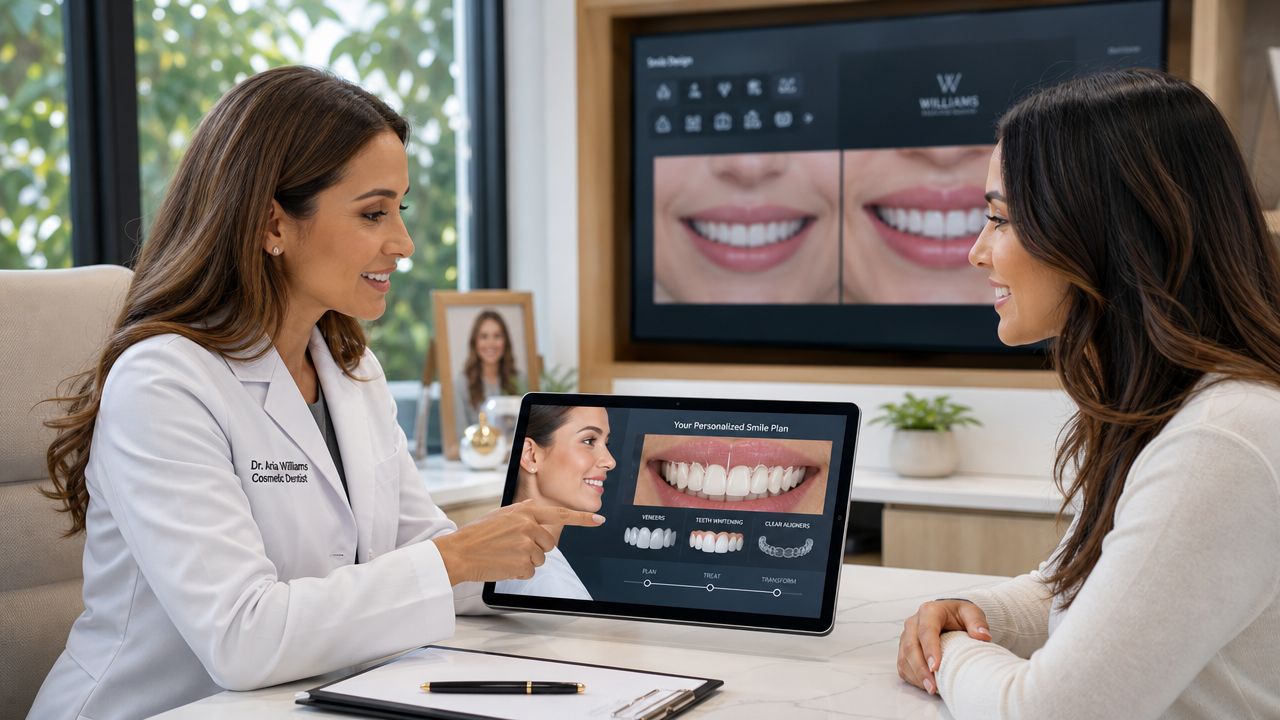
A successful plan requires a full diagnostic workup with X-rays, photos, models, and bite assessment, and issues such as gum disease or decay must be stabilised before final cosmetic work is completed, as outlined in this clinical overview of smile makeover planning in Sydney.
Goal-driven pathways
Here are the kinds of combinations that make sense.
Crooked-looking and stained front teeth
If the teeth are healthy but visually uneven, the pathway might involve:
- Assessment of true alignment severity
- Whitening if the natural teeth will remain visible
- Orthodontic correction or selective veneers, depending on how much position change is needed
When patients ask whether they can skip straightening and go straight to veneers, the answer depends on whether the tooth positions allow a natural result without overbuilding the ceramic. In many cases, combining cosmetic dentistry with dentistry and orthodontics creates the better long-term outcome.
Worn, short, or chipped teeth
This often isn't just a cosmetic issue. It can be linked to grinding, acid wear, or bite collapse. A sensible pathway may include:
- stabilising the bite
- rebuilding shape with bonding, veneers, or crowns
- adding protection such as a night guard if needed
Teeth that keep breaking are rarely asking for “better cosmetics.” They're asking for a better force pattern.
One dark or heavily restored front tooth
Isolated treatment can work, but only if the neighbouring teeth are considered too. The answer may be a crown, veneer, whitening around it, or adjustment to adjacent teeth so the single restoration doesn't stand out.
Full smile rehabilitation cases
Some patients aren't dealing with one aesthetic problem. They're dealing with missing teeth, failing restorations, worn dentition, and a smile they no longer trust.
In those cases, the pathway can involve staged treatment such as periodontal stabilisation, extractions where necessary, temporary restorations, implants or bridges, and final aesthetic reconstruction. Where whitening is part of the conversation but sensitivity is a concern, this guide to sensitive teeth whitening is a helpful overview of why whitening plans sometimes need to be adjusted.
The common mistake is trying to choose the final cosmetic material before the foundation is sorted. Good smile design isn't about jumping to veneers or crowns. It's about putting treatments in the order that gives them the best chance to last.
The Patient Journey From Consultation to Aftercare
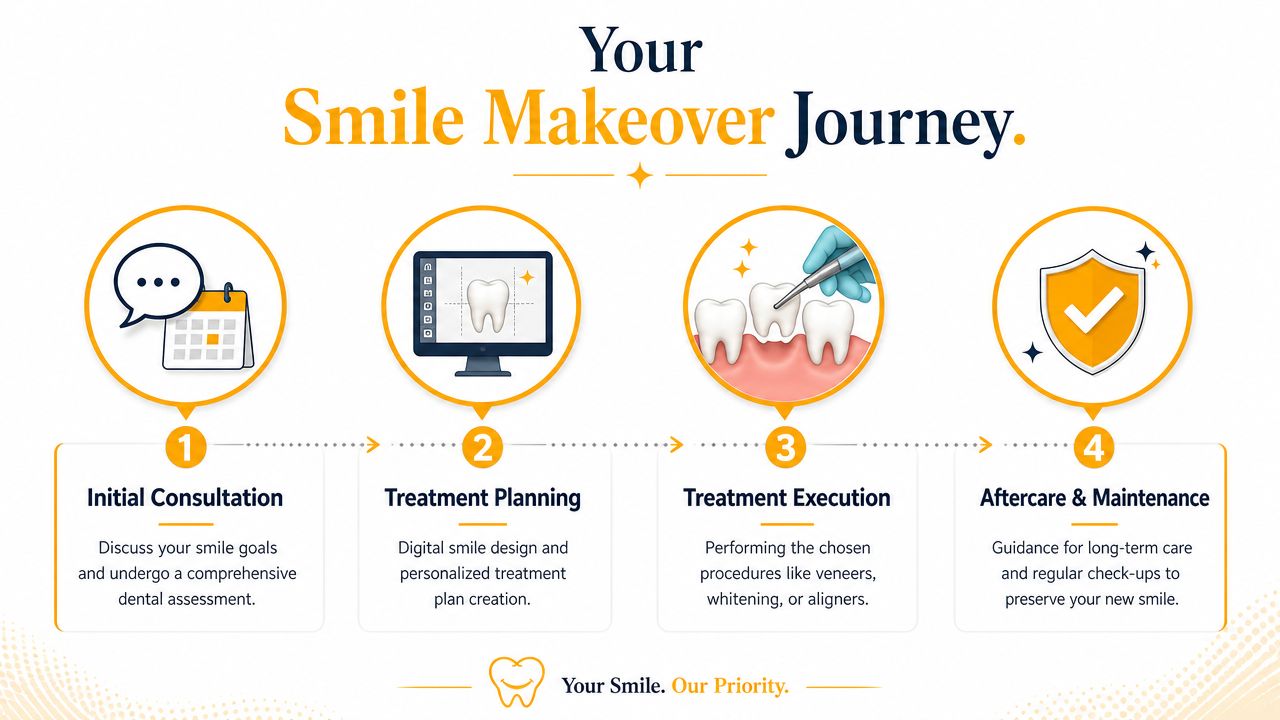
A smile makeover feels much less overwhelming when you understand the sequence. Many individuals find relief once they realise this isn't one giant leap. It's a series of planned decisions, each based on what your teeth, gums, bite, and goals require.
This process graphic gives the broad outline.
Step one and step two
Consultation and records
The first appointment is about listening before deciding. We discuss what you dislike about your smile, what result you want, how quickly you want to get there, and whether there are any comfort concerns, including anxiety or a strong gag reflex.
Then the records begin. Modern smile makeovers use digital smile planning with photography and scans to preview the result, and veneer cases commonly require at least three appointments, while more complex multi-unit cases can extend over several weeks or months depending on laboratory work, according to this overview of digital smile planning and treatment timing.
Digital planning
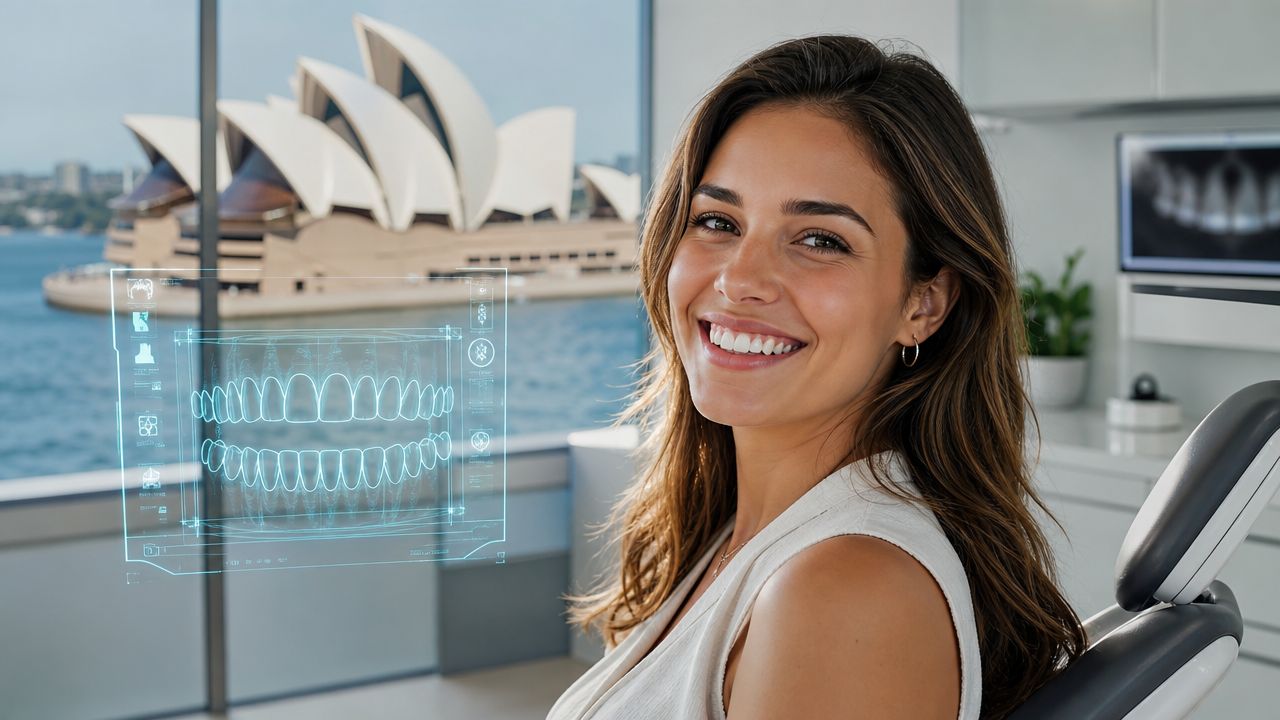
The treatment takes on a tangible form through photos, scans, and bite information, which let us test proportions, discuss tooth shapes, and preview how different levels of change might look. For many patients, this stage removes the fear of “ending up with the wrong smile” because they can see the direction before irreversible work is done.
Step three and step four
A short video can also help if you prefer to see cosmetic dentistry explained visually.
Treatment appointments
What happens here depends on the plan. Whitening may be straightforward. Veneers involve preparation, impressions or scans, temporaries where needed, and fit review. Crown and implant cases can involve more stages because healing, laboratory fabrication, and bite refinement all matter.
Patients are often surprised that the “cosmetic” phase can include some practical work first, such as replacing failing restorations, managing gum issues, or adjusting the bite. That extra care is what makes the final result feel stable rather than rushed.
Final fit and review
The reveal matters, but so do the details checked immediately afterwards. We assess edge position, speech, bite contact, comfort, and how the smile sits within the lips and face. Small refinements at this stage can make a major difference to how natural the result feels.
Aftercare that protects the investment
Aftercare isn't optional. It's part of the treatment.
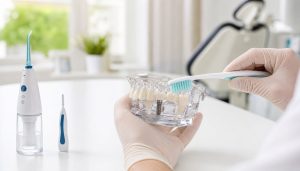
- Daily maintenance means brushing and cleaning around restorations properly, especially where crowns, bridges, or implants are involved.
- Review visits allow us to pick up minor wear, gum changes, or bite issues before they become expensive problems.
- Protection for grinders may involve a custom night guard if the new work is at risk from clenching.
- Healing guidance matters after implant treatment, and our guide to dental implant recovery time explains the kind of progress patients usually monitor.
The final appointment isn't the end of treatment. It's the beginning of maintenance.
Understanding Smile Makeover Costs and Financing in Sydney
Cost is one of the first questions patients ask, and rightly so. A smile makeover in Sydney isn't a fixed-price item because it isn't a single treatment. It's a combination of procedures chosen according to the number of teeth involved, the materials used, whether structural work is needed, and whether treatment has to be staged.
The most useful way to think about cost is as a range shaped by scope.
What Sydney pricing tells us
Indicative Sydney pricing shows that porcelain veneers start from A$8,990 for 8 veneers, 16 veneers are priced at A$15,000+, and 8 zirconia crowns also start from A$8,990 according to Sydney cosmetic dentistry pricing examples. That's helpful because it shows the scale of a real makeover. It usually involves multiple teeth, not one isolated cosmetic fix.
The same pricing approach also reflects how many cosmetic plans are structured in practice. Packages are commonly built around visible smile zones or larger arch-based changes rather than single-tooth treatment alone.
What increases or lowers the total investment
A patient needing whitening and minor refinements is in a different category from someone needing multiple veneers, crowns, or implant-supported work. Cost typically shifts based on factors like:
- How many teeth are being treated
- Whether the work is cosmetic only or also restorative
- Material choice, such as porcelain versus other options in suitable cases
- Laboratory complexity for custom design and fabrication
- Whether the case needs staging because of gum treatment, bite correction, or replacement of old dental work first
Value matters more than headline price
The lowest quote doesn't always produce the lowest lifetime cost. If the shape is wrong, the bite is unstable, or the planning is rushed, patients can end up remaking work that should have lasted much better.
That's why budgeting should include the quality of diagnosis, the amount of custom work involved, and the maintenance commitment afterwards. If you're comparing ways to spread treatment costs, our article on dentists with payment plans near me can help you think through financing more practically.
Why Choose The Smile Spot for Your Transformation
You might come in asking about veneers, then learn the underlying reason your smile does not look or feel right is a mix of colour, tooth position, worn edges, old dental work, or an unstable bite. That is where experience matters. A good smile makeover plan is not a list of cosmetic procedures. It is a decision about what to treat first, what can be kept conservative, and what will give you the best long-term result.
Dr. Dimitrios Thanos has served the Inner West as principal dentist since 1996, and that experience shows in treatment judgement. Some patients suit simple whitening and reshaping. Others need staged care that restores function before cosmetics. Choosing that path carefully protects the appearance of the final result and how well it lasts.
What that means in practice
For patients exploring treatment options, The Smile Spot provides preventive, cosmetic, implant, restorative, laser, and family dental care in Dulwich Hill, including veneers, crowns, whitening, implants, and All-on-4 solutions. That range is useful because many smile makeovers involve more than one problem and more than one type of treatment.
Comfort also shapes the experience. Patients judge the final smile, but they also remember whether the process felt calm, clear, and manageable.
- Advanced technology such as Biolase laser dentistry can support precise, minimally invasive treatment in suitable cases.
- Sedation options can help patients who have avoided care because of fear or difficult past experiences.
- Late evening and Saturday hours make treatment easier to fit around work and family life.
- Real case examples help set realistic expectations. You can view the before and after smile makeover gallery to see how different treatment combinations are used for different goals.
Good cosmetic dentistry should look natural, feel comfortable, and make sense as a plan, not just as a procedure.
Frequently Asked Questions About Smile Makeovers
Are smile makeover procedures painful
Most patients cope far better than they expect. Comfort depends on the treatment involved, but gentle technique, clear planning, and local anaesthetic make a major difference. For anxious patients, sedation can also make the process feel far more manageable.
Can I have a smile makeover if I already have fillings, crowns, or older dental work
Yes, often you can. Existing restorations need to be assessed as part of the plan. In some cases they can stay. In others, they need replacing so the final result looks consistent and functions properly.
How long do smile makeover results last
There isn't one universal answer because longevity depends on the treatment mix, your bite, home care, grinding habits, and review attendance. The key point is that long-lasting results usually come from conservative planning, quality materials, stable gums, and good maintenance.
Will my new smile look natural
That should always be the aim. Natural-looking cosmetic dentistry is based on proportion, texture, edge design, tooth position, and how the smile relates to the lips and face. Overly white, bulky, or identical-looking teeth rarely age well aesthetically.
What if I only want one thing fixed
That's completely reasonable. Not every consultation leads to a full makeover. Sometimes a patient only needs whitening, one crown, one veneer, or minor reshaping. The important part is checking whether that one change will improve the smile or whether it will make other issues stand out more.
How do I look after my smile afterwards
Keep it simple and consistent. Brush properly, clean between the teeth, attend reviews, and wear any protective appliance that's been recommended. Cosmetic dentistry lasts better when the surrounding teeth, gums, and bite are maintained just as carefully as the restorations themselves.
If you're thinking about a smile makeover and want clear, practical advice on what would suit your teeth, book a consultation with The Smile Spot. We'll assess your smile, explain the trade-offs, and help you decide on a treatment path that looks good, feels comfortable, and makes sense for the long term.