You notice it when you sip something cold. A quick zing from one tooth. Or maybe you've looked at your child's snack routine and wondered whether all those “little treats” are gradually adding up. Many assume tooth decay starts when a hole appears. It doesn't. It starts much earlier, and usually much more subtly.
The good news is that decay is preventable. In practice, how to prevent tooth decay comes down to understanding what's happening in your mouth every day, then making a handful of habits work in your favour. At our Dulwich Hill clinic, we often find that the biggest shift isn't learning to fear sugar more. It's learning how often teeth are exposed to acid.
Understanding the Battle in Your Mouth
Tooth decay isn't a sign that you've “failed” at brushing. It's a sign that the balance in your mouth has tipped the wrong way.
Every day, your teeth go through a constant cycle. Bacteria in dental plaque feed on sugars and produce acid. That acid pulls minerals out of the enamel. Dentists call this demineralisation. Your saliva then works to neutralise acid and return minerals to the tooth. Fluoride helps this repair process. That's remineralisation.
When repair wins often enough, teeth stay strong. When acid attacks happen too often, the balance shifts and decay starts.
Why frequency matters more than people think
A lot of people focus only on the amount of sugar they eat. Amount matters, but frequency of exposure is often the more useful day-to-day idea. If you snack, sip sweet drinks, or graze across the day, you keep restarting acid attacks. Teeth don't get enough quiet time to recover.
That's why someone who has one dessert with dinner may be at lower risk than someone who has small sweet snacks and drinks all afternoon.
Practical rule: Every eating or drinking event can create a fresh acid challenge. Fewer episodes usually means less stress on enamel.
The preventive dental care advice on our blog goes into the broader picture, but the simple version is this. Decay prevention isn't about perfection. It's about tipping the daily environment in your favour.
The three players that matter most
- Plaque bacteria feed on sugars and acids in your diet.
- Saliva acts like a natural defence system by diluting acids and helping repair enamel.
- Fluoride strengthens teeth and supports that repair process.
The aim isn't to sterilise your mouth. It's to reduce how often bacteria get fuel, clean plaque away effectively, and give enamel regular access to fluoride and saliva. Once you understand that tug-of-war, the rest of prevention makes much more sense.
Your Daily Defence Master Your Oral Hygiene Routine
A solid home routine does more than make teeth feel clean. It removes the plaque that holds acid-producing bacteria against enamel, and it leaves behind fluoride where teeth need it most.
Australian clinical guidance is very clear on the basics. A step-by-step protocol recommends brushing twice daily with fluoride toothpaste containing 1000 to 1500 ppm for 2 minutes, followed by daily flossing, and reports that following this routine can reduce caries incidence by up to 24%. The same guidance also notes that 42% of adults skip flossing daily, which raises the risk of decay between teeth. This is summarised in the verified Australian protocol provided for this article.
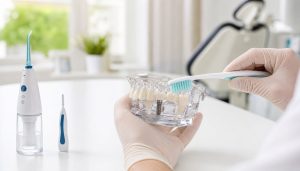
Start with the visual basics below.
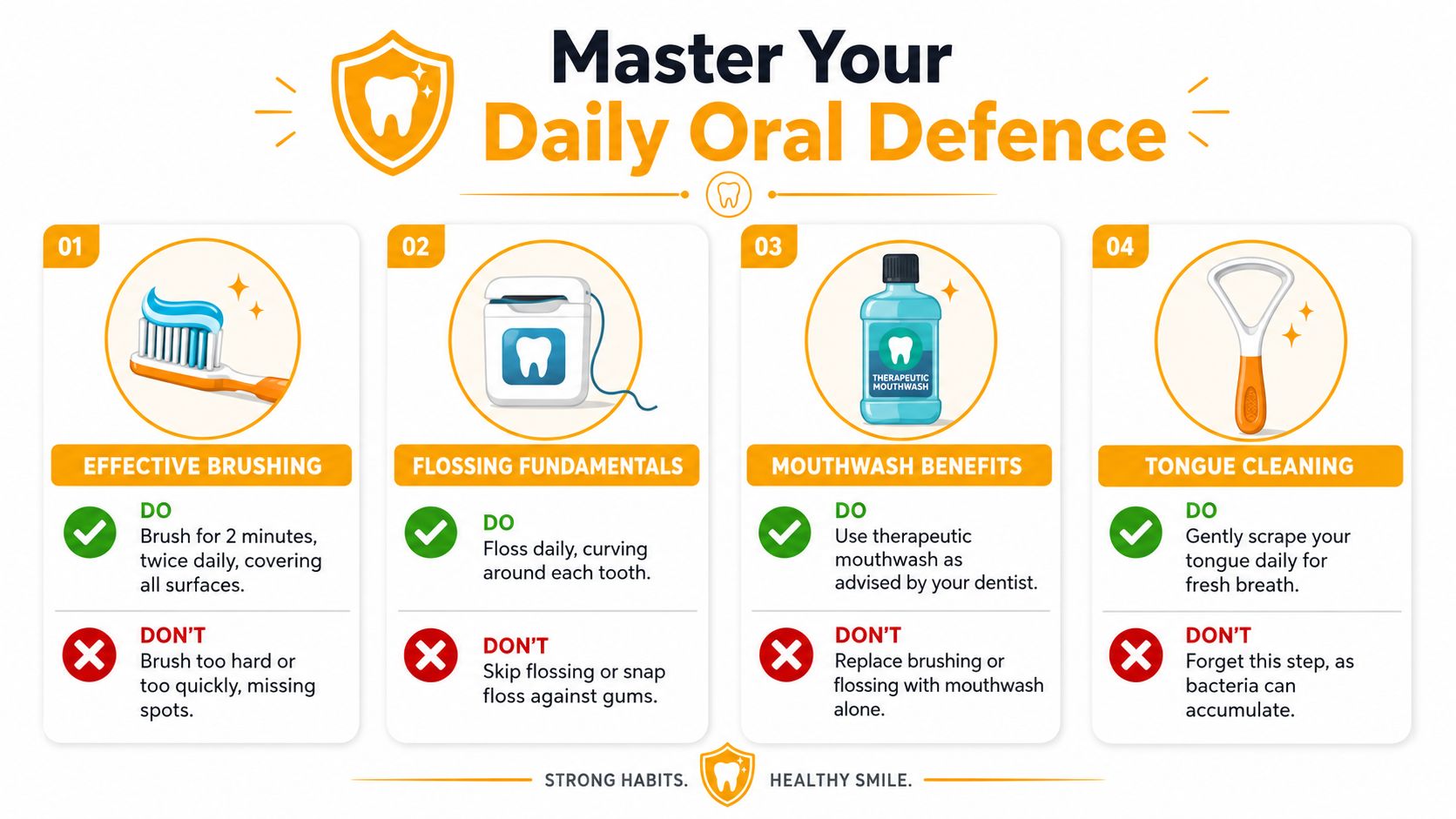
Brushing well matters more than brushing hard
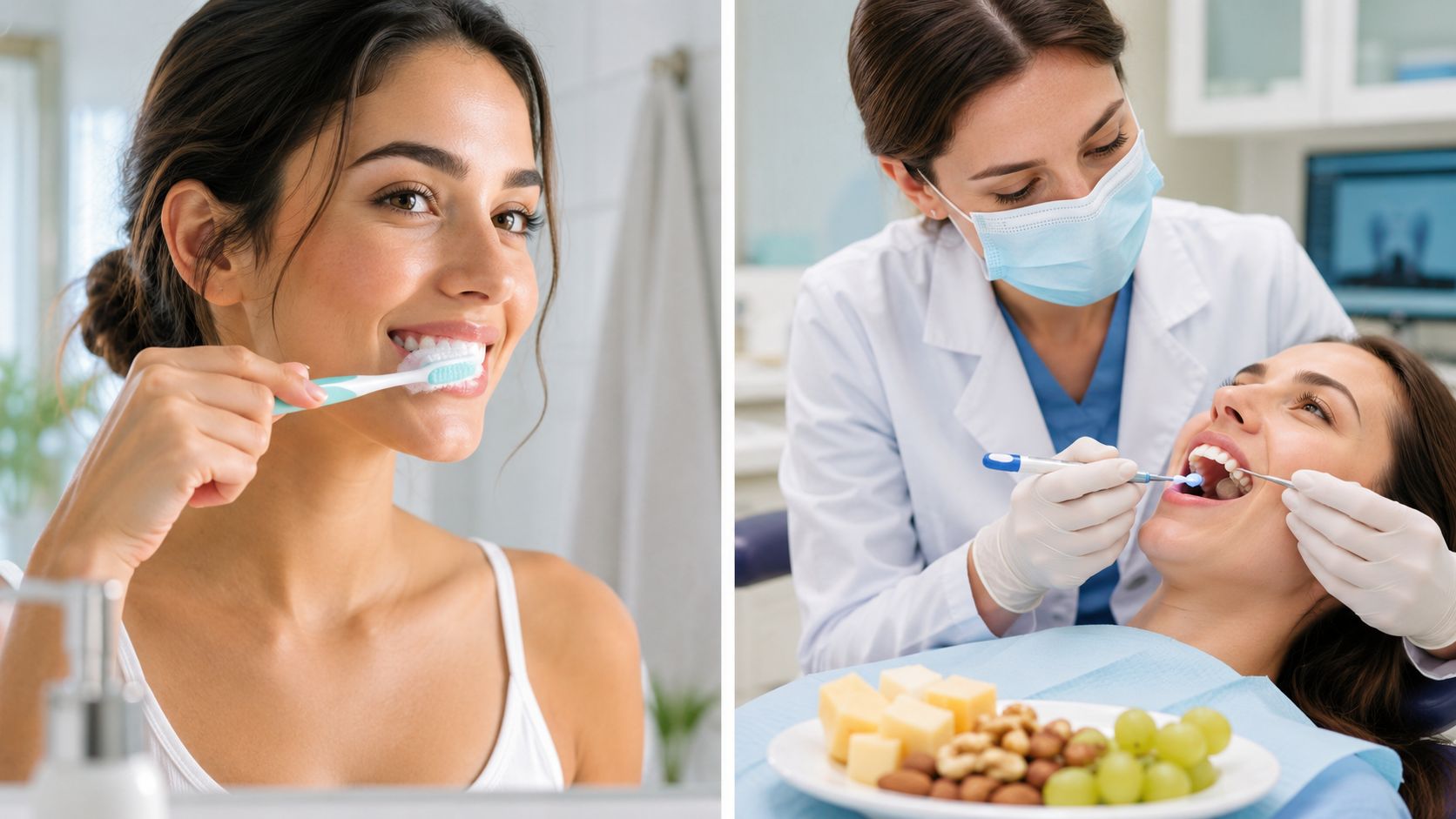
Use a soft-bristled toothbrush. Angle the bristles at 45 degrees to the gumline and move them gently along the front, back, and chewing surfaces. The goal is to disturb plaque at the gum margin, where it likes to sit.
Brushing harder doesn't clean better. It usually just makes people rush and miss areas, or irritate the gums.
A simple checklist helps:
- Use the right toothpaste. Choose fluoride toothpaste in the 1000 to 1500 ppm range.
- Brush for the full 2 minutes. Split the mouth into sections if that helps.
- Cover every surface. Outside, inside, and chewing edges all matter.
- Spit, don't rinse straight away. If you immediately wash your mouth out with water, you also wash away some of the fluoride you want sitting on the teeth.
One mistake we see often is what people think is “good enough” after food. A quick rinse after a snack isn't the same as brushing. The verified clinical guidance warns against proxy brushing, meaning rinsing instead of brushing, because it leaves plaque behind.
If you wear a night guard or appliance, keeping that clean matters too, because anything that sits against teeth can collect plaque. Our guide on how to clean a mouth splint properly is useful if you use one regularly.
A short demonstration can also help if you want to check your technique.
Flossing is where many routines break down
Flossing isn't just about “getting food out”. It removes plaque from the tight spaces a brush can't reach.
The method matters:
- Guide the floss gently between the teeth. Don't snap it into the gums.
- Curve it around one tooth in a C-shape.
- Slide below the gumline slightly and move it up and down.
- Repeat on the neighbouring tooth before moving on.
If your gums bleed when you floss, that usually means the area needs better cleaning, not that you should stop.
If floss feels awkward, interdental brushes can be a good option for some adults, especially where there are slightly larger spaces or dental work to clean around. The best tool is the one you'll use correctly every day.
What works and what doesn't
A few trade-offs are worth being honest about.
- Electric vs manual brushes. Both can work well. Technique and consistency matter more than brand.
- Mouthwash. It can be useful in some situations, but it doesn't replace brushing and flossing.
- Whitening toothpaste. Some people like the feel of it, but it isn't the centre of decay prevention. Fluoride is.
The strongest routines are usually boring in the best possible way. They're simple, repeatable, and done properly.
Control the Fuel The Truth About Diet and Sugar
People often ask whether they need to give up sugar completely. Usually, no. What matters more is understanding when and how often your teeth are exposed to sugar and acid.
The World Health Organization recommends keeping free sugars below 10% of total energy intake, ideally below 5%, and also encourages twice-daily brushing with fluoride toothpaste containing 1000 to 1500 ppm as part of preventing dental caries across life. The same WHO guidance says children under 2 shouldn't have sugar-sweetened beverages and that water should be the main drink, as outlined in the WHO oral health fact sheet.
Think in acid attacks, not just teaspoons
Every time you eat or drink something sugary, bacteria in plaque make acid. That acid softens enamel. If you keep snacking, sipping soft drink, sweetened coffee, juice, or sports drinks, you keep extending the time your teeth spend under pressure.
That's why snacking frequency is such a powerful idea. Even small amounts, repeated often, can be harder on teeth than one larger sweet food eaten with a meal.
A verified NSW study adds something practical here. It found that limiting between-meal sugar and drinking fluoridated water after meals reduced acid exposure by 45% and lowered decay risk by 22% in high-risk groups.
What to change in real life
You don't need a perfect diet to protect your teeth. You need fewer acid episodes.
Try these practical shifts:
- Keep sweet foods with meals rather than spreading them across the day.
- Choose water after eating to help clear the mouth.
- Avoid sugary food after night brushing because saliva naturally drops during sleep.
- Watch sticky snacks. Foods that cling to grooves and between teeth stay in contact longer.
- Be careful with acidic drinks, even when they're sugar-free, because acid can still soften enamel.
For families, this matters just as much as for adults. Constant grazing, snack pouches, biscuits in the pram, and casual juice habits can create a pattern of repeated acid exposure long before anyone sees a visible cavity. Our family dental care guide goes into the practical side of building routines that work at home.
Helpful swaps instead of strict rules
The best diet advice is realistic. Individuals generally do better with swaps than bans.
Consider options like:
| Situation | Higher-risk habit | Lower-risk habit |
|---|---|---|
| Afternoon slump | Sipping sweet drinks for hours | Having a drink once, then switching to water |
| Child snack time | Frequent sticky snacks | Snacks served at set times |
| Late-night routine | Dessert or soft drink after brushing | Finishing food before brushing, then water only |
If you want extra ideas for cutting back without feeling deprived, Rip Van's guide to healthier sugar habits is a practical resource.
Teeth cope better with a clear start and finish to eating than with constant nibbling.
Advanced Prevention for Higher Risk Situations
Some people do “all the right things” and still get decay more easily. Usually there's a reason. The common thread is that the mouth stays dry, plaque is harder to remove, or acid exposure happens more often than the person realises.
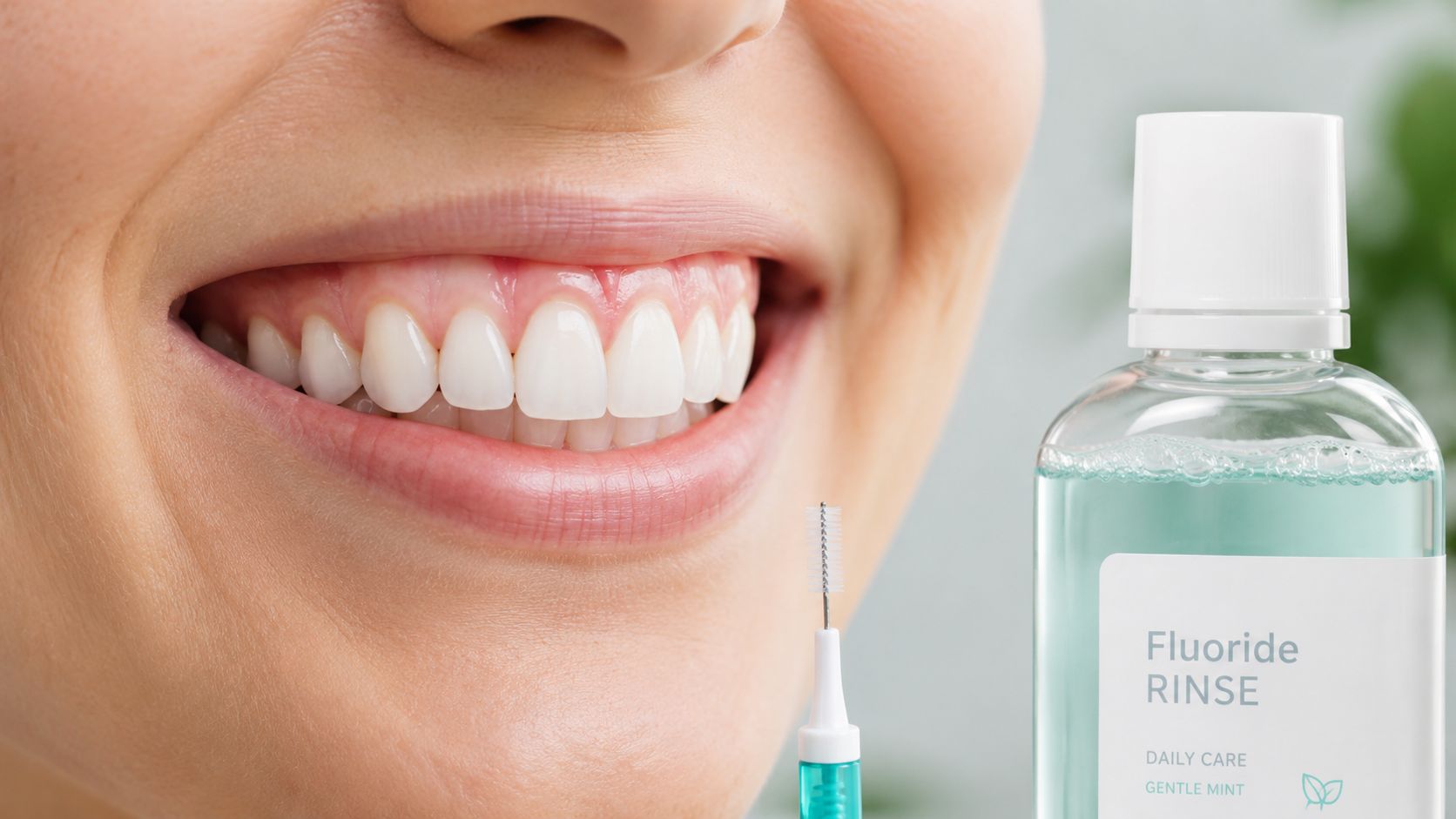
Dry mouth changes the whole risk picture
Saliva protects teeth. It helps neutralise acid, washes food away, and supports natural repair. When saliva drops, decay risk rises.
Dry mouth is common in people who:
- Take regular medications that reduce saliva flow
- Breathe through the mouth, especially at night
- Work long shifts and sip coffee frequently
- Wake with a dry mouth or sticky feeling every morning
NIDCR notes that limiting between-meal snacks reduces repeated acid attacks, that saliva flow drops during sleep, and that avoiding sugar after bedtime brushing matters because teeth are less able to repair overnight. That's covered in the verified NIDCR summary provided for this article.
For dry mouth, practical support often includes steady hydration, being careful with frequent acidic or sweet drinks, and chewing sugar-free gum with xylitol if it suits you.
When standard advice isn't enough
Higher-risk patients often include people with braces, bridges, crowded teeth, gum recession, or a long history of fillings. In those cases, prevention needs to be more targeted.
The verified data available for this article notes that xylitol gum at 10 g per day increases salivary flow by 28% and reduces Streptococcus mutans by 40%, and that 0.12% chlorhexidine rinse used as 10 mL twice daily for 14 days after treatment reduces bacterial load by 75%. These are not tools for everyone, but they can be useful in selected situations under professional advice.
A few examples of higher-risk adjustments:
- For dry mouth. Sip water regularly, avoid letting sweet drinks become an all-day habit, and ask whether xylitol gum is appropriate.
- For hard-to-clean areas. Add interdental brushes where floss doesn't work well.
- For repeated early decay. Ask about professional fluoride options and whether your routine needs to change after meals and snacks.
- For children with deep molar grooves. Consider protective sealing early. Our article on fissure sealants explains where they fit.
Small habits that make a bigger difference in high-risk mouths
If you're higher risk, “pretty good” habits may not be enough. Precision matters more.
That often means:
- brushing thoroughly, not quickly
- keeping snack times defined
- finishing eating earlier at night
- using fluoride consistently
- getting help before a weak spot turns into a cavity
What usually doesn't work is trying to compensate with mouthwash alone, chewing gum while still grazing all day, or assuming that diet soft drinks are harmless because they aren't sugary.
Partnering with Your Dentist for Professional Prevention
Home care is the foundation. Professional care catches what home care can't.
That's especially important because early decay often starts in places people can't easily see. Between teeth. In the grooves of molars. Around old fillings. Near the gumline where plaque sits for months.
What a check-up adds
A professional visit isn't just a polish. It allows a dentist or hygienist to remove hardened build-up that a toothbrush can't shift, check for early weak spots, and assess whether your routine matches your risk level.
That matters because prevention is rarely one-size-fits-all. Someone with dry mouth, crowded teeth, snack-heavy workdays, or a child with newly erupted molars may need a different plan from someone with a lower-risk mouth.
At professional teeth cleaning appointments, the aim is to remove plaque and tartar thoroughly, review technique, and spot problems while they're still small enough to manage conservatively.
Sealants and fluoride have a clear role
Two preventive treatments deserve special mention.
First, dental sealants. Verified data for this article states that protective sealants on the chewing surfaces of back teeth can prevent 80% of decay in the deep grooves of molars, with strong retention over several years. That makes them particularly useful for children, teens, and some adults with deep fissures that trap plaque easily.
Second, professional fluoride applications. These are useful when enamel needs extra support or when someone has a pattern of early decay, dry mouth, or other risk factors. The verified Australian data also notes that biannual fluoride varnish and sealant use can support strong caries prevention in children.
A dentist can often see risk before a patient feels symptoms. That's one of the biggest advantages of regular reviews.
Prevention works better when it's personalised
Individual planning matters. For one patient, the key issue is frequent coffee with sugar. For another, it's a child who snacks constantly after school. For someone else, it's recession near the gumline or a dry mouth linked to medication.
The Smile Spot is one option for that kind of preventive planning. In practice, that means looking at your habits, previous dental history, and cleaning challenges, then matching that with tools such as fluoride support, sealants, bitewing X-rays when needed, and practical changes you can maintain.
The earlier a risk pattern is identified, the easier it is to keep treatment simple.
A Lifetime of Healthy Smiles Age-Specific Dental Advice
Decay prevention changes with age. The core ideas stay the same, but the daily challenges are different for a toddler, a busy adult, and an older person managing dry mouth or gum recession.
The table below gives a practical overview.
Tooth Decay Prevention by Age Group
| Age Group | Primary Focus | Key Actions |
|---|---|---|
| Children | Building habits early and protecting new teeth | Brush with age-appropriate supervision, keep water as the main drink, avoid frequent sweet snacks, ask about sealing molars, and arrange regular dental reviews |
| Adults | Managing lifestyle risk and maintaining existing dental work | Keep meals and snacks structured, clean carefully between teeth, watch frequent coffee, soft drink, and convenience snacking, and monitor around fillings, crowns, and gumlines |
| Older adults | Protecting exposed root surfaces and managing dry mouth | Review medicines that may affect saliva, keep hydration up, use cleaning aids that suit dexterity, clean dentures and natural teeth carefully, and seek tailored fluoride advice |
Children need help longer than many parents expect
Young children usually don't have the dexterity to clean thoroughly on their own. They may brush enthusiastically, but they still miss the gumline and the back molars.
For families, the biggest wins are often:
- Keeping water normal from the start
- Avoiding sugary drinks in toddlers
- Supervising brushing until the child can do it properly
- Getting molars checked early because grooves can trap plaque quickly
If you'd like more child-focused guidance, our paediatric dental care article covers what to watch for at different stages.
Adults often struggle with routine drift
Adult decay usually isn't about not knowing what to do. It's about inconsistency. Busy mornings, coffee on the commute, afternoon grazing, late-night eating, and missed flossing all stack up.
A useful self-check is simple:
- Are you eating often enough to keep restarting acid attacks?
- Are you cleaning between the teeth where problems often start?
- Are you finishing the day with fluoride on the teeth, not food?
Those questions matter more than whether your routine looks perfect on paper.
Older adults face a different set of pressures
As people age, gum recession can expose root surfaces that are more vulnerable than enamel. Dry mouth becomes more common. Some people also find brushing and flossing harder because of arthritis, reduced grip, or more complex dental work.
In those cases, prevention usually gets easier when tools are adapted. Larger-handled brushes, floss aids, interdental brushes, and a more personalized fluoride plan can make a big difference.
The long-term message is steady rather than dramatic. Good prevention rarely comes from one big change. It comes from repeatable habits, lower acid frequency, effective fluoride use, and regular professional support when needed.
If you want personalised advice on how to prevent tooth decay for yourself or your family, The Smile Spot can help you work out what's driving your risk and which preventive steps are worth focusing on.