You're probably here because you want a better smile, but you don't want to make a costly mistake getting there. Maybe you've looked at whitening, veneers, or straightening, then realised the harder question isn't what looks good online, it's what's sensible for your teeth, your budget, and your long-term oral health.
Cosmetic dentistry Australia covers a wide range of treatments, from small repairs to full smile makeovers. It also sits inside a much bigger dental picture, because elective cosmetic work only makes sense when the gums, bite, and underlying teeth are in good shape first.
Understanding Your Cosmetic Dentistry Options
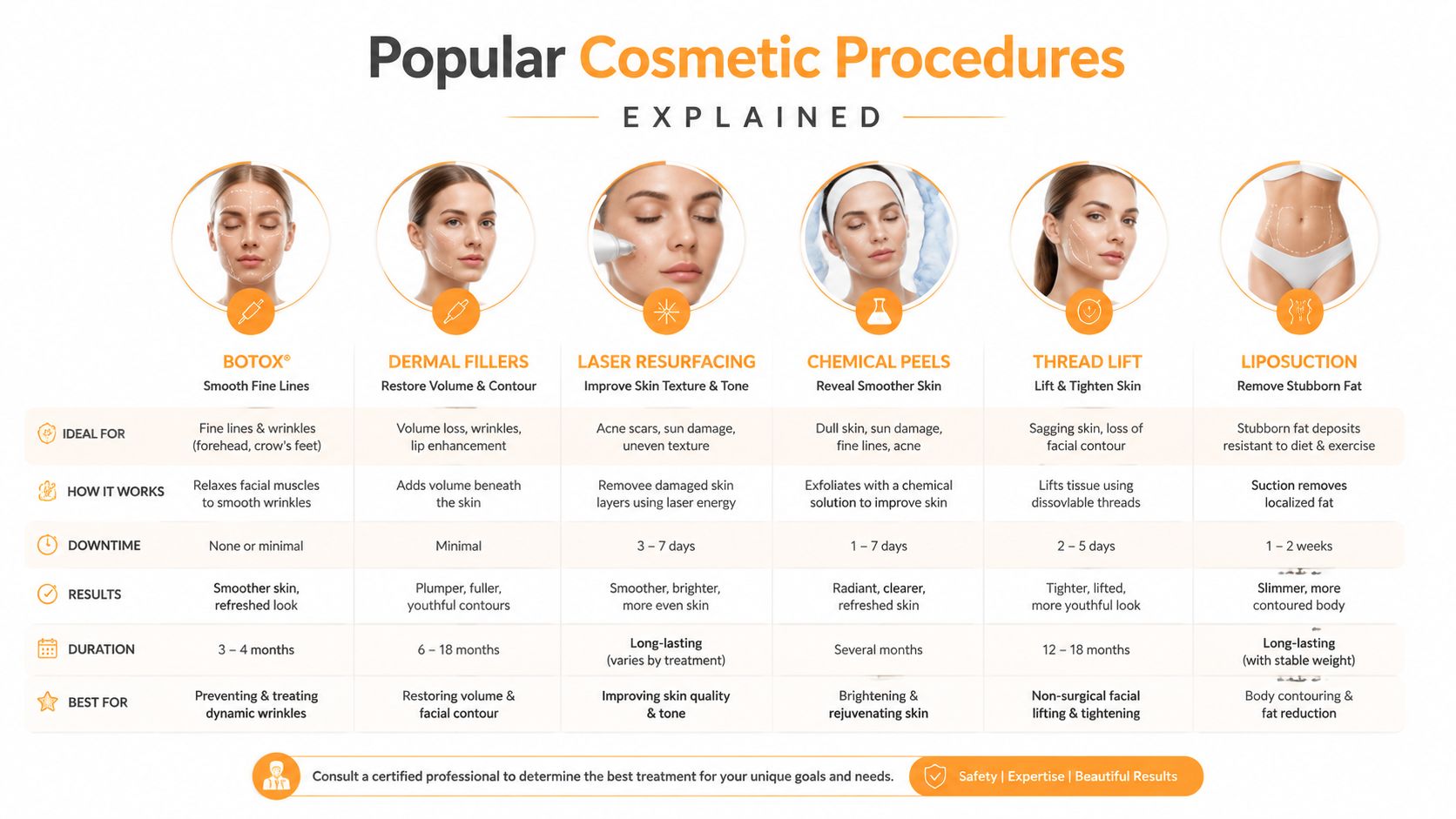
A patient can walk in with two front teeth that look uneven from years of wear and expect a quick fix. The better answer is usually a treatment plan that balances appearance, structure, maintenance, and what the budget can realistically carry without putting preventive care on hold. That is the part many cosmetic guides leave out.
Start with the treatment that matches the problem
Teeth whitening suits healthy teeth that are stained rather than damaged. It is the simplest option when colour is the main concern, and it can be done in-chair or at home under dental guidance. If your teeth are sound but the shade bothers you, whitening is often the least invasive place to begin, and professional teeth whitening guidance is worth reading before you book anything.
Bonding is different. It is used for small chips, minor shape changes, and gaps, and it can be a good way to improve a front tooth without preparing much enamel. The trade-off is durability, because bonding usually needs more maintenance than porcelain. It can suit a patient who wants to improve the smile now and keep options open later.
Veneers suit patients who want a longer-term aesthetic change and are prepared for a more involved process. They work well for worn, uneven, discoloured, or slightly crowded front teeth when the bite and gum health are stable. Crowns are the stronger option when a tooth has lost structure and needs both coverage and support.
If the issue is mainly front-tooth appearance, the choice often comes down to how much tooth structure you want to preserve now and how much maintenance you are willing to accept later. That is also where orthodontic and cosmetic dentistry options may need to be discussed first, because minor alignment correction can sometimes reduce the need for more aggressive cosmetic work.
Practical rule: if the tooth is healthy but cosmetically imperfect, conservative treatment usually makes more sense than covering everything with ceramic.
When replacement becomes part of the smile plan
If teeth are missing or too damaged to save predictably, bridges and dental implants move from cosmetic treatment into restorative care. That matters because a smile makeover has to work when you bite, chew, and clean it, not just in photos.
Implants are often discussed alongside All-on-4 full-arch solutions for patients missing many teeth. Those cases are more complex, but they are often the right conversation when function and appearance both need rebuilding. In practice, the best cosmetic result usually comes from a sequence of treatment, not a single product chosen in isolation.
A careful plan also protects the essentials. If gums are inflamed, decay is active, or the bite is unstable, cosmetic work should wait while those problems are addressed. Skipping that step can turn a cosmetic upgrade into a repair job later.
The big difference is not just appearance
A quick whitening appointment can improve shade fast. A veneer case can change shape, symmetry, and brightness at once, but it asks more from the teeth and from the person maintaining it. Bonding sits in the middle, with less tooth preparation but more ongoing upkeep. That is why a good consultation does not start with “what do you want?”, it starts with “what can your teeth safely support?”
Popular Cosmetic Procedures Explained
Australian patients usually arrive with a short list of the same treatments, whitening, veneers, crowns, bonding, implants, and full smile makeovers. The smart move is to compare them by what they do in the mouth, not by how polished the marketing looks.
Whitening and bonding, the conservative end of the spectrum
Whitening is the least invasive cosmetic procedure to consider. In-chair whitening is quicker and more controlled, while take-home systems work more gradually and depend more on compliance. Results vary because natural tooth colour, existing restorations, and staining history all affect the outcome, and whitening won't change the colour of fillings, crowns, or veneers.
Bonding uses tooth-coloured resin to reshape or repair visible teeth. It's useful when a chip or edge defect is the main issue, and it can often be completed in one visit. The trade-off is that resin can stain and wear faster than ceramic, so it's a repair strategy, not a forever solution.
Veneers, crowns, and the difference between coverage and structure
Veneers are thin coverings bonded to the front of teeth. Composite veneers are usually more repairable and more conservative upfront, while porcelain options are generally chosen when the aim is a more stable colour and surface finish over time. Premium ceramic systems such as Zirkonzahn Skin and E.max are selected for specific aesthetic and strength reasons, depending on the case.
Crowns cover the whole visible tooth. They're appropriate when a tooth is cracked, heavily restored, or too weak for a veneer. The preparation is more involved than with bonding, but the restoration can be more protective when structural support matters.
A veneer is about reshaping the visible face of a tooth. A crown is about restoring a tooth that needs full coverage.
Bridges, implants, and full-arch solutions
If a tooth can't be saved, bridges can replace the visible space by using neighbouring teeth for support. Implants replace the root as well as the crown, which is one reason they're often chosen for more durable single-tooth or multi-tooth replacement. All-on-4 is used when an entire arch needs rehabilitation and the person wants a fixed full-arch solution rather than a removable denture.
The practical question is which option gives the best result for the least unnecessary tooth reduction. That answer changes case by case, which is why a proper consultation matters more than a trend list.
Real Costs and Financing Your Treatment
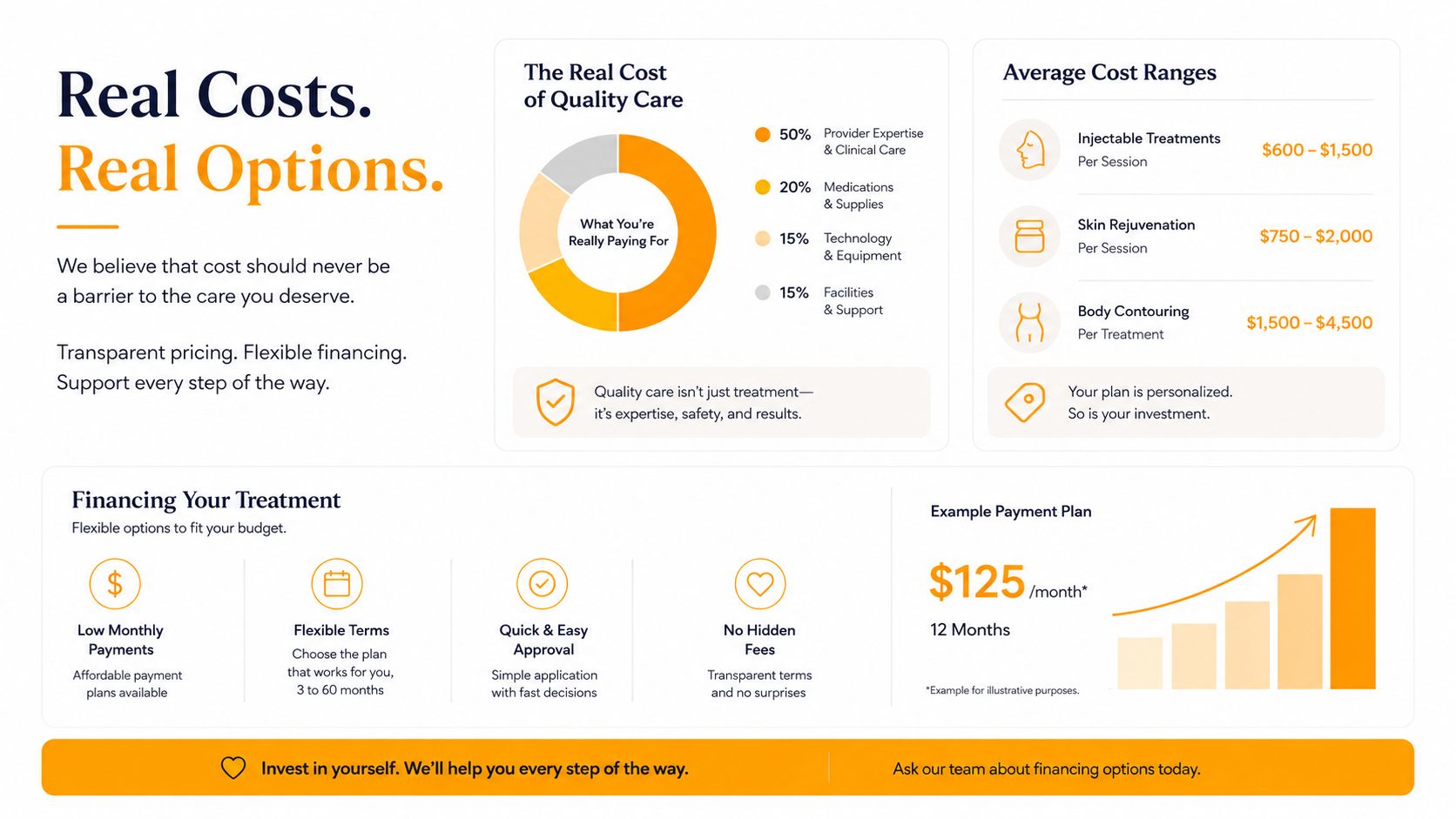
Cost is where cosmetic dentistry becomes real. People do not just weigh appearance against health, they weigh it against rent, groceries, school fees, private health premiums, and the next needed check-up. That is why the affordability conversation has to be honest, not glossy.
The dental bill and the cosmetic bill are not the same thing
Australia's cosmetic dentistry market was valued at US$369.2 million in 2022 and is projected to reach US$1,119.4 million by 2030, which points to strong demand across the sector rather than a fringe niche, with demand led by dental systems and equipment in 2022 and orthodontic braces as the fastest-growing segment over the forecast period (Grand View Research). Broader dental spending sits alongside that. The AIHW reported around $11.1 billion was spent on dental services in 2021 to 22, and patients paid about $6.7 billion, or 60%, directly.
Those figures matter because cosmetic work does not sit apart from oral health. If a patient has untreated decay, bleeding gums, or pain, money spent on appearance first can leave the underlying problem in place. That usually means a prettier result on top of a mouth that still needs basic care.
The affordability gap changes treatment timing
The Senate inquiry found 39% of Australians aged 15 and over avoided or delayed a dental visit because of cost, and cost was the biggest barrier ahead of access, wait times, and fear (Parliament of Australia). That is the part most cosmetic guides skip. Plenty of people want veneers or whitening, but they are already pushing aside preventive care.
The safer sequence is usually straightforward. Fix pain, decay, infection, and gum inflammation first. Then plan cosmetic work around a stable mouth and a budget that can carry the treatment through to the end without forcing compromises halfway.
Financing helps, but it does not solve sequencing
Private health cover may reduce some out-of-pocket costs, depending on the policy and the item claimed. Payment plans can help spread a cosmetic bill, but they do not reduce the biological risk of treating too early. If a treatment depends on long-term maintenance, it is better to wait than to rush into debt for a result that cannot be supported.
For a broader look at extras cover and what it may or may not help with, see dental health insurance in Australia.
Modern Technology and Treatment Quality
The best cosmetic dentistry doesn't just look better at the end, it fits better from the start. That's where modern workflows matter, because digital capture and digital design can change how predictable the final result is.
Digital planning changes the first appointment
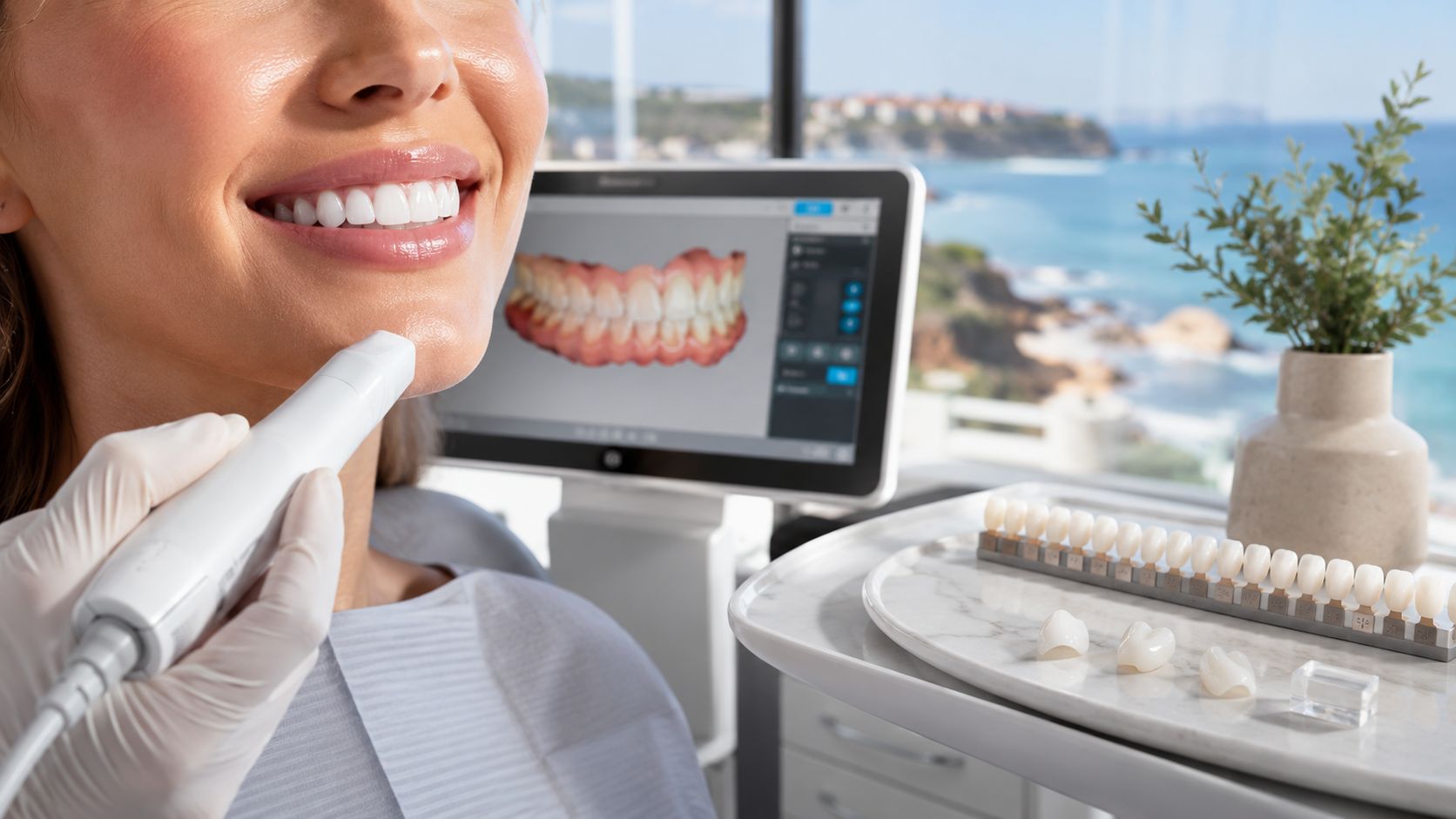
Australian cosmetic dental workflows are increasingly digital-first, using intraoral scanning, CAD/CAM, and 3D printing to replace a lot of the guesswork that used to sit in analogue impressions. The practical benefit is cleaner data at the beginning of treatment, which improves planning for veneers, crowns, and implant restorations. Independent Australian dental commentary says digital radiography and intraoral scanners improve image accuracy, shorten turnaround times, and reduce discomfort, while 3D imaging supports more predictable design and fewer visits in some cases (Smile On).
That doesn't mean every case needs the newest gadget. It means a clinic should be able to explain how its tools improve fit, reduce remakes, or make temporary and final restorations more precise.
Lasers are useful where tissue control matters
For gum contouring and some whitening adjuncts, dental lasers are chosen because they can be more selective than traditional scalpel approaches. Australian dental sources describe minimal bleeding, faster healing, and reduced infection risk with laser-assisted soft-tissue work, along with better postoperative comfort in many cases (Breeze Dental).
That matters around veneers or crowns, where symmetry and gum stability shape the visible result. If the tissue heals unevenly, the smile can look asymmetric even when the restorations are technically sound.
Technology should support judgment, not replace it
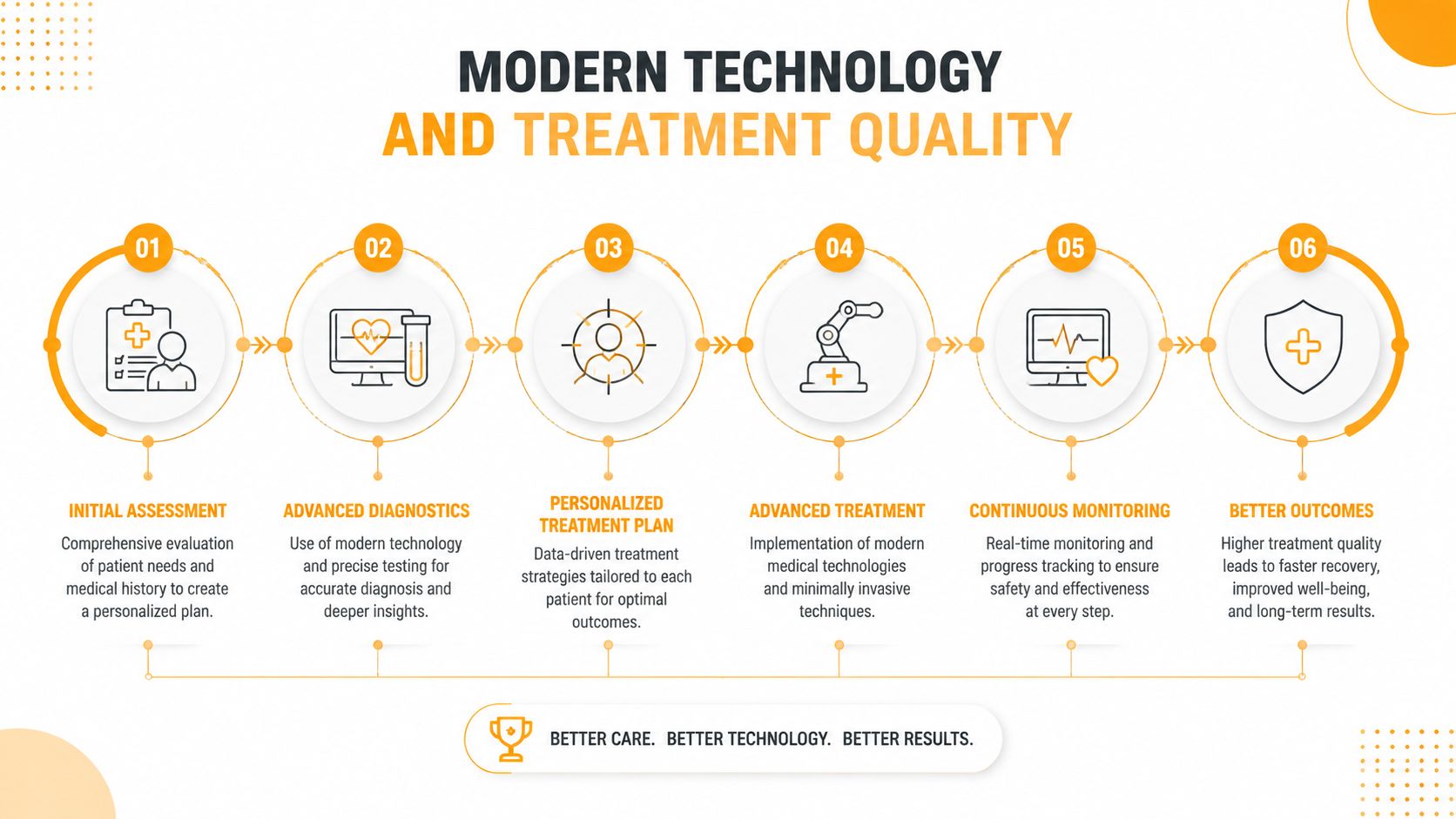
A clinic can have scanners, printers, and lasers, and still miss the important thing, which is case selection. Good technology improves precision, but it doesn't turn a weak plan into a strong one.
For a closer look at how printed restorations fit into modern workflows, read dental 3D printing.
Choosing the Right Cosmetic Dentist
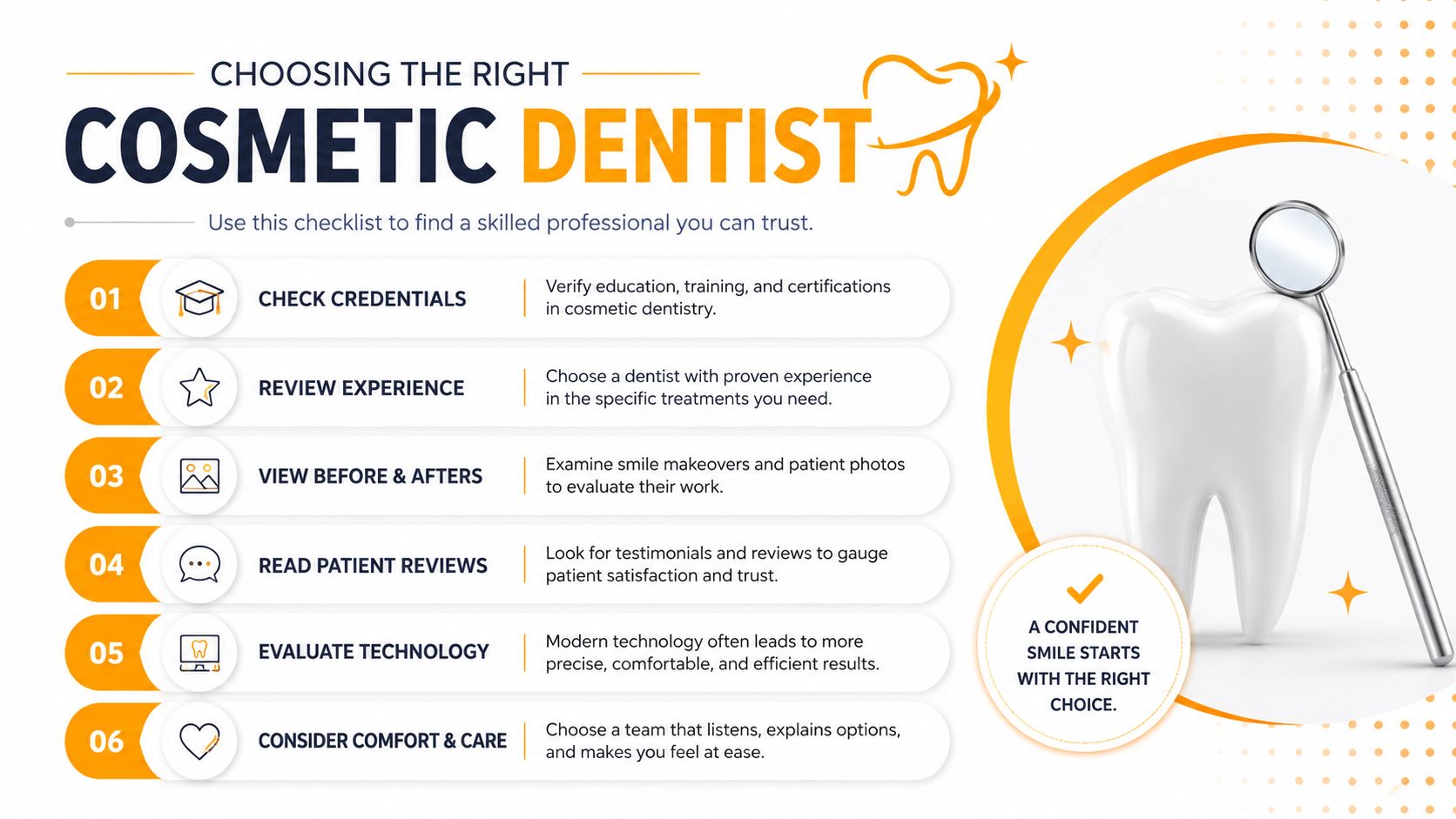
A polished before-and-after gallery doesn't tell you much if the dentist can't explain why the treatment plan makes sense. The true test is whether the clinic can show clinical judgement, not just cosmetic ambition.
Ask about planning before you ask about price
You want a dentist who starts with a full oral health assessment, not a colour chart. Ask how they'll check gum health, bite forces, existing restorations, and any signs of grinding before recommending cosmetic work. If the answer sounds rushed or sales-driven, keep looking.
A good consultation should also cover alternatives. If a dentist only offers one path, particularly the most expensive one, that's a warning sign.
Red flag: if a practice won't discuss what could go wrong, it's not being transparent enough for elective care.
Look for evidence of judgement, not just marketing
Ask to see real cases similar to yours, especially ones involving wear, crowding, missing teeth, or previous dental work. A strong clinician can explain why one case needed composite bonding, why another needed ceramics, and why a third was better left alone for now. That level of explanation matters more than a perfect feed full of white smiles.
You can also learn a lot from how the practice talks about anxious patients, longer appointments, and follow-up care. If you want a more gentle first visit, it helps to review gentle dentist guidance before booking.
If you run a clinic, your own credibility matters too
Patients compare reviews, clarity, and consistency. If your practice struggles to show up clearly online, the education work starts before the chairside consult. For clinics wanting practical visibility advice, grow your practice with Adwave is a useful resource on dental clinic marketing strategy.
When Cosmetic Dentistry Is Not the Answer
Some patients are ready for cosmetic treatment. Others are using cosmetic treatment to avoid a harder conversation about function, disease, or expectations. Those are not the same thing.
A smile upgrade is premature if there's active gum disease, untreated decay, broken restorations, or heavy grinding that will keep damaging the work. In those cases, the cosmetic plan isn't the problem, the timing is.
Australian reporting on cosmetic-procedure screening has also raised the issue of underlying psychological concerns, including body dysmorphic disorder, before elective procedures (ABC News). That applies in dentistry too, because social media can make healthy variation look like a defect. A responsible dentist should notice when the request is driven by distress that a veneer or whitening tray won't fix.
Not every smile concern needs treatment. Some need diagnosis first.
The hardest but most ethical answer a dentist can give is “not yet” or “not this treatment”. That doesn't mean the concern is dismissed. It means the mouth needs a better foundation, or the person needs more time to decide what they want changed.
Your Path to a Confident Smile
Start with a proper dental exam, not a treatment wish list. If there's disease, pain, or instability, deal with that first. If the mouth is healthy, then map the cosmetic goal to the least invasive option that can deliver it well.
That approach protects your budget and your teeth. It also makes the final result easier to maintain, because cosmetic work lasts longer when the function underneath is sound.
For people in the Inner West and beyond, the right clinic should be able to talk plainly about sequencing, costs, maintenance, and alternatives. If you're weighing whitening, veneers, crowns, implants, or a broader smile plan, bring your questions to a consultation and compare the recommendation against the logic of your own oral health.
If you're ready to make sense of your options without pressure, The Smile Spot offers cosmetic, preventive, implant, and restorative care in one place, so treatment can be planned around both appearance and long-term oral health. Book a visit if you want a straight conversation about sequencing, costs, and what's sensible for your smile.