You catch it in the mirror on a busy morning, a tiny chip on a front tooth, a faint gap that's always bothered you, or a patch of discolouration that whitening hasn't touched. For a lot of families and working adults in Sydney's Inner West, that moment isn't really about vanity, it's about wanting your smile to look settled again without jumping straight to a major restoration.

A good first conversation is often more useful than a quick fix. That's where cosmetic tooth bonding comes in, not as a flashy promise, but as a careful, conservative way to judge whether a front tooth can be improved now, whether it needs whitening first, or whether a veneer or crown makes more sense later. If you want to see what patients usually expect before and after treatment, this before-and-after guide gives a useful sense of the range without overselling it.
For practice teams trying to keep treatment communication clear, even the back-end workflow matters, and dental team onboarding solutions can help staff stay consistent when they explain options, consent, and aftercare. I think that consistency matters because cosmetic dentistry works best when the patient understands the trade-offs before anything is placed on the tooth.
By the end of this guide, you'll know what bonding can realistically fix, how long it tends to last, what it costs in Australia, and whether your own tooth is a good candidate.
A Friendly Look at Cosmetic Tooth Bonding
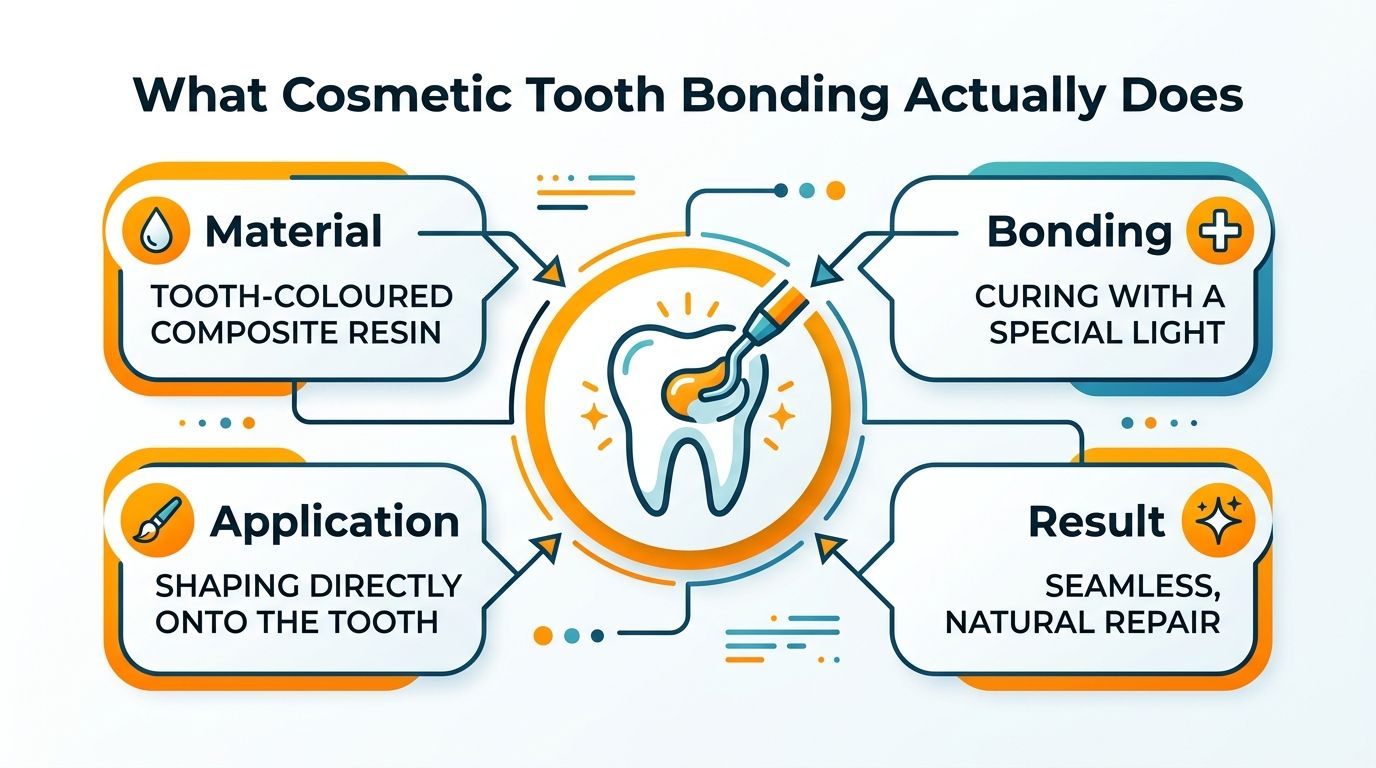
Cosmetic tooth bonding is often the point where a patient asks, “Can this be improved without doing too much?” In practical terms, it rebuilds part of a tooth with tooth-coloured composite resin so the front teeth look more even, less chipped, or better balanced in the smile. It is conservative dentistry, not a full makeover, and that distinction matters when the tooth has more going on than a surface flaw.
A clear way to understand its place in treatment is to look at how dentists and patients use it. Bonding works best as a staged decision tool, because it can show whether a tooth responds well to a small repair, whether whitening should come first, or whether a veneer or crown is the better call later. If you want to see the sort of before-and-after change patients usually expect, this before-and-after guide gives a useful sense of the range without overselling it.
The Australian market context helps explain why adhesive materials have stayed relevant in everyday practice. The dental bonding-agent market was valued at USD 71.2 million in 2023 and is projected to reach USD 104.5 million by 2030 source. That does not tell you everything about chairside demand, but it does show that adhesive restorative materials remain a meaningful part of modern dental care.
How patients usually think about it
Patients do not ask for “composite resin placement”. They ask about a chip, a small gap, or a front tooth that looks too short. Bonding usually sits between whitening and veneers. It can improve the visible shape of a tooth without the commitment of full-coverage work, which is why many patients start here.
A sensible first step is to ask whether the tooth needs rebuilding, brightening, or both.
In a family clinic, that conversation should start with a proper check-up, because a cosmetic repair only makes sense if the tooth is healthy enough to support it. Bonding can be an excellent option, but only when the underlying enamel and bite are stable enough to hold the material in place. If we are giving every part of the treatment process the same message, even the back-end workflow matters, and dental team onboarding solutions can help staff stay consistent when they explain options, consent, and aftercare.
What Cosmetic Tooth Bonding Does
Bonding uses resin like a sculptor uses clay, except the material is matched to the tooth, then hardened with light. The dentist places a composite resin directly on the tooth, shapes it, cures it, and polishes it so it blends with the teeth beside it. Cleveland Clinic describes it as a treatment that can repair chips, close gaps, conceal minor cracks, hide discolouration, and even make teeth look longer source.
The clinical part matters as much as the cosmetic part. In adhesive dentistry, the tooth surface is lightly prepared, then the resin is bonded to enamel through micromechanical retention after acid etching and adhesive application. A technical overview explains that the bond depends on a hybrid layer in dentin and a resin lock into the etched surface, with moisture control being essential for quality source. In plain English, the tooth has to be dry, clean, and ready to accept the material, or the finish won't hold as well.
What it's good for, and what it isn't
Bonding is commonly used for:
- Small chips, especially on front teeth.
- Minor gaps, where orthodontics would be more than you need.
- Surface discolouration, particularly when whitening alone won't blend the tooth.
- Short or uneven teeth, where a small amount of length or contour helps.
- Minor shape corrections, such as smoothing an edge or evening out symmetry.
It suits modest changes, not full reconstruction. A tooth with major bite problems, large structural loss, or widespread wear usually needs a broader plan. It also will not treat the cause of grinding or erosion, and that is where the decision has to be staged properly. If the enamel is still being worn down, cosmetic bonding may only patch the visible edge while the underlying problem keeps working.
That is why I do not treat bonding as a one-size answer. If a front tooth is crowded, twisted, or sitting slightly out of line, the first question is whether the shape can be improved with bonding alone or whether alignment needs attention first. For readers weighing those options, this guide to crooked teeth without braces is a useful companion. Bonding is flexible, but it still works best as a local repair with a clear goal, not a substitute for every other cosmetic treatment.
Inside the Bonding Appointment Step by Step
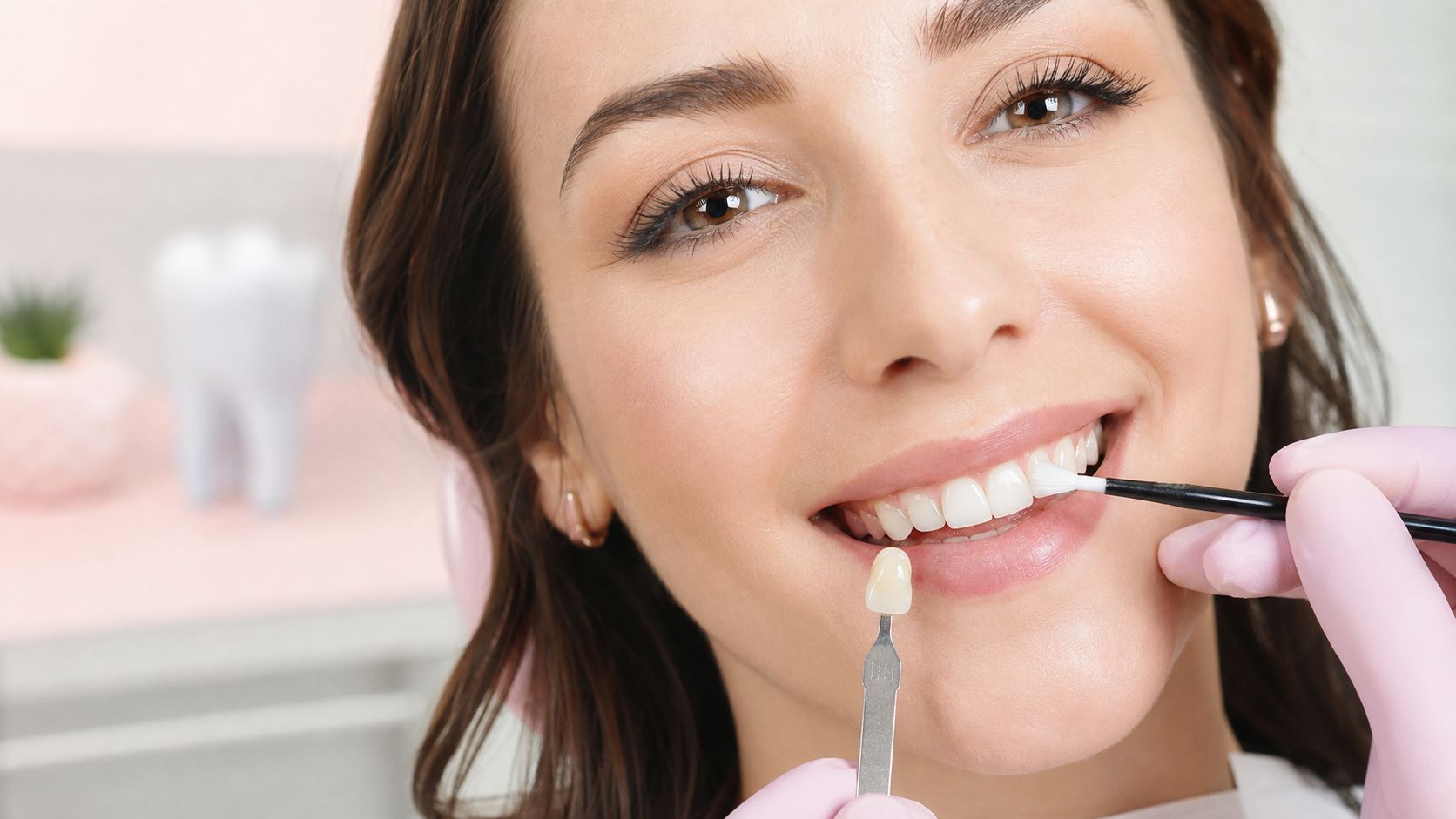
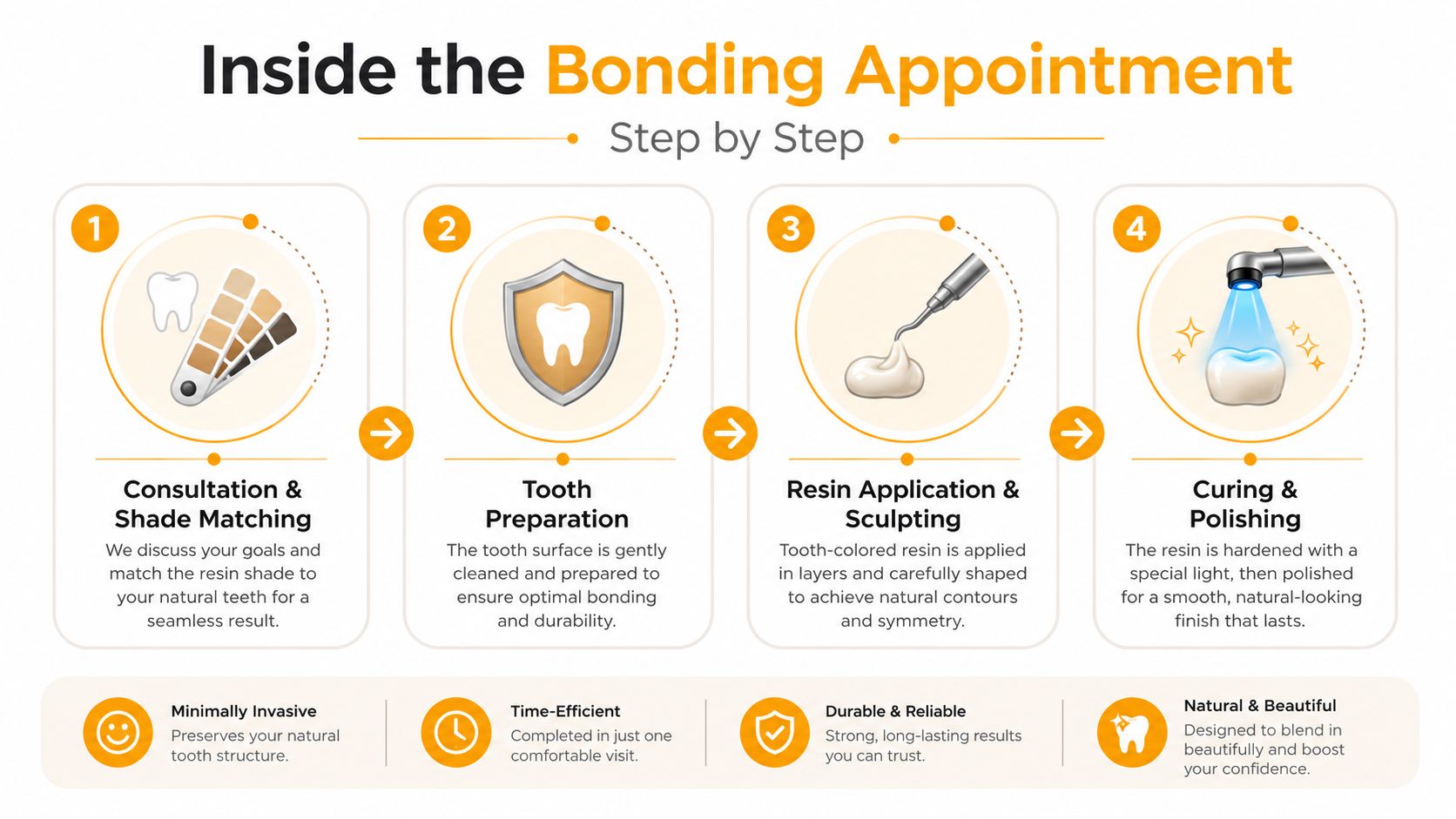
A bonding visit is usually calmer than people expect. For a small cosmetic repair, the appointment often starts with shade matching under the dental lights, because the new resin has to sit naturally against the neighbouring enamel rather than looking like a separate patch. From there, the tooth is lightly prepared and isolated so the surface stays clean while the resin is placed.
The work itself is hands-on. The dentist places the composite in layers, shapes it with instruments, then cures each layer with a special light so it hardens properly. A polishing step comes last, along with a bite check to make sure the tooth does not hit too early when you close.
What you feel in the chair
For front-tooth bonding, anaesthesia is often unnecessary unless the tooth needs more preparation or is already sensitive. A single visit can cover one tooth or a small cluster of front teeth, and the process feels more like careful craftsmanship than a clinical procedure. That is one reason many anxious patients cope well with it.
Small corrections can happen on the spot. If the contour looks too full, the shape is adjusted. If the shade reads slightly off once the tooth is polished, it is refined before you leave. That kind of live correction is part of why chairside composite work still has a place in cosmetic dentistry.
The practical upside is straightforward. You do not need a lab-made restoration for every front-tooth flaw, and in a lot of cases you do not need to wait weeks for a custom item to come back before you can see the result.
It feels more like careful craftsmanship than a clinical procedure.
For patients who like to see what is being discussed in real time, intraoral camera dentistry can make the consultation easier to follow, because you can see the tooth before treatment begins.
Who Makes a Good Candidate and Who Should Wait
The best bonding cases are usually simple on paper and stable in the mouth. Small chips, minor gaps, and healthy enamel tend to respond well because the material has enough clean tooth structure to grip. Stable bites help too, because a bonded edge that isn't taking repeated strain has a better chance of staying intact.
The people who should pause are often the ones who want a fast cosmetic answer to an underlying problem. Heavy grinding, significant erosion from reflux or diet, and teeth that are still changing after recent bleaching all deserve a more deliberate plan. A review of orthodontic composite bonding literature notes that evidence suggests waiting up to three weeks after bleaching for optimal bonding, and avoiding bleaching products for 1–2 weeks before fixed appliance placement source. That timing advice matters because whitening can affect how well resin bonds to the tooth surface.
The hidden issue is usually the cause, not the chip
If a front tooth keeps chipping, the repair is telling you something. It may be bite force. It may be acid wear. It may be a grinding habit that hasn't been managed yet. Bonding can still be part of the plan, but it works far better when the cause is addressed first.
That's why a candidate check should never be reduced to a photo or a cosmetic consultation alone. A tooth with gum recession or exposed margins may need broader assessment before any resin is placed, and this note on gum recession causes is a useful reminder that soft tissue changes often sit behind visible tooth changes.
If the reason for the damage stays active, the bonded edge is doing all the work with none of the support.
For Australian patients, that prevention-first mindset is a good fit with conservative dentistry. Bonding is useful, but it shouldn't be used to paper over an ongoing problem that still needs treatment.
Bonding Compared with Veneers, Crowns and Whitening
Patients usually want four things answered plainly. Which option removes the least tooth. Which lasts longest. Which costs least. Which looks most natural in the front teeth. The answer changes depending on the tooth, but the pattern is fairly consistent.
Bonding is the least invasive of the restorative options here, because it usually adds material rather than requiring major reduction. Whitening changes colour but not shape. Veneers reshape the front surface more permanently, and crowns cover the whole tooth, which makes them more involved. In an Australian market context, bonding is also generally cheaper than veneers, with an estimated cost range of $200–$800 per tooth in the broader market, according to Professional teeth whitening.
Cosmetic treatment options at a glance
| Option | Best For | Typical Longevity | Tooth Removal | Indicative Per-Tooth Cost |
|---|---|---|---|---|
| Bonding | Chips, small gaps, minor shape changes | Medium term, maintenance needed | Minimal | $200–$800 |
| Veneers | Larger cosmetic reshaping, more uniform front-tooth changes | Longer term than bonding | Some enamel removal | Higher than bonding |
| Crowns | Teeth with major structure loss or functional need | Long term with good care | Significant | Higher than bonding |
| Whitening | Staining and colour improvement | Depends on habits and upkeep | None | Varies by system |
Bonding often suits a tooth that is mostly sound and has a local problem, such as a chip, a worn edge, or a small space that needs softening. Veneers make more sense when the goal is a wider, more even change across several front teeth, and the patient accepts some enamel removal to get there. Crowns sit in a different category again, because they are usually chosen when the tooth needs protection as well as appearance.
Natural result versus permanence
Bonding usually gives the quickest cosmetic result with the least tooth preparation. Veneers can offer a more uniform finish and tend to hold that look better over time. Whitening is the simplest answer when colour is the main concern, especially if the teeth are already well shaped.
Bonding and whitening often work together. Professional teeth whitening is worth considering before bonding in many cases, because the tooth shade can be set first and the resin matched after that. That sequence matters if you want the repaired edge to disappear into the tooth rather than sit on top of a darker background.
Bonding is rarely the final word on its own. It is often the first sensible step, or the middle step, when a patient wants to keep as much natural tooth as possible while deciding whether a bigger restoration is really needed.
How Long Cosmetic Tooth Bonding Lasts
The question of longevity often decides whether someone sees cosmetic tooth bonding as a small repair or a worthwhile plan. In practice, bonded composite can hold up well for years, but the result depends heavily on the tooth, the bite, and what is causing the damage in the first place. A bonded front tooth that only needed a small cosmetic correction will usually behave differently from a tooth that keeps taking stress from grinding, erosion, or a bad bite.
A long-term clinical study found that 89.2% of composite restorations were still bonded after 2 years of follow-up source. Other clinical summaries place composite bonding restorations at around 7 to 10 years of acceptable service when they are maintained properly. Those figures are useful, but they are not a personal guarantee. They do show that bonding is a proper treatment choice, not a disposable patch.
What shifts the timeline
The key variables are straightforward. Bite force matters. Grinding matters. Staining habits matter too, especially frequent coffee, red wine, or smoking, because the front teeth show wear and discolouration sooner. Tooth position matters as well, since a bonded edge on a heavily used front tooth can age differently from a small repair that sits out of the main load path.
In clinic, I look at bonding as a staged decision tool as much as a repair. If the tooth is stable, the repair is small, and the patient's habits are manageable, bonding can be a sensible short- to medium-term aesthetic fix, or a longer-term conservative option. If the tooth keeps being overloaded, the resin may need repeated repair, and that can become a poor use of time and money compared with a more durable approach.
That is why the underlying cause needs attention early. If a tooth edge broke because of grinding, the repair may look fine at first and then keep failing. If colour is the issue, whitening may need to happen before bonding so the resin is matched to the final shade rather than the old one. If erosion is still active, the cause has to be managed or the bond is being asked to do too much.
When replacement starts to make sense
Replacement is not a sign that treatment failed. It is part of normal maintenance. If a bonded tooth keeps staining, chipping, or losing its edge, it is sensible to revisit whether the tooth now needs a different strategy. In some cases that means a veneer. In others, it means dealing with the bite first. Sometimes it means redoing the resin after the cause has been better controlled.
A bonded edge that is constantly being pushed by grinding or acid exposure will not behave like a calm, protected repair.
Lifespan is a planning conversation, not a promise.
That is the honest way to think about cosmetic bonding. It can look excellent and last well, but it lasts best when the tooth, the bite, and the patient's daily habits are working in the same direction.
Aftercare Habits That Make Bonding Last
Bonding usually doesn't ask for complicated aftercare, but it does ask for common sense. Don't bite hard foods on the bonded edge. Be careful with staining foods and drinks right after treatment, especially in the first 48 hours when the material is still settling into your routine. Use a non-abrasive toothpaste so you're not slowly dulling the polished surface.
If grinding is part of your night-time pattern, a custom night guard can protect both the bonded edge and the teeth behind it. That's especially important where the original chip or wear pattern suggests ongoing bite stress rather than a one-off accident.
Keep it in the maintenance cycle
Most bonded teeth benefit from a quick polish and bite check at the regular six-monthly preventive visit. That visit is where small rough spots can be smoothed before they collect stains or start to look tired. It's also the right time to ask whether reflux, erosion, or whitening timing needs adjusting.
A lot of bonding success comes down to this simple balance.
Practical rule: material quality matters, but bite forces and daily habits matter just as much.
If the habit or the cause is ignored, the repair will usually tell you sooner rather than later. If it's managed well, bonding can stay looking good far longer than many people expect.
Booking and Planning Cosmetic Bonding in Dulwich Hill
The most useful first appointment usually starts with a proper examination and clean, not a standalone cosmetic promise. At The Smile Spot, the entry point for that kind of visit is the $240 complete care package, which includes exam, X-rays, scale and fluoride, with a reduced rate for children. That gives the dentist a real view of the tooth, the bite, and the surrounding gums before any cosmetic decision is made.
What practical planning looks like
The clinic uses Biolase laser dentistry where conservative enamel contouring or minimally invasive treatment is suitable, and sedation is available for anxious or pain-sensitive patients. The practice also offers late evening and Saturday hours, online booking, emergency appointments, and acceptance of most private health funds. For parents, that family-friendly setup makes it easier to fit in a check-up for both adults and children without turning it into a whole-day exercise.
If you're the sort of person who misses calls while you're already in the middle of something, even practice workflow matters. A resource like stop missing calls during hygiene is useful because good cosmetic care starts with getting the first conversation booked.
The simplest way to think about bonding is this. Candidacy comes first, then longevity, then aftercare. Once those three are clear, the first appointment stops feeling like a gamble and starts feeling like a plan.
You can also compare related options on the clinic site, including general dentistry, cosmetic dentistry, veneers, whitening, and dental check-ups in Dulwich Hill, because front-tooth decisions are usually easier when you can see the bigger picture.
If you're ready to work out whether a chip, gap, stain, or uneven front tooth is a bonding case, book a visit with The Smile Spot. The team can assess the tooth properly, talk through whitening, veneers, or conservative bonding, and help you choose a plan that fits your smile, bite, and budget.