In Sydney, a standard professional teeth clean usually ranges from $100 to $300, while a more intensive deep clean for gum disease can exceed $1,600 for a full mouth. If you're comparing options and want something straightforward, The Smile Spot's $240 all-inclusive new patient package gives you a transparent starting point for a full check-up, clean, and X-rays in Sydney.
If you're reading this with one hand on your phone and the other touching a tooth that “doesn't feel quite right”, you're not alone. A lot of people start searching for teeth cleaning in Sydney when they've noticed bleeding gums, rough build-up behind the lower front teeth, coffee staining, or that it's been too long since their last visit.
The part that often feels unclear isn't just the cleaning itself. It's the whole experience. What happens at the appointment? Will it hurt? Why do fees vary so much? And after stories about poor infection control in some clinics, how do you know a practice is taking hygiene seriously?
I'll walk you through it the way I would explain it to a new patient in the chair. Simple steps. Clear language. No mystery.
Why a Professional Clean Is More Than a Polish
A lot of people think of a scale and clean as a cosmetic appointment. They want smoother teeth, fresher breath, and less staining. Those are nice benefits, but they're not the main reason dentists recommend regular cleans.
The reason is that your toothbrush can only do part of the job.
Plaque is soft. Tartar is different
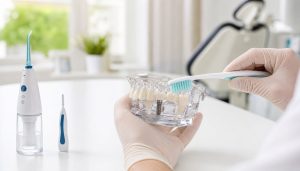
Plaque is the soft film that builds up on teeth during the day. If you brush and floss well, you can remove much of it at home. But if plaque sits undisturbed, it hardens into tartar, also called calculus.
Tartar is different from plaque in one key way. Once it hardens, brushing won't shift it. You can think of it as a concrete-like crust stuck to the tooth surface, especially around the gumline and between teeth. That's why dentists and hygienists use instruments such as ultrasonic scalers and hand tools to remove it safely.
Practical rule: If your teeth feel rough near the gums or you keep seeing blood when you brush, don't assume you just need a “better toothbrush”. Hardened build-up may need professional removal.
This is about gum health, not only cavities
In Australia, oral disease is common. Tooth decay affects a large share of the population, but gum disease deserves just as much attention. The prevalence of moderate or severe periodontitis in Australian adults increased by nearly 31% between 2004–06 and 2017–18, and 30.1% of adults now have periodontitis, according to Australian oral health statistics.
That matters because gum disease often starts subtly. Early gingivitis can mean bleeding, puffiness, or a bad taste in the mouth. More advanced periodontitis affects the structures supporting the teeth. Patients are often surprised by how little pain there can be in the early stages.
What a clean actually helps prevent
A professional clean helps by removing what home care can miss, particularly around the gumline and in hard-to-reach areas.
- Build-up near the gums: Tartar often triggers inflammation.
- Staining and trapped debris: A clean can lift surface deposits that make teeth feel furry or dull.
- Early warning signs: During a clean appointment, a dentist can spot changes in the gums, teeth, or existing dental work.
Here's the key point. A clean isn't the dental version of a car wash. It's closer to a preventive health check. You're not only polishing what's visible. You're reducing the conditions that let decay and gum disease progress.
When considering teeth cleaning Sydney options, that's the shift in mindset that helps most. You're not booking a cosmetic extra. You're maintaining the health of the teeth and gums you want to keep for life.
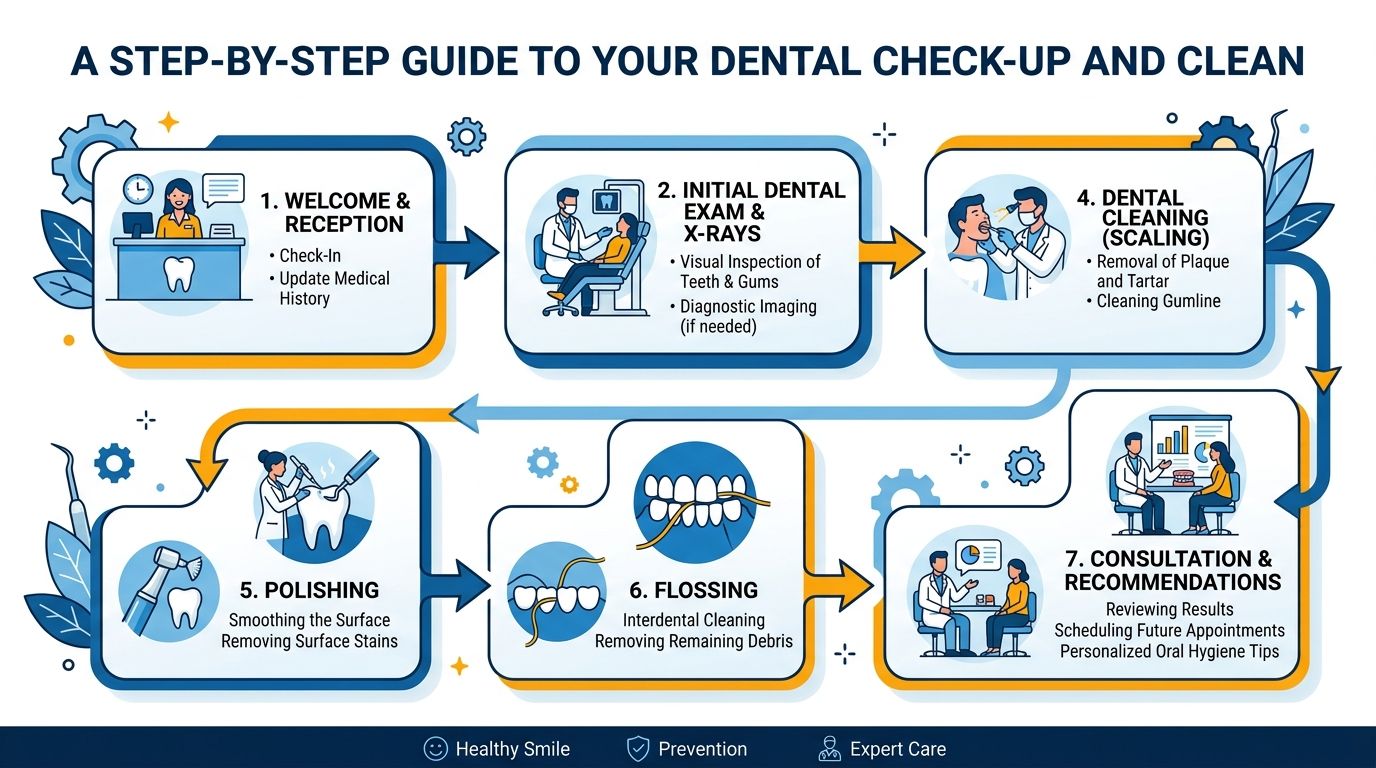
A Step-by-Step Guide to Your Dental Check-Up and Clean
Most new patients are less worried about the idea of a clean than the unknowns around it. They want to know what they'll hear, what they'll feel, and whether there will be any surprises. A good appointment should feel structured and calm.
What happens when you arrive
The appointment usually starts with a conversation, not instruments. We ask what's bothering you, whether you've noticed sensitivity, bleeding, bad breath, food trapping, jaw tension, or anything else you'd like checked.
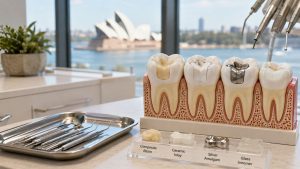
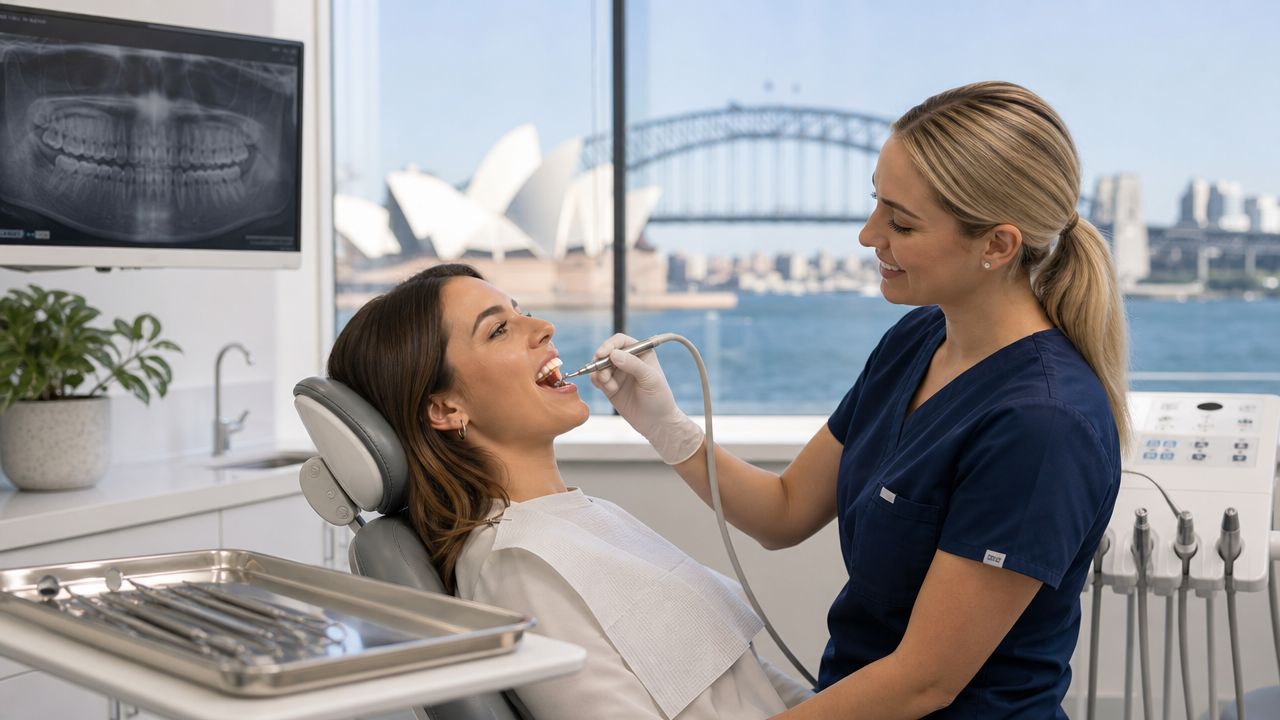
Then comes a full oral examination. That includes looking at the teeth, gums, existing fillings or crowns, and the soft tissues inside the mouth. If needed, digital X-rays help us check areas that aren't visible on the surface, such as the spaces between teeth or changes below the gumline.
If you'd like a fuller overview of what's involved in a routine visit, our guide to a dental check-up and clean appointment breaks down the same process in more detail.
What the cleaning itself feels like
The cleaning stage is where the rough deposits are removed. In many appointments, that includes an ultrasonic scaler, which uses vibration and water to loosen harder build-up, followed by hand instruments for detailed areas.
Most patients notice:
- A buzzing or humming sound from the ultrasonic tip.
- Cool water spray that keeps the area rinsed.
- Light pressure or tickling around the gumline.
- Short bursts of scraping in spots where tartar is stubborn.
If your gums are inflamed, some areas can feel tender. That doesn't always mean anything is wrong with the cleaning. It often reflects the condition of the gums before treatment started.
If you're nervous, say so early. Small adjustments such as pauses, a hand signal, gentler pacing, or explaining each step before it happens can make a big difference.
Polishing, fluoride, and the final review
After scale removal, the teeth may be polished to smooth away surface staining. In some appointments, fluoride is also applied to help protect enamel.
Before you leave, the dentist reviews what was found and what happens next. For some people, it's maintain and come back for routine care. For others, there may be gum concerns, an old filling to monitor, or a particular spot to watch.
How to check a clinic's hygiene standards
Sydney patients are more aware of infection control than they used to be, and that's reasonable. You should feel comfortable asking how instruments are cleaned, packaged, and stored before treatment.
A sensible checklist includes:
- Ask about instrument sterilisation: Reusable tools should go through a proper sterilisation workflow, not just a rinse or wipe-down.
- Look for sealed instrument pouches: These are often opened in front of you at the chair.
- Notice surface barriers and cleaning habits: Chairs, handles, and light controls should be visibly managed between patients.
- Ask questions without hesitation: A clinic that takes hygiene seriously won't be defensive about explaining its process.
That peace of mind matters. A clean should leave you feeling fresher, not wondering whether the clinic was careful.
Navigating the Costs of Teeth Cleaning in Sydney
Cost is usually the first practical question, and it's a fair one. Patients don't just want cleaner teeth. They want to know what they're paying for and whether they're comparing like with like.
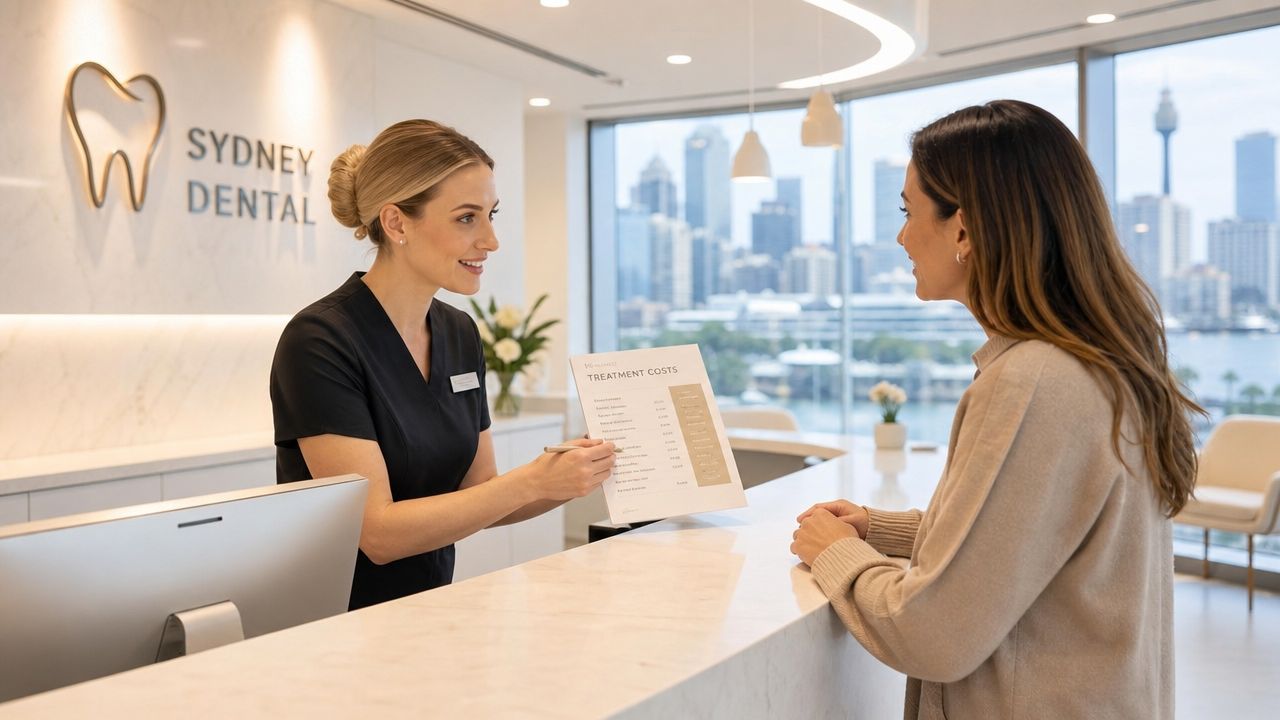
In the Sydney metropolitan region, the average cost for a standard professional teeth cleaning ranges from $100 to $300, while deep cleaning for gum disease can exceed $1,600 for a full mouth, according to Sydney cleaning cost guidance. A separate Sydney pricing overview places a routine scale and clean at $250 to $300 in many cases, reflecting the higher overheads common in metropolitan practices.
Why one clean costs less than another
The phrase “teeth cleaning” covers more than one type of treatment. That's where confusion starts.
| Type of visit | What it usually involves | Typical fee pattern |
|---|---|---|
| Routine preventive clean | Removal of everyday build-up, polish, and review as needed | Usually at the lower end of Sydney ranges |
| Comprehensive new patient visit | Exam, X-rays if needed, clean, and treatment planning | Often higher than a clean-only visit because it includes more |
| Deep clean for gum disease | Scaling and root planing below the gumline, often over multiple areas | Higher cost because it is more involved |
A very low advertised fee may only apply to a simple clean with limited inclusions. If you need an examination, X-rays, or treatment for active gum disease, the total can look very different.
That's why transparent packaging matters. The Smile Spot offers a $240 complete new patient package that includes an exam, X-rays, scale, and fluoride. For many patients, that's easier to understand than seeing a low entry price and then trying to guess what has been left out.
Health funds, payment planning, and fewer surprises
If you have extras cover, the amount you can claim depends on your policy, annual limits, and whether preventive dental is included. The simplest approach is to ask the clinic for item clarity before the visit so you know whether you're booking a clean-only appointment or a broader assessment.
If you're trying to spread costs over time, this guide to dentists with payment plans near me can help you understand what to ask before committing to treatment.
Here's a short explainer that many patients find useful before booking:
What parents should know about the CDBS
For Inner West families, there's one detail that often gets missed. Accessing the Child Dental Benefits Schedule for a child's scale and polish requires the parent or guardian to sign the Bulk Billing Patient Consent Form to obtain the $1,000 two-year benefit, as outlined in NSW oral health patient information.
That sounds administrative, but it has practical consequences. Families often assume a child is covered automatically, then discover there's paperwork that needs to be completed first. If you're booking for your child, ask about this before the appointment so there's no confusion at reception.
Specialised Dental Care for Every Smile
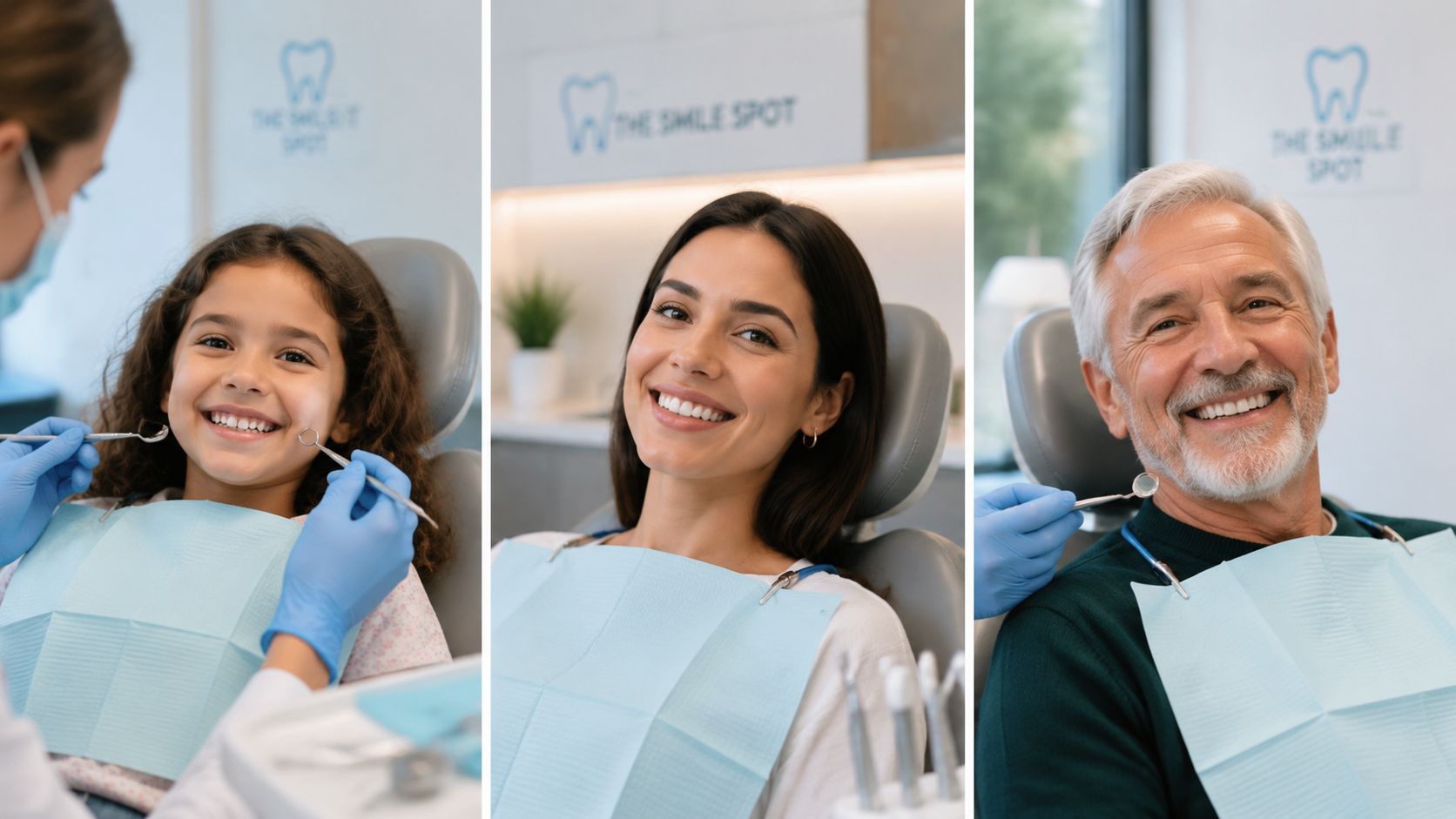
No two cleaning appointments feel the same because no two patients arrive with the same needs. One child may be excited and chatty. Another may hide behind a parent's shoulder. One adult wants every detail explained. Another only relaxes once they know they can pause treatment at any time.
When it's a child's first clean
A child's first cleaning visit works best when it feels predictable. We keep the language simple, show the mirror and suction, and explain what each sound means before bringing anything near the teeth. That reduces the “strange machine” factor.
For parents in the Inner West, one practical detail matters. Accessing the Child Dental Benefits Schedule for a scale and polish requires a parent or guardian to sign the Bulk Billing Patient Consent Form so the $1,000 two-year benefit can be used. It's one of those small pieces of paperwork that's easy to miss until the day of the appointment.
When an adult feels embarrassed or anxious
Many anxious patients say the same thing when they sit down. “I know I should have come sooner.” There's no benefit in making someone feel worse about that. The better approach is to meet them where they are, work gently, and explain what can be done today without turning the visit into an ordeal.
That may mean slower pacing, frequent breaks, a clear stop signal, or discussing sedation options when appropriate. A calm clean is often the appointment that helps a nervous patient return for regular care.
You don't need to be “good at the dentist” to get your oral health back on track. You just need a plan that feels manageable.
When treatment needs a lighter touch
Some patients need more than a routine clean. Inflamed gums, difficult access, or sensitivity can call for a different approach. In selected cases, laser technology may be part of periodontal care because it can support a more minimally invasive experience with a different healing profile than conventional techniques.
If that's something you're curious about, our page on laser periodontal therapy explains where tools such as Biolase laser dentistry may fit into gum treatment.
This matters for teeth cleaning Sydney patients because the right clinic won't force every smile into the same template. Children, anxious adults, older patients with complex dental history, and people with active gum issues all need slightly different care. Good dentistry recognises that and adapts.
Aftercare Tips to Keep Your Smile Bright
A professional clean gives you a fresh start. What you do afterwards helps that feeling last.
Only 50% of Australian adults brush the recommended twice daily, and 73% brush for less than the recommended two minutes, according to Australian dental hygiene statistics. That gap between ideal home care and real life is one reason cleanings matter so much.
The habits that make the biggest difference
You don't need an elaborate routine. You need one you'll keep.
- Brush properly: Use a soft brush, angle it toward the gumline, and slow down. Two careful minutes is different from a rushed swipe around the front teeth.
- Clean between teeth daily: Floss or interdental brushes help remove plaque where a toothbrush can't reach.
- Watch the snacks and sips: Frequent sugary or acidic drinks keep feeding the conditions that lead to trouble.
- Notice changes early: Bleeding, tenderness, or a bad taste in the mouth shouldn't be ignored.
If you want a practical home-care refresher, our guide on how to prevent tooth decay is a useful next read.
How often should you book a clean
For many people, a six-month interval is a sensible routine. Some need more frequent visits, especially if they build tartar quickly, have gum inflammation, wear braces, or find home cleaning difficult around crowded teeth.
Smooth teeth after a clean don't stay smooth by accident. Daily habits protect the result. Regular reviews protect the long term.
The best schedule is personal. A dentist should base it on what your gums, teeth, and habits are doing in real life, not on a one-size-fits-all script.
Book Your Gentle Teeth Cleaning in the Inner West
If you live in Dulwich Hill, Marrickville, Ashfield, Summer Hill, Lewisham, Petersham, Earlwood, or nearby, booking a clean shouldn't feel complicated. You want a clinic that explains things clearly, checks thoroughly, keeps hygiene standards visible, and makes time slots workable for normal life.
A practical starting point is a complete visit that doesn't leave you guessing about what's included. That's why many new patients look for a package that combines the check-up, X-rays, and cleaning rather than trying to book each piece separately. Evening and Saturday availability also matters if you're fitting dental care around work, school runs, or commuting.
If online booking and reminders help you stay organised, it's worth seeing how modern systems are improving the patient side of scheduling. This overview of the Hyperleap AI scheduling platform gives a helpful look at how dental appointment automation can reduce the back-and-forth that often delays care.
For anyone still hesitating because of nerves, this is often the most important point. A gentle dental visit usually starts before the instruments come out. It starts with a receptionist who doesn't rush you, a dentist who listens, and a plan that matches your comfort level.
If that's the kind of experience you're looking for, our article on finding a gentle dentist near me may help you decide what to look for before you book.
If you're ready to organise your next check-up and clean, The Smile Spot in Dulwich Hill offers a straightforward way to get started with a thorough new patient visit, gentle care for all ages, and convenient booking for Inner West families and busy professionals.